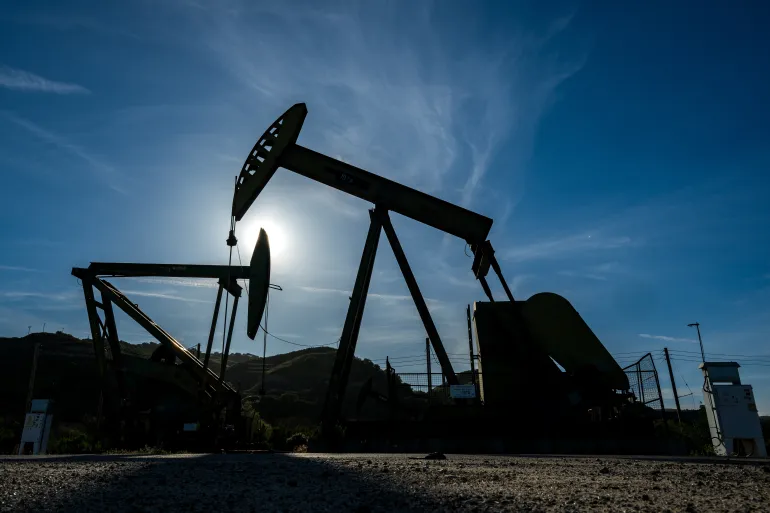
The US Iran peace talks took an unexpected turn this week, sending shockwaves through global markets just as investors were beginning to feel cautiously optimistic about a possible diplomatic resolution. Tuesday opened with oil prices on the rise after the United States military launched what it described as defensive strikes in southern Iran. The operation arrived at a particularly sensitive moment, coming on the heels of high-level negotiations meant to bring the three-month conflict to a close.
Diplomatic Hopes Meet Military Reality
While American officials framed the strikes as protective measures, the timing could not have been more awkward. Iran’s chief negotiator and its foreign minister were in Doha on Monday meeting with Qatar’s prime minister to explore a potential agreement with Washington that could finally end the war. The contrast between active military operations and ongoing peace discussions has left analysts questioning how seriously both sides view the diplomatic track.
Officials in both Washington and Tehran have downplayed expectations of a swift breakthrough, suggesting that any meaningful agreement will likely take longer than markets had hoped. As a result, optimism has cooled, traders have grown more cautious, and the US dollar has reclaimed some of its traditional appeal as a safe haven asset.
The Strait of Hormuz Holds Center Stage
One of the biggest unresolved questions is the future of the Strait of Hormuz, a critical chokepoint for global oil shipments. Investors are watching closely for any indication that the waterway might reopen, since its status has direct consequences for energy prices worldwide.
Japan’s Nikkei newspaper reported that American and Iranian negotiators are reportedly considering a framework under which the strait would reopen roughly 30 days after a peace agreement is finalized. The specifics, however, remain unclear, and until something concrete materializes, energy markets are expected to stay volatile.
Rising Energy Costs Squeeze Policymakers
Higher oil prices are putting central bankers in a difficult position. Elevated energy costs feed into inflation, which complicates the rate decisions that policymakers across the world are trying to make. Businesses are absorbing higher input costs, while everyday consumers are feeling the pinch at the gas pump and beyond.
This pressure was on full display in Sri Lanka, where the central bank surprised markets with an aggressive 100 basis point hike to its benchmark policy rate. The move was aimed at containing inflation and protecting the rupee, which has come under significant strain from the broader Gulf crisis.
Central Banks Worldwide Recalibrate
The ripple effects of the conflict are reshaping monetary policy decisions far beyond the Middle East. Bank of Japan Deputy Governor Ryozo Himino acknowledged that developments in the region will play a role in determining the timing of the central bank’s next rate hike. Japan, like many economies, is closely tracking how the war influences global commodity flows and inflation expectations.
In the United States, market sentiment has shifted dramatically since the start of the year. Investors had originally priced in two interest rate cuts from the Federal Reserve for 2026, but those expectations have flipped. Now, the consensus is leaning toward a 25 basis point rate hike by December. Across the Atlantic, both the European Central Bank and the Bank of England are also expected to tighten policy in response to persistent inflationary pressures.
Consumer Confidence Under the Microscope
Later on Tuesday, all eyes will turn to the Conference Board’s US Consumer Confidence Index, which serves as a key barometer of household sentiment. Forecasts suggest the reading will dip slightly, falling by about eight-tenths of a point to 92 in May.
The expected decline reflects mounting consumer anxiety, particularly around fuel costs. Gasoline prices have climbed sharply during the Iran war, and that strain is showing up in how Americans feel about their financial outlook. Concerns over household budgets, job stability, and the broader economy are converging at a time when geopolitical risks are amplifying everyday uncertainty.
Markets Walk a Tightrope
Global stock markets reflected this complex landscape on Tuesday, trading in mixed territory as investors weighed the dueling forces of conflict and diplomacy. The combination of military escalation, fragile negotiations, and shifting central bank policies has created an environment where any single headline can move prices significantly.
For now, traders are stuck balancing hope against caution. A successful resolution to the US Iran peace talks could unleash a wave of relief across equity markets, bring oil prices down, and ease pressure on central banks worldwide. On the other hand, further escalation could deepen inflation, prolong economic uncertainty, and force policymakers into even tougher decisions.
The Road Ahead
As negotiations continue in Doha and other capitals, the path to peace remains unpredictable. The reopening of the Strait of Hormuz, the trajectory of oil prices, and the pace of central bank tightening will dominate market conversations in the days ahead. What is clear, however, is that the world economy is deeply intertwined with the outcome of these talks, and every development carries weight far beyond the Middle East.
Whether diplomacy ultimately prevails or military pressure escalates, investors, policymakers, and consumers alike are bracing for a turbulent stretch with no easy answers in sight.
Author