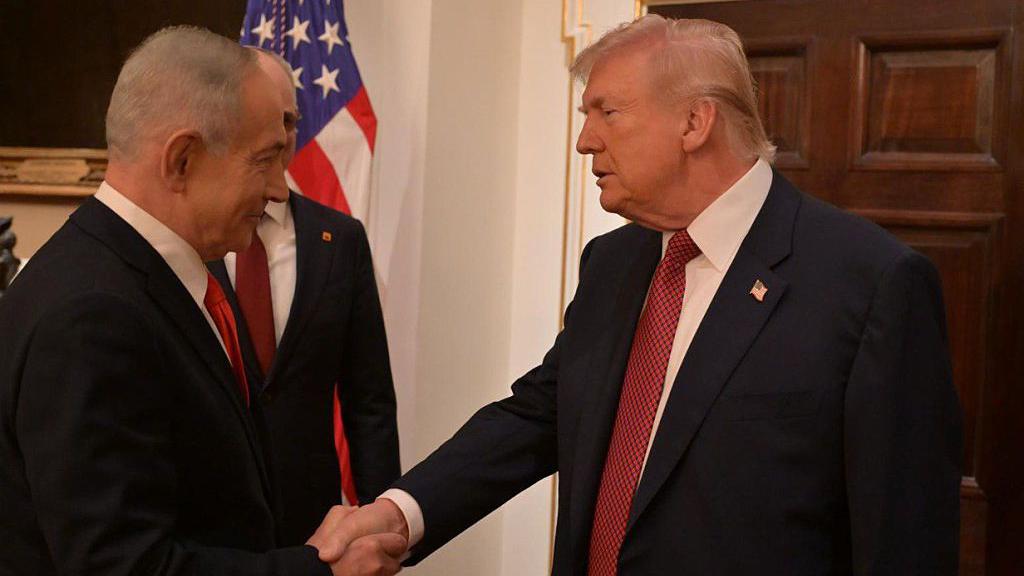
The Trump Netanyahu White House meeting scheduled for Tuesday arrives at an awkward moment for both men, though the discomfort is considerably sharper on the Israeli side. It will be their first face-to-face encounter since the war with Iran began at the end of February, and it follows months in which their public rapport has frayed in ways neither has fully concealed.
A White House official said the agenda covers three areas: the ongoing conflict with Iran, the framework agreement aimed at peace in Lebanon, and efforts to widen the Abraham Accords. Trump is also scheduled to meet Ukrainian President Volodymyr Zelenskyy the same day to discuss the war with Russia.
A Prime Minister Under Pressure at Home
Benjamin Netanyahu arrives in Washington with weaker footing than at almost any point in his long career.
Israeli support for the Iran war, a campaign he advocated for years and ultimately launched alongside the United States, has slipped substantially. American sympathy for Israel’s military operation in Gaza has fallen sharply as well, a shift documented in recent polling. He leads the most right-wing coalition in the country’s history, and he faces voters in October.
Under those conditions, a warm reception in the Oval Office is not merely diplomatic courtesy. It is a campaign asset. Whether he gets one is less certain than it once was.
The Friendship Has Visible Cracks
Netanyahu has described Trump repeatedly as the greatest friend Israel has ever had in the White House. Trump’s recent comments suggest a more complicated relationship.
Asked aboard Air Force One on Monday about Netanyahu’s criticism of the decision to sell F-35 jets to Turkey, the president responded that nobody dictates to him what the United States should or should not sell. Pressed on whether the two governments are aligned on Iran, he allowed that there is a small gap between them, though he characterized their positions as fairly close.
The bluntest episode came earlier. Axios reported last month that Trump had used harsh profanity about Netanyahu during a heated phone call, and Trump confirmed the account in a subsequent interview, explaining that he had grown irritated by what he saw as constant friction with Lebanon.
Netanyahu’s public framing has been considerably gentler. He described the disagreements as tactical, saying the two always find a way to resolve them and do so as close friends.
Trump has notably declined to endorse Netanyahu’s reelection. Asked about it earlier this month, he praised the prime minister’s wartime leadership while saying he does not follow Israeli politics closely, adding only that he would expect Netanyahu to be popular given his performance.
A War With No Clear Endpoint
The Iran conflict shows no sign of resolution. This month alone, American forces conducted strikes over a stretch of nearly two weeks, while Iranian forces targeted ships and U.S. positions across the region.
The costs are mounting and visible. Four American soldiers were killed in recent days, bringing the total number of U.S. troops killed since the war began to 18. Lawmakers have increased their scrutiny of how the administration is managing the campaign.
Supply questions have compounded the political ones. Reporting has indicated that American weapons stockpiles are being drawn down and that military commanders have allowed certain Iranian missiles and drones to penetrate defenses rather than expend interceptors. The Defense Department has asked Congress for an additional $67 billion to expand production and accelerate deliveries.
Mike Waltz, the U.S. ambassador to the United Nations, pushed back on the concern in a television interview, insisting the military has what it requires to prosecute the campaign effectively. Asked whether Trump had ruled out escalation, Waltz said the president was giving diplomatic talks room to develop while keeping every option available.
Netanyahu, speaking on Fox News on Sunday, said intelligence cooperation between the two countries is close enough that he does not expect to bring new information to the meeting. His purpose, he suggested, is to hear what Trump has in mind, acknowledging that many of the key decisions rest with the American president. He also issued a warning, saying that any Iranian attack on Israel, whether direct or through proxies and whether by ballistic missiles or drones, would be met with an extremely forceful response.
Saudi Arabia and the Accords
One area of apparent agreement concerns Riyadh. Trump said last week that Saudi Arabia would need to normalize relations with Israel through the Abraham Accords before he would approve a civil nuclear agreement with the kingdom.
Netanyahu endorsed that linkage without hesitation, calling the condition entirely correct. Expanding the accords remains one of the few files where the two leaders’ interests line up cleanly, and it is likely to receive attention in Tuesday’s discussion.
A Memorial and a Legal Shadow
Netanyahu will also attend the memorial service for Sen. Lindsey Graham, a consistent supporter of Israel and one of the Senate’s most hawkish voices on Iran. Speaking to his Cabinet on Sunday, Netanyahu described Graham as among Israel’s greatest friends since the state’s founding and said attending was a matter of proper respect.
Hanging over the trip is a legal question that has followed the prime minister since 2024, when the International Criminal Court issued arrest warrants for him and others over the conduct of the Gaza campaign. Prosecutors alleged there was reason to believe Netanyahu and former Defense Minister Yoav Gallant used starvation as a method of warfare by restricting humanitarian aid and deliberately targeted civilians. Israeli officials reject the accusations.
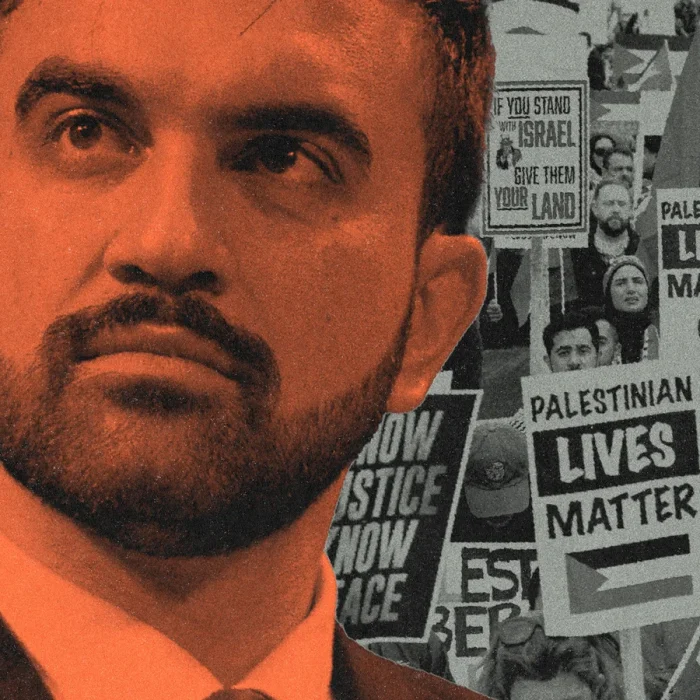
The issue surfaced again days ago when New York City Mayor Zohran Mamdani released a video saying the city lacks legal authority to detain Netanyahu should he attend the United Nations General Assembly in September. In the same message, Mamdani urged the federal government to join the ICC and carry out the warrant.
The United States is not a party to the court. Trump addressed the matter directly on social media, stating that Netanyahu would not be arrested in any form while on American soil. Netanyahu, for his part, said he intends to travel to New York for the General Assembly as planned.
Author
-
Lucienne Albrecht is Luxe Chronicle’s wealth and lifestyle editor, celebrated for her elegant perspective on finance, legacy, and global luxury culture. With a flair for blending sophistication with insight, she brings a distinctly feminine voice to the world of high society and wealth.