Four Guns, Three Dead, One Arrest: Forensic Findings Scramble the Seattle Food Festival Shooting Case
The Seattle food festival shooting that turned the closing hours of a beloved summer event into a crime scene has taken an unexpected turn. Court documents filed Wednesday reveal that the rounds that killed two bystanders do not appear to have come from the weapon the 15-year-old arrested at the scene was seen firing.
That single forensic detail reshapes the entire case. Police still say the teenager fired repeatedly into a crowd. But at least for now, the fatal shots trace back to someone else — someone investigators have not yet identified.
What the Charges Actually Say
The King County Prosecuting Attorney’s Office filed two counts: first-degree assault with a firearm enhancement, and unlawful possession of a handgun by a minor. Conspicuously absent are any homicide charges.
Prosecutors say the assault count stems from the act of firing multiple rounds into a packed crowd, regardless of whether those rounds struck anyone. The possession count reflects the fact that the suspect, being under 18, could not legally carry the weapon at all.
The weapon in question was a privately assembled 9mm handgun with an extended magazine, recovered from inside the teenager’s coat. Firearms of this type carry no serial number, which makes them effectively impossible to trace through conventional channels. Investigators noted an engraved plate on the rear of the gun bearing a phrase suggesting lethal intent.
Preliminary ballistics testing on rounds recovered from the two dead bystanders produced no match to that gun.
A Chaotic Exchange, Not a Single Shooter
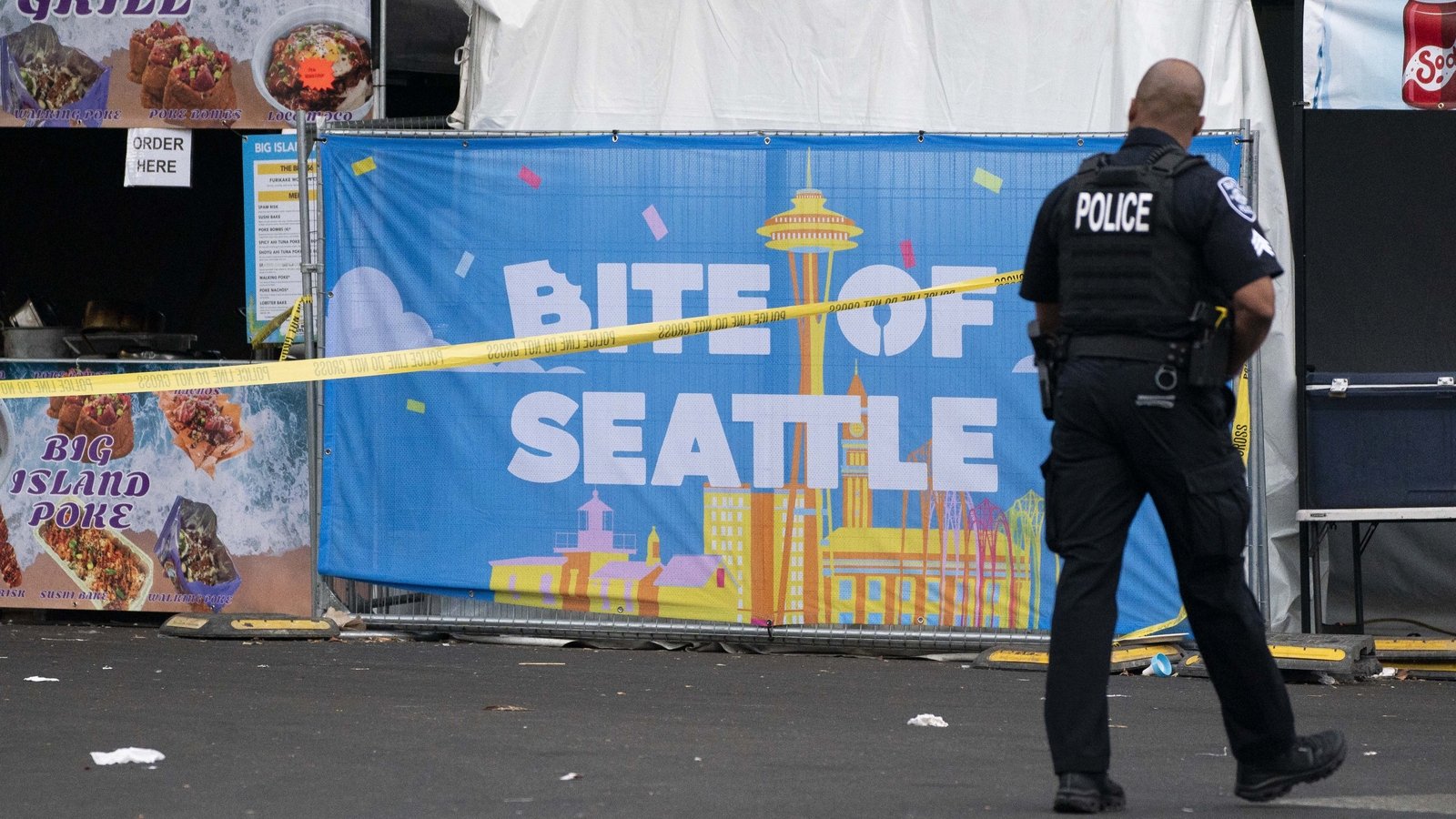
Evidence collected at Seattle Center points to a firefight rather than a lone attack. Roughly a dozen spent casings were recovered, and analysis indicates four separate handguns were discharged during the exchange. Only three weapons have been accounted for.
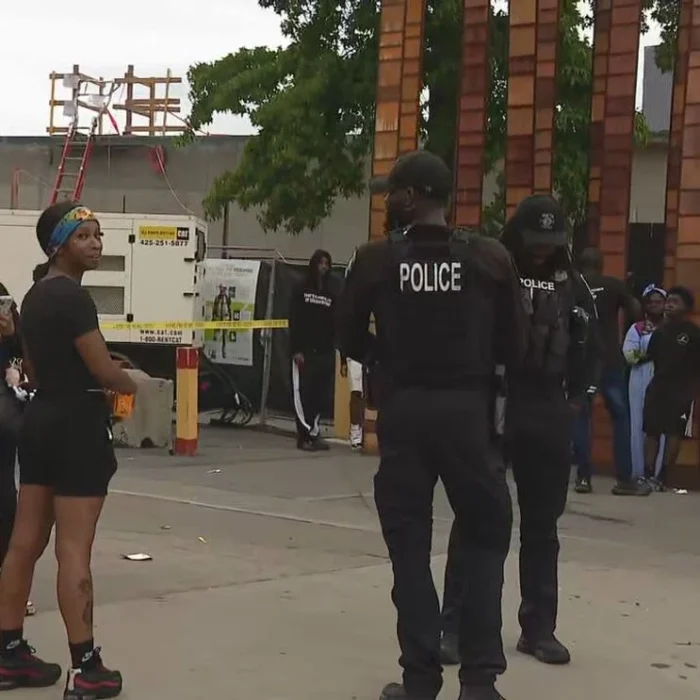
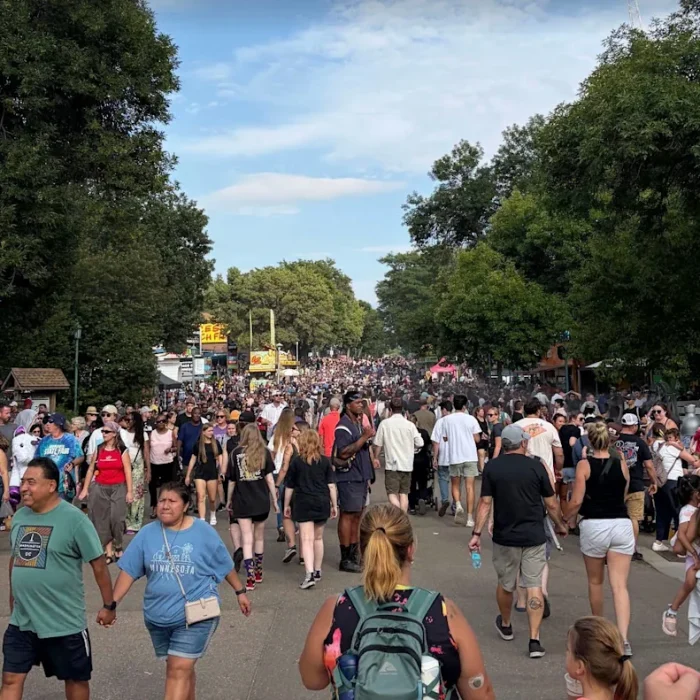
Gunfire broke out shortly before six o’clock on Sunday evening, on the final day of a three-day festival that drew an estimated 350,000 people across the weekend. Thousands of visitors and hundreds of vendors were still on the grounds.
Three people died. Two were bystanders with no connection to the dispute: Carlos Sanchez-Villalba, 44, and Ashley Whitehead, 56. The third was Junior Niko-Semo, 19, whom investigators later determined had been an active participant in the shootout.
At least four other people were wounded, among them a toddler. Officers evacuated the Seattle Center grounds while medics treated the injured.
A Detail From the Arrest
One line in the police statement has drawn particular attention. As officers walked the 15-year-old away from the scene, their path took them past Niko-Semo’s body. According to the document, the teenager spoke to him — a short farewell, addressing him as a brother.
Investigators have described the two as associates and believe the violence was rooted in gang conflict.
The Search Continues
Police Chief Shon Barnes said this week that more than one suspect may still be outstanding. Investigators are working to assemble a description before they can move to identify and locate anyone else involved.
The tip line has been active, with more than 80 calls logged since Sunday night. Detectives are combing through surveillance footage and conducting interviews with witnesses and survivors.
One thread remains frustratingly loose. Sometime after the shooting, a person with an apparent gunshot wound checked into a Seattle hospital, received treatment, and left before investigators could speak with them. Barnes said legal restrictions have blocked police from obtaining that person’s identity. Whether the injury is connected to the festival at all is unknown, and he has publicly asked the individual to come forward voluntarily.
The Ghost Gun Problem
The weapon recovered at the scene belongs to a category that has become a persistent headache for law enforcement. These firearms are put together privately from separately acquired components, typically bypassing the background check that a completed retail purchase would trigger. Without serial numbers, there is no paper trail linking a gun to a buyer.
Police departments across the country report encountering them with increasing frequency in violent crime, and their spread has become a recurring subject in debates over firearm regulation. In this case, the untraceable nature of the weapon cuts in a strange direction — it is the one gun investigators do have, and testing suggests it was not the one that killed anyone.
Juvenile Court or Adult Court
Prosecutors asked a judge Wednesday to transfer the case out of juvenile court. That request is not resolved quickly. The judge will hear arguments from both sides, and a ruling can take months.
The stakes of that decision are substantial:
- Tried and convicted as an adult, the charges carry a range of roughly eight to ten years, with the firearm enhancement potentially adding around five more.
- In juvenile court, the same charges carry roughly two to two and a half years. Whether the enhancement would extend time in juvenile detention is not immediately clear.
- Even after conviction in adult court, Washington judges retain discretion to impose a juvenile sentence instead.
The teenager has not been publicly named, consistent with his status as a minor who has not yet been transferred.
Where the Investigation Stands
For the families of the two bystanders, the forensic finding lands awkwardly. The only person in custody from the Seattle food festival shooting is not currently charged with killing anyone, and the person who fired the fatal rounds is still unaccounted for.
Police have not offered any theory about who that shooter might be. The prosecutor’s office has confirmed that this is the sole case referral it has received from the incident so far, which leaves room for additional charges — against the teenager or others — if ballistics work and witness accounts eventually point somewhere new.
The American flag atop the Space Needle has been flying at half-staff. The investigation, by every official account, is far from finished.
Author
-
Lucienne Albrecht is Luxe Chronicle’s wealth and lifestyle editor, celebrated for her elegant perspective on finance, legacy, and global luxury culture. With a flair for blending sophistication with insight, she brings a distinctly feminine voice to the world of high society and wealth.