The Senate recess that lawmakers expected to begin Friday is no longer a sure thing. Republicans arrived at the final week before the August break with a stack of unfinished business, and Democrats have discovered that simply refusing to cooperate is enough to jam the whole calendar.
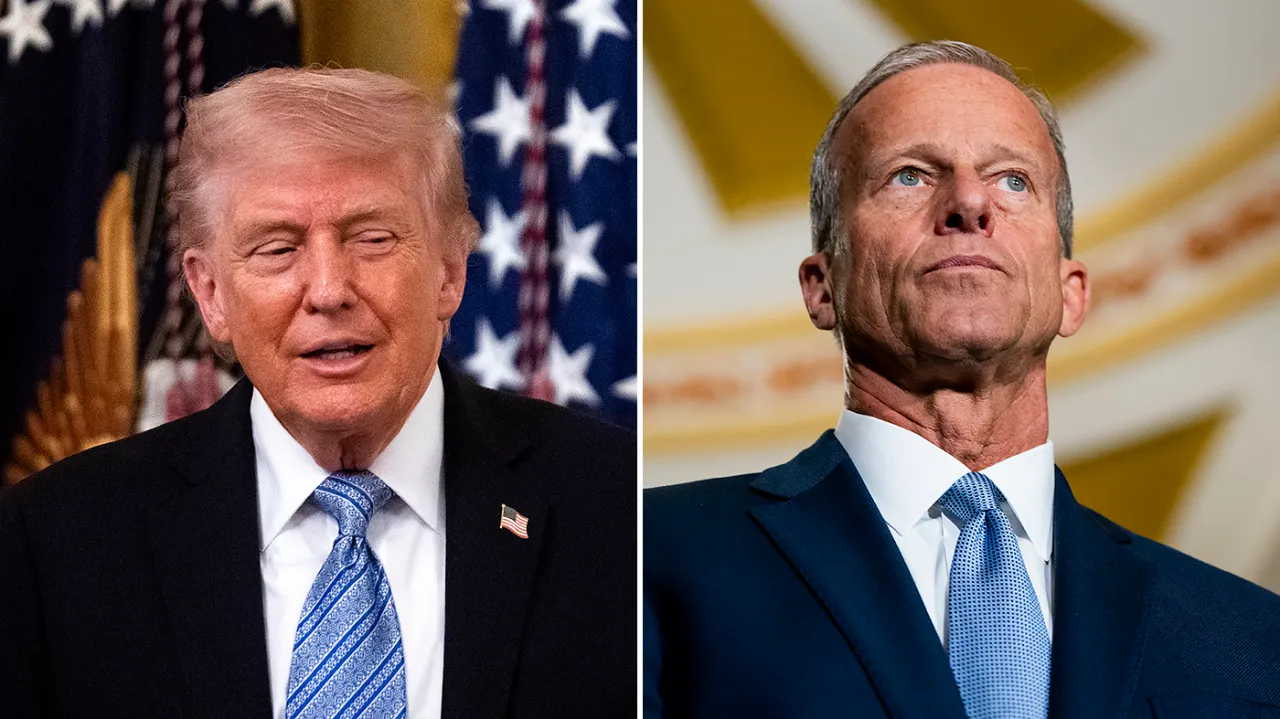
Senate Majority Leader John Thune summed up the state of play with unusual bluntness, calling the situation something close to a train wreck. He softened the description shortly afterward, conceding the phrasing was probably a bit strong, but he did not walk back the underlying complaint.
His explanation was more measured. A great deal of work has accumulated at once, he said, and the chamber’s procedural architecture makes moving anything across the floor slow by default. With cooperation, the process accelerates dramatically. Without it, everything crawls. He expressed hope that as the desire to finish and go home grows, senators on both sides would find ways to bring the outstanding items to a vote in one direction or another.
The Procedural Trap
Understanding why a handful of bills can paralyze an entire chamber requires understanding one mechanism: the time agreement.
Under normal Senate rules, advancing a single bill to final passage involves multiple procedural steps, each of which can consume days. To avoid that, senators typically negotiate an agreement to compress debate and move directly toward a vote. It is a routine courtesy, and the chamber depends on it to function at anything resembling normal speed.
Democrats have declined to extend that courtesy. They hold little formal power in the minority, but withholding consent is the one lever that works regardless of the vote count, and party leaders are using it deliberately to slow Republican priorities.
The result is a schedule stuck in limbo. Senate staff have warned that business could spill into next week. Thune has not ruled out holding the chamber in session until every outstanding bill is resolved, a threat that carries real weight for senators facing competitive midterm races who had planned to spend August campaigning.
The recess itself is scheduled to run through September 14, assuming it starts on time.
Government Funding: The One Item on Track
The most consequential piece of legislation is also the one moving most smoothly.
Senators are advancing a bipartisan resolution to extend current funding levels past the midterm elections. It cleared a key procedural hurdle earlier in the week, and Thune moved to end debate on Wednesday, setting up a possible final vote as early as Friday. Democrats are expected to support it, which should accelerate passage.
Top appropriators released the continuing resolution over the weekend. It pushes the funding deadline to December 11, effectively removing any shutdown drama from the pre-election window.
There is a catch. The House does not return until August 31, so the bill cannot reach the president’s desk until then, no matter how quickly the Senate acts.
The Blanche Confirmation Hangs on Two Votes
Acting Attorney General Todd Blanche cleared his biggest obstacle this week but has not secured the job.
The Senate Judiciary Committee advanced his nomination Tuesday after he reached an agreement with Senators John Cornyn of Texas and Thom Tillis of North Carolina to eliminate a proposed anti-weaponization fund inside the Justice Department. That deal moved him out of committee. It did not settle the floor math.
The count has been shifting by the hour. Senator John Curtis of Utah announced Tuesday that he would vote yes, resolving one uncertainty. Within hours, Senator Susan Collins of Maine announced she would vote no.
With Senator Mitch McConnell absent for an extended period, Blanche can afford exactly one more Republican defection before the nomination fails against unified Democratic opposition. Two Republicans remain publicly undecided: Lisa Murkowski of Alaska and Bill Cassidy of Louisiana. Both declined to say anything when reporters approached them Wednesday.
Thune said he expects Blanche to be confirmed and described ongoing conversations with the small group still weighing the decision. He stopped short of guaranteeing a vote before the break, saying only that holding one beforehand is his intention and hope.
The Budget Resolution Nobody Can Agree On
The messiest item is the budget resolution Republicans want to pass ahead of the midterms.
The framework would direct roughly $95 billion toward military spending, farm aid and voter identification provisions, and it would bypass the 60-vote filibuster threshold. The House adopted its own blueprint last month. The Senate has not yet produced a version of its own.
Republican senators met privately twice this week without landing on a plan capable of attracting enough support. The largest fault line is defense funding. The House framework sets that figure at $67 billion, an amount defense hawks consider inadequate.
A second objection comes from fiscal conservatives, who note that the resolution contains no spending reductions. Their concern is that the package expands the deficit without offsetting anything.
Thune has publicly lowered expectations, warning last week that the resolution lacks the 50 votes required to move. Senate Budget Committee Chairman Ron Johnson, who is steering the reconciliation effort, remains more optimistic and says he wants a vote before senators leave.
It is worth noting what passage would actually accomplish. The resolution does not spend money. It issues instructions to committees in both chambers to write the underlying legislation, which faces its own votes later.
Asked where things stood, Thune offered a cautiously improving assessment, describing the picture as still unclear but growing less cloudy.
Russia Sanctions, Delayed by a Tariff Fight
The bipartisan Russia sanctions bill was expected to be straightforward until Senator Raphael Warnock of Georgia placed a hold on the time agreement over its tariff provisions.
The hold does not prevent the bill from reaching the floor. It simply delays the final passage vote, which in a compressed week amounts to the same problem.
Leaders negotiated a path forward by allowing an amendment vote on removing the tariff language. That provision would grant the president authority to impose targeted tariffs on nations buying the bulk of Russian oil and gas, limited to the five largest importers and the five countries most active in helping Russia evade existing sanctions.
Warnock argued for rewriting the text to narrow that authority rather than striking it, contending the provision hands the president expansive new power to drive up prices through tariffs.
Despite the friction, the bill is still expected to pass with support from both parties once it reaches a vote.
Author
-
Lucienne Albrecht is Luxe Chronicle’s wealth and lifestyle editor, celebrated for her elegant perspective on finance, legacy, and global luxury culture. With a flair for blending sophistication with insight, she brings a distinctly feminine voice to the world of high society and wealth.