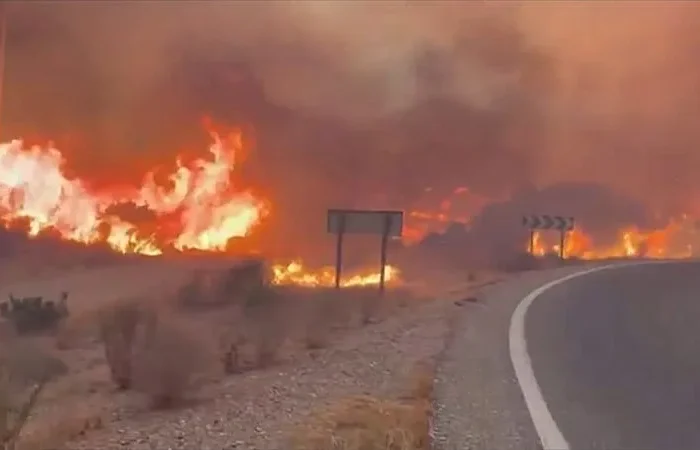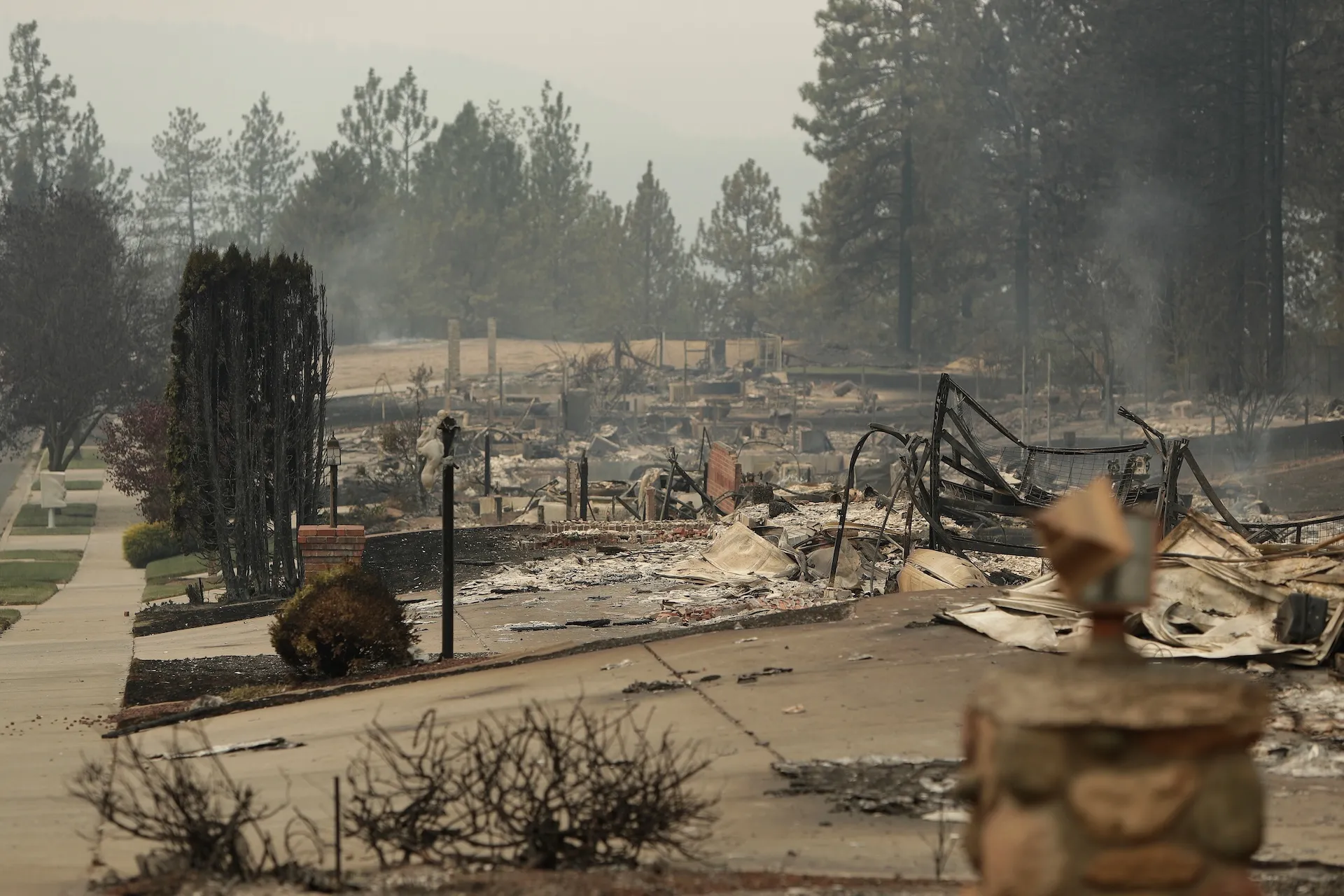
Spokane County wildfire recovery took on a sharper focus this week after two county officials climbed into an aircraft and saw for themselves what the Old Trails and Fairview fires left behind. What they found from a few thousand feet up was hard to absorb: streets where nearly every home was gone, and long orange-red streaks of retardant marking where crews had fought to hold the line.
Commissioner Josh Kerns and Governmental Relations Officer Ron Valencia made the flight together. Both came back describing a landscape that photographs on the ground simply cannot convey, and both said the experience will shape how the county approaches the months of rebuilding still ahead.
Why the Aerial View Changed the Picture
Driving through a burn scar shows you one street at a time. Flying over it shows you the pattern.
From the air, the officials could see how the fires moved, where they stalled, and how much of each neighborhood was consumed rather than damaged. Whole blocks had been flattened to foundations and debris. In other spots, the fire’s path stopped abruptly, and the reason was visible from above in the form of retardant lines painted across the terrain.
That contrast made an impression. It is one thing to hear that aerial drops help. It is another to look down and see exactly where the flames ran out of room.
The Case for Fire Retardant
Kerns was direct about how effective the retardant proved to be. In his words, the material genuinely works, and the evidence was laid out plainly beneath the aircraft.
Retardant does not extinguish a fire the way water does. Instead, it coats vegetation and structures with a chemical layer that slows combustion, buying ground crews the time they need to build containment lines and defend properties. On a fast-moving fire pushed by wind, those extra minutes can decide whether a house survives.
Seen from above, that logic becomes visual. Structures still standing inside a burned zone often sit just behind a retardant line.
The Drone Problem Nobody Should Ignore
That effectiveness is exactly why county officials have been so insistent about one specific request: keep drones on the ground.
The rule is not bureaucratic caution. It is a hard operational limit. When an unauthorized drone enters the airspace over a fire, tankers and helicopters cannot fly. Aviation crews have no way to see or avoid a small aircraft in smoky conditions, and the risk of a collision is severe enough that operations stop immediately.
Kerns tied the two points together directly, noting that the emphasis on keeping drones out of the sky exists precisely because the retardant drops matter so much. Every launch by a curious hobbyist can ground the aircraft that are actively protecting homes.
The practical consequences are simple:
- Air tankers and helicopters are grounded until the airspace is confirmed clear
- Fire lines that depend on aerial support can be lost during the pause
- Ground crews are left exposed without the cover those drops provide
- Time lost is almost never recovered once a fire regains momentum
For residents who want to document what happened to their property, officials have urged patience. Verified information will come through official channels, and there will be opportunities to assess damage safely once conditions allow.
Recovery Will Come From Many Directions
With the immediate emergency phase moving toward a longer rebuilding effort, county leaders are turning to the question every displaced family is asking: what now?
Kerns wanted one message understood above all others. Help rarely arrives from a single source. For households with coverage, insurance is one piece of the picture, but it is only one piece.
The county is coordinating with the Spokane Region Long Term Recovery Group, an organization built to sit at the center of exactly this kind of situation. Rather than forcing families to chase down a dozen separate agencies, the group works to connect residents with the range of assistance available to them.
That assistance is expected to include:
- Private insurance settlements for those who carry policies
- State funding allocated toward disaster recovery
- Local county and municipal resources
- Support from nonprofit and charitable organizations working in the region
Each stream covers different gaps. Insurance may address the structure while nonprofits help with immediate needs like clothing, temporary housing, or replacing tools someone needs for work. Piecing them together is the work ahead.
Why Filing Early Matters
Kerns encouraged anyone affected to begin filing claims with the Spokane Region Long Term Recovery Group as soon as they are able, and not to wait until they feel they have their situation figured out.
There is a practical reason for the urgency. Getting into the system early puts a household on the radar of the organizations distributing aid, which means support can be routed to them faster. Waiting often just moves a family further back in a queue that will only grow longer.
He also pushed back against a common instinct after a disaster, which is the reluctance to ask for help. Many people assume someone else lost more or needs it more. Officials have been clear that residents should reach out regardless.
What Comes Next
The road from a burned lot to a rebuilt home is measured in months and, for some families, years. Debris removal, insurance assessments, permitting, and construction all take time, and none of it moves quickly.
For now, county officials are asking affected residents to take two steps. Contact the Spokane Region Long Term Recovery Group to find out what resources apply to their circumstances, and start the claims process rather than putting it off.
The flyover gave two county leaders an unwelcome education in the scale of what was lost. The response, they say, will need to match it.
Author
-
Lucienne Albrecht is Luxe Chronicle’s wealth and lifestyle editor, celebrated for her elegant perspective on finance, legacy, and global luxury culture. With a flair for blending sophistication with insight, she brings a distinctly feminine voice to the world of high society and wealth.