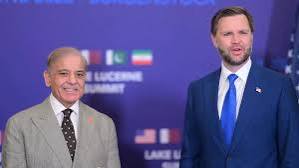
Tehran Sets Six Conditions for Hormuz as Vance Signals No Tolls Coming
The Strait of Hormuz negotiations produced two very different messages on Saturday, arriving within hours of one another and pointing in almost opposite directions.
From Washington came a note of cautious reassurance. From Tehran came a list of conditions that would take years to satisfy.
Vance Says Tehran Ruled Out Tolls
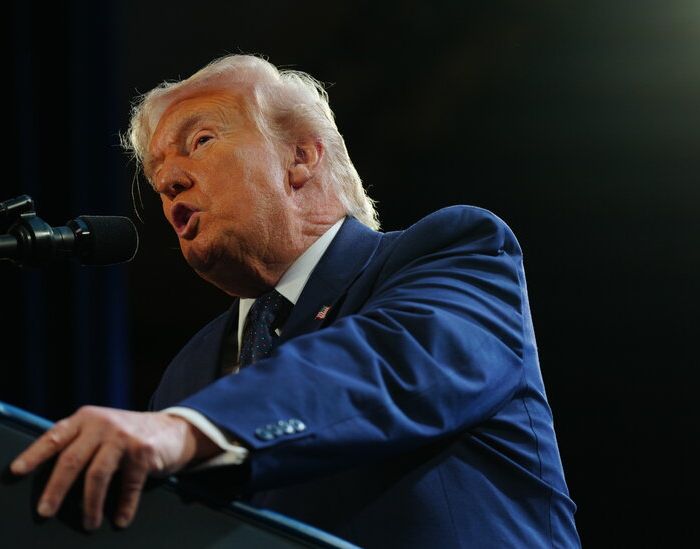
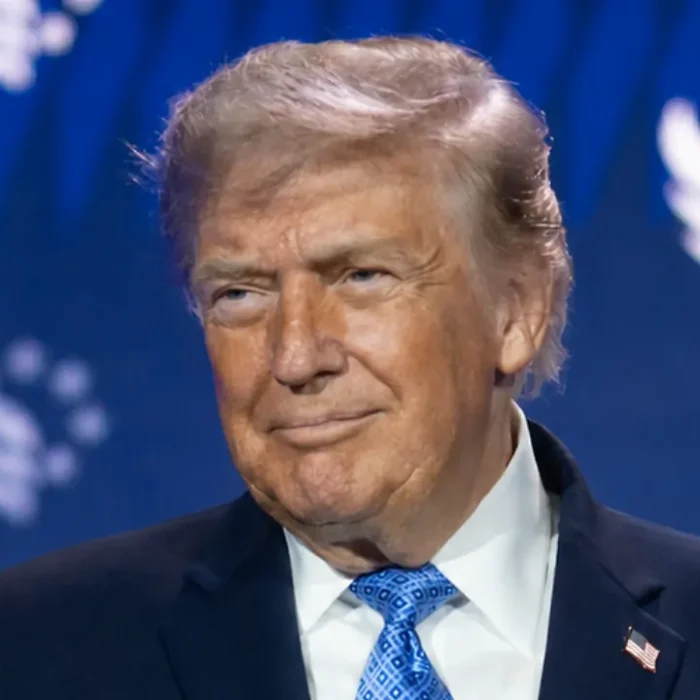
Vice President JD Vance told Fox News program Saturday in America that Iranian officials have communicated to the United States that they have no plans to impose tolls on traffic moving through the Strait of Hormuz.
He indicated that talks over reopening the waterway remain active, with President Donald Trump personally involved in the process.
The toll question matters because it represents a specific fear among shipping operators and energy markets. Charging vessels for passage through an international chokepoint would amount to a fundamental rewriting of how the strait functions, and would set a precedent other states might follow elsewhere.
Vance’s comment suggests that particular concern, at least, has been set aside.
Iran’s Six Demands
Hours later, Iranian state news agency IRNA published a considerably harder line.
Mohammad Baqer Zulqader, secretary of Iran’s Supreme National Security Council, said the strait will not reopen until the United States corrects its behavior. He then laid out six specific requirements.
The first calls for an end to threats against Iran and to what he described as insults directed at the country’s sanctities.
The second demands that the United States halt military action against Iran and its allies in Lebanon, the Palestinian territories, Yemen, and Iraq.
The third requires lifting the naval blockade currently in place.
The fourth calls for American sea and air forces to withdraw from around Iran.
The fifth seeks compensation for damages resulting from two wars.
The sixth demands removal of sanctions against Iran along with the unconditional release of frozen Iranian assets.
Zulqader added that the Supreme National Security Council would hold its position across both military and diplomatic channels.
Two Statements That Do Not Quite Match
Placed side by side, the American and Iranian messages describe different realities.
Vance’s account portrays a negotiation moving along, with at least one contentious issue resolved. Zulqader’s statement frames the strait’s closure as leverage that will not be released until a sweeping set of conditions is met.
Both can be technically accurate. Iran may genuinely have no intention of charging tolls while still refusing to reopen the waterway at all. Declining to monetize a closure is not the same as ending it.
The gap also reflects the audiences involved. Officials on both sides are speaking simultaneously to domestic constituencies and to their counterparts across the table, and the two require different registers.
Why the Strait Carries Such Weight
The Strait of Hormuz is among the most consequential stretches of water on the planet.
It connects the Persian Gulf to the Gulf of Oman and onward to the Arabian Sea, and it serves as the sole maritime exit for oil and liquefied natural gas produced by several major exporters. A substantial share of the world’s seaborne petroleum passes through it.
At its narrowest, the navigable shipping lanes are only a few miles across, which is precisely what makes it so vulnerable. Disruption there does not stay local. It moves through energy prices, shipping insurance rates, and supply chains worldwide within days.
That is why closure functions as leverage in the first place, and why negotiations over reopening draw such intense attention.
A Separate Warning Aimed at Ankara
The regional picture grew more complicated Saturday with a warning from Yemen.
Hizam al-Asad, a senior figure in the Iran-backed Houthi movement, directed a message at Turkey in a post on X. It came days after Ankara joined a new mutual defense arrangement with Saudi Arabia and Pakistan.
Al-Asad invoked the decade-long conflict between the Houthis and Saudi Arabia, describing the Saudi role in Yemen as aggression and siege. He suggested Turkey should weigh that history carefully before deepening its involvement.
He added that any country wishing to align itself with Riyadh was welcome to try, a remark he paired with a reference to the waters separating Yemen from the kingdom.
The New Defense Pact
The warning followed by one day the signing of a collective defense agreement in Mecca between Saudi Arabia, Turkey, and Pakistan.
Its central provision is straightforward and familiar: an armed attack against any one of the three signatories would be treated as an attack against all of them.
That structure echoes the logic underpinning NATO, and it represents a significant realignment. Turkey and Pakistan bring substantial military capability into a formal commitment to Saudi security, while Riyadh gains partners with nuclear and conventional depth.
For Iran and its regional partners, the pact reads as a consolidation of opposing forces at precisely the moment when leverage over the strait is being negotiated.
What to Watch Next
Several threads will determine how the coming weeks unfold.
Whether talks over the strait continue at pace, and whether Trump’s direct involvement produces movement that lower-level channels have not.
Whether Iran shows any flexibility on its stated conditions, most of which no American administration would plausibly accept in full.
Whether the Houthi warning to Turkey translates into anything operational, particularly around Red Sea shipping.
And whether the new Mecca pact draws additional signatories or hardens into a bloc.
For now, the strait remains closed, the demands remain on the table, and the only clear point of agreement is that nobody currently plans to charge for passage through a waterway nobody can use.
Author
-
Lucienne Albrecht is Luxe Chronicle’s wealth and lifestyle editor, celebrated for her elegant perspective on finance, legacy, and global luxury culture. With a flair for blending sophistication with insight, she brings a distinctly feminine voice to the world of high society and wealth.