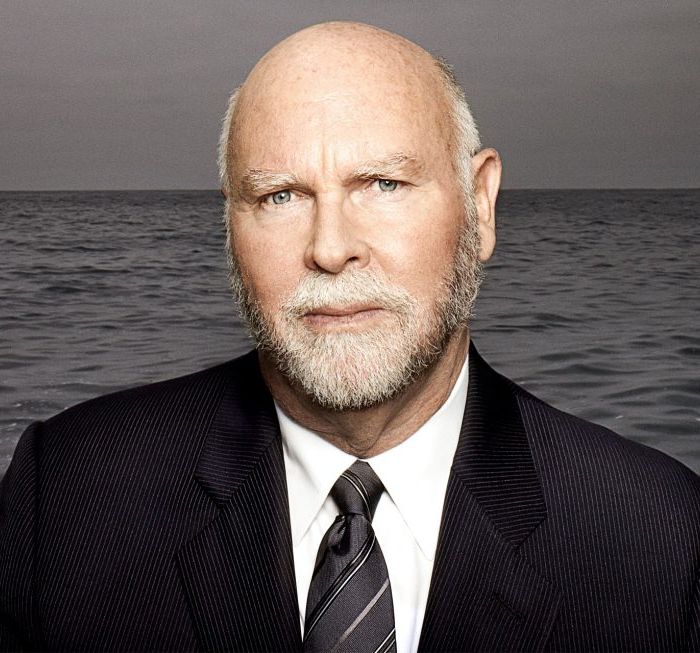
The Will Lawrence Michigan primary result has delivered exactly the outcome Democratic leaders spent weeks dreading. The Sunrise Movement co-founder came out on top in the party’s contest for Michigan’s 7th District, beating two candidates with substantially deeper establishment ties and considerably more conventional résumés.
The Associated Press projected the win Tuesday night. Lawrence defeated Bridget Brink, who previously served as U.S. Ambassador to Ukraine, and Matt Maasdam, a former Navy SEAL who worked as a military aide during the Obama administration.
Why Party Leaders Are Uneasy
This district sits near the top of the Democratic target list for November. The party needs it to build any realistic path toward a House majority, which is precisely why the primary generated so much anxiety internally.
Several prominent House Democratic moderates told Axios last month that they simply do not believe Lawrence can defeat Rep. Tom Barrett in a general election. Their reasoning follows familiar logic: a swing district requires a candidate who can pull independents and soft Republicans, and a movement progressive built on climate activism does not fit that profile.
Progressives reject the premise outright. Their counterargument is that the entire electability framework being applied here is out of date, built on assumptions about persuasion and turnout that no longer describe how voters actually behave.
The Math That Made It Possible
What happened in this race was not mysterious, and it was foreseeable enough that Democratic operatives in both Lansing and Washington had flagged the risk well in advance.
Two moderates ran. They divided essentially the same pool of voters. Lawrence consolidated the left and walked through the gap that division created.
The establishment itself was split, which made the problem worse rather than better:
The Democratic Women’s Caucus lined up behind Brink.
Sen. Elissa Slotkin, whose own political base overlaps heavily with this territory, endorsed Maasdam.
The Democratic Congressional Campaign Committee stayed out of it entirely.
That last detail is notable. The DCCC has been willing to intervene in other primaries this cycle, but chose not to pick a side here. Whether that reflected genuine neutrality or an inability to settle on a preferred moderate is a question that will likely be debated internally for some time.
Part of a Broader Pattern
Lawrence’s victory is not an isolated event. It fits into a sequence of progressive wins over establishment-favored candidates in competitive districts this cycle.
In California, activist and political science professor Randy Villegas defeated moderate State Assemblymember Jasmeet Bains for the right to challenge Rep. David Valadao. In Maine, progressive state Auditor Matt Dunlap beat Joe Baldacci, who carried establishment support, in the race to succeed retiring Rep. Jared Golden.
The DCCC had backed both Bains and Baldacci. Neither endorsement delivered.
Three races, three losses for the preferred candidate. That is a pattern worth taking seriously rather than dismissing as a run of local flukes.
What Changed in the Electability Debate
For years, the standard argument inside the Democratic Party held that swing districts demanded candidates who moderated their positions and emphasized biography over ideology. Military service, prosecutorial experience, and diplomatic credentials were treated as near-automatic assets.
Brink and Maasdam were textbook versions of that model. An ambassador and a Navy SEAL are exactly the profiles party recruiters have historically chased.
They lost anyway, and to a candidate whose background is organizing rather than governing.
Progressives read this as evidence that primary voters are prioritizing conviction and clarity over the traditional electability checklist. Skeptics counter that primary electorates and general electorates are entirely different animals, and that November will settle the argument in a way August cannot.
The Fight Ahead in Michigan’s 7th
Lawrence now faces Barrett in a district that will attract enormous outside spending from both directions.
Republicans are almost certain to run against Lawrence’s activist history and his association with the Sunrise Movement, framing him as too far left for mid-Michigan. That line of attack writes itself, and the NRCC will not need much creativity to deploy it.
Lawrence’s task is to define himself before that framing hardens. Progressive candidates who have succeeded in tough terrain have generally done so by grounding their message in economic concerns, cost of living, and local grievances rather than national ideological markers.
Whether national Democrats fully invest here is its own open question. A committee that declined to engage in the primary now has to decide how much it is willing to spend on the nominee it did not choose. Withholding resources would risk forfeiting a seat the party says it needs. Committing them means backing a theory of the race that many of its members openly doubt.
That decision, more than any speech or endorsement, will reveal how the party actually intends to handle its progressive wing this cycle.
Author
-
Lucienne Albrecht is Luxe Chronicle’s wealth and lifestyle editor, celebrated for her elegant perspective on finance, legacy, and global luxury culture. With a flair for blending sophistication with insight, she brings a distinctly feminine voice to the world of high society and wealth.