Rubio Calls Iran Peace Deal ‘Extremely Difficult’ as Hormuz Stays Shut and Iraq Seals Border Crossings
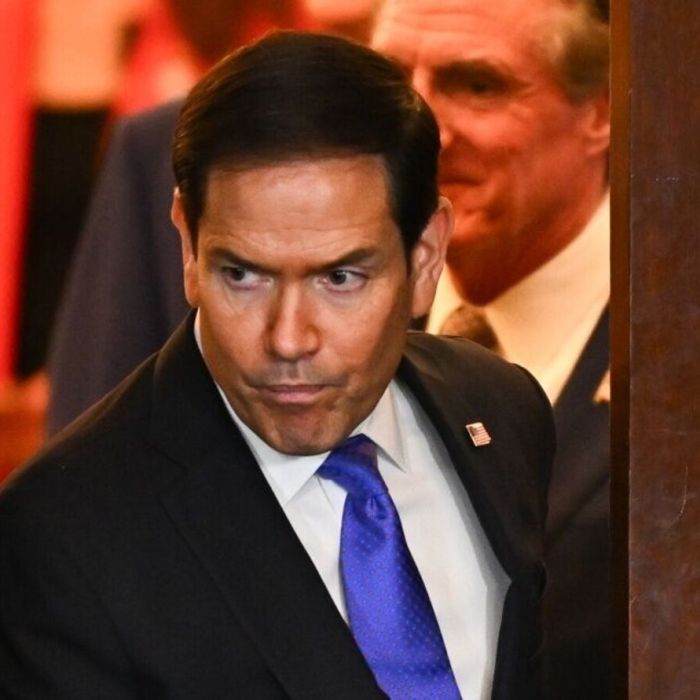
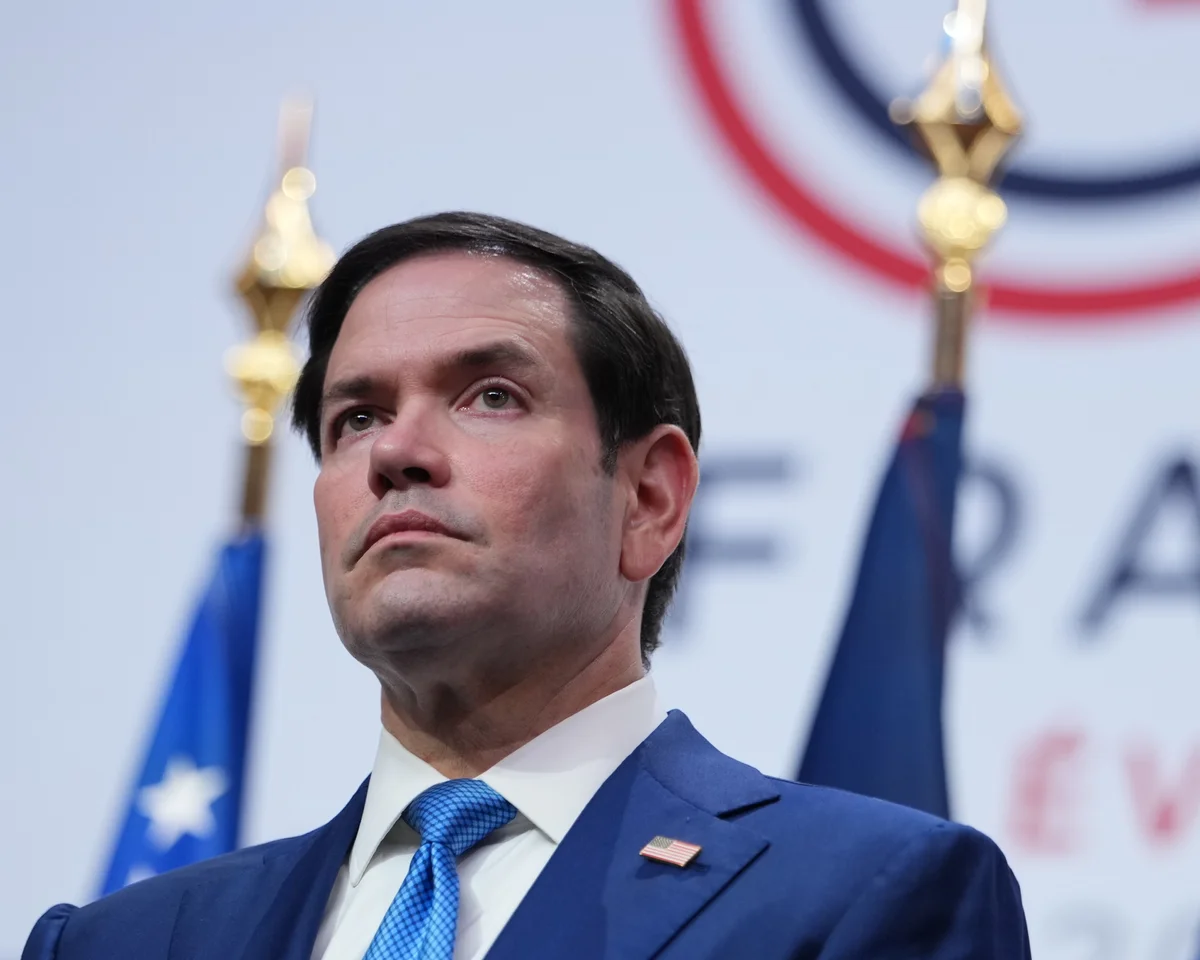
Iran peace deal prospects took another blow on Tuesday as US Secretary of State Marco Rubio conceded that reaching an agreement with Tehran remains extremely difficult, while Iran’s foreign minister insisted the Strait of Hormuz will stay closed until Washington meets his country’s demands.
The exchange, conducted through separate media appearances rather than across a negotiating table, underscored how far apart the two sides remain nearly eight months into a war that has reshaped the region’s politics and economy.
Rubio: Pressure Continues
Speaking to American media, Rubio framed the path to peace as steep and uncertain. He made clear that the United States will maintain economic pressure on Iran for as long as Tehran continues to threaten commercial vessels passing through the Strait of Hormuz, the narrow waterway through which a significant share of the world’s oil exports normally flows.
The message was aimed at two audiences. To Tehran, it signalled that sanctions relief is not on offer while shipping remains under threat. To domestic and international observers, it tempered any expectation of a quick breakthrough.
Araghchi: Hormuz Stays Closed
Iranian Foreign Minister Abbas Araghchi responded with an equally firm position. The strait, he said, will remain shut until the United States accepts Iran’s conditions. He confirmed that indirect contacts with Washington are continuing through two intermediaries, Pakistan and Qatar, but gave no indication that those channels have produced movement.
Iran’s conditions, as set out in recent weeks, include a region-wide ceasefire, the release of frozen Iranian assets abroad and the lifting of sanctions on its oil sector. Tehran has also rejected any proposal to transfer its enriched uranium to a third country.
The two statements amount to a standoff. Washington will not ease pressure until shipping is safe; Tehran will not reopen shipping until pressure eases.
Israel’s Opposition Warns Netanyahu
In Israel, the war’s domestic political dimension burst into the open. Yair Golan, leader of the opposition Democrats party, launched a scathing attack on Prime Minister Benjamin Netanyahu, accusing him of being weak, unwell and willing to compromise national security to preserve his own position.
Writing on X, Golan argued that Netanyahu has no legitimacy to lead the country into a fresh military campaign driven by personal and political motives on the eve of elections. He called on Israel’s security chiefs to act as a barrier against any attempt to use the armed forces for political ends and to block operations designed to serve individual interests.
The intervention reflects deep unease within Israel about the prospect of renewed escalation and about the timing of any such decision relative to the electoral calendar.
Yemen: Taiz Siege Grinds On
Further south, the war in Yemen shows no sign of resolution. Military analyst Ali al-Dhahab told Al Jazeera that the long-running siege of Taiz has become less a military operation than a tool of political and military pressure, with shelling of residential areas compounding an already severe humanitarian crisis.
He assessed that the confrontation around the city will likely persist for several more months, noting that progress on the ground has lagged well behind the four announced phases of the campaign known as Operation Dawn of Yemen. Without clear signs of a decisive outcome, he warned, conditions for civilians could worsen and control over key areas could erode.
Iraq Begins Closing Its Border With Iran
Perhaps the most unexpected development came from Iraq, where authorities have ordered the closure of the Al-Sheeb border crossing with Iran. Reuters, citing two sources at the crossing, reported it has been shut to passengers, vehicles and commercial trucks until further notice. One source attributed the move to a review of security arrangements inside the facility.
An Iraqi government source had earlier told Al Jazeera that the closure was ordered from Baghdad without a stated reason, and that additional crossings with Iran will be shut gradually over the coming days. Iraq and Iran share six border crossings; it remains unclear how many will ultimately be affected. No official statement has been issued.
The decision is significant on several levels. Iraq has long walked a careful line between its powerful neighbour and the United States, and the closures may reflect pressure from Washington, security concerns about cross-border movement during the conflict, or both. For Iran, which has relied on Iraqi trade routes to soften the impact of sanctions, the loss of border access would add to its economic strain.
Where Things Stand
Taken together, Tuesday’s developments paint a picture of a conflict that is widening rather than winding down.
Diplomacy between Washington and Tehran continues through intermediaries but shows no concrete progress.
The Strait of Hormuz remains closed, with consequences for global energy markets.
Israeli politics is becoming entangled with decisions about further military action.
Yemen’s war grinds on with mounting humanitarian cost.
Iraq is quietly reducing its exposure to Iran through border closures.
What to Watch
The next indicators will be whether Pakistan and Qatar can extract any flexibility from either side, whether Iraq’s closures expand to all six crossings, and whether Israel’s government moves toward a new campaign despite warnings from its opposition.
For now, Rubio’s assessment appears accurate. A deal is possible in theory, but the gap between what each side demands and what it is willing to give remains wide, and the war’s secondary effects continue to ripple outward across the region.
Author