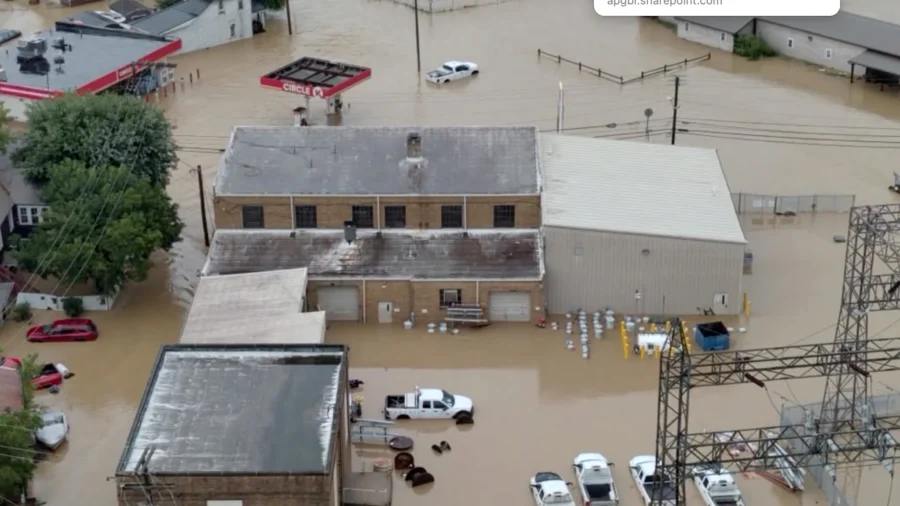
Hamilton County flooding has pushed local officials to declare a state of emergency after relentless rainfall overwhelmed roads, waterways and drainage systems across the Indiana county. What began as steady rain Friday morning quickly turned into a countywide problem, with dozens of routes underwater and emergency crews responding to people trapped by rising water.
An overnight downpour made things worse. Roughly three additional inches fell, pouring into creeks and rivers that were already running high and pushing that volume downstream toward communities that had barely started to dry out.
Why the Declaration Matters
County commissioners approved the emergency declaration to unlock faster action.
Commissioner Steve Dillinger explained that the move allows the county to respond without delay, pull resources together and direct assistance to the places suffering the most. He stressed that the immediate focus is on protecting people and backing up the neighborhoods taking the heaviest hit.
In practical terms, a declaration like this streamlines decision-making. It shortens the path to mutual aid from neighboring agencies, eases procurement of equipment and supplies, and lays the groundwork for state or federal assistance if damage assessments later warrant it.
Travel Warning Issued Before Dawn
At around 5:15 a.m. Friday, the county moved to an orange travel watch. Under that status, residents are advised to travel only when it is genuinely necessary.
Ryan Tennessen, deputy director of Hamilton County Emergency Management, put the guidance bluntly: keep away from high water, and never steer around barricades or attempt to cross a road that has been closed or submerged.
He also urged people living in flood-prone areas to think ahead rather than react late, warning that more rain was on the way and that conditions could shift rapidly. His central point was that anyone who may need to evacuate should be ready to go well before water reaches their doorstep.
That advice reflects a hard lesson from flood events everywhere. Most flood-related deaths happen in vehicles, and the depth of moving water is almost impossible to judge from behind a windshield. A road that looks passable can conceal a washed-out surface underneath.
Roads Under Water
More than 30 roads across Hamilton County were shut down as high water spread. The closures were not limited to minor side streets — several major state routes were affected, including sections of State Road 32, State Road 37 and State Road 19.
Because water levels were still changing, the closure list remained fluid throughout the day. Drivers were encouraged to check the county’s active closure listings before setting out rather than relying on navigation apps, which often lag behind real-world conditions during rapidly developing flood events.
Watching the River
River levels provided the clearest picture of what was coming.
As of 6:30 a.m. Friday, the gauge on the White River at Logan Street read 18.85 feet. Forecasters projected a crest near 20 feet at roughly 2 a.m. Saturday.
That timing carried an added risk. A crest arriving in the middle of the night means water reaches its peak while most residents are asleep, with visibility poor and reaction time reduced. Emergency officials generally consider overnight crests among the more dangerous scenarios precisely for that reason.
Rescues and Response
The Hamilton County Sheriff’s Office responded to a number of water rescues as the situation developed. The county’s Emergency Operations Center was activated, giving agencies a central hub for coordinating personnel, equipment and communication.
Noblesville Schools cancelled classes for Friday, removing buses from flooded routes and keeping students off roads that were becoming impassable.
What Residents Should Do
For anyone in or near the affected areas, a few steps reduce risk considerably:
- Turn around at any flooded roadway, regardless of how shallow it appears
- Never drive past a barricade — they are placed for reasons drivers cannot see
- Pack essentials now if you live in a low-lying area, including medications, documents and phone chargers
- Keep a charged phone and a backup power source ready in case of outages
- Move valuables and important paperwork to upper floors where possible
- Avoid basements once water begins entering, due to electrical hazards
- Stay out of floodwater on foot, which may carry sewage, debris or downed lines
Anyone in immediate danger should call 911 rather than attempting to self-rescue through moving water.
The Days After the Water Recedes
Flooding rarely ends when the rain stops. Once levels drop, residents typically face a second phase of problems: contaminated interiors, damaged electrical systems, ruined insulation and drywall, and the rapid onset of mould in humid conditions.
Documenting damage thoroughly with photographs before beginning cleanup is important for insurance claims. It is also worth noting that standard homeowners policies generally do not cover flood damage, which is a frequent and painful discovery after events like this one.
Roads that reopen may also be compromised. Undermined pavement, weakened shoulders and debris can persist long after visible water is gone.
Looking Ahead
With further rainfall in the forecast and the White River still climbing toward its expected crest, the situation in Hamilton County remained active rather than resolved. Officials indicated they would continue updating road closure information and monitoring river gauges around the clock.
For now, the message from emergency management has been consistent and simple: stay off the roads unless there is no alternative, respect every barricade, and leave early if you are in an area that floods.
Author
-
Lucienne Albrecht is Luxe Chronicle’s wealth and lifestyle editor, celebrated for her elegant perspective on finance, legacy, and global luxury culture. With a flair for blending sophistication with insight, she brings a distinctly feminine voice to the world of high society and wealth.