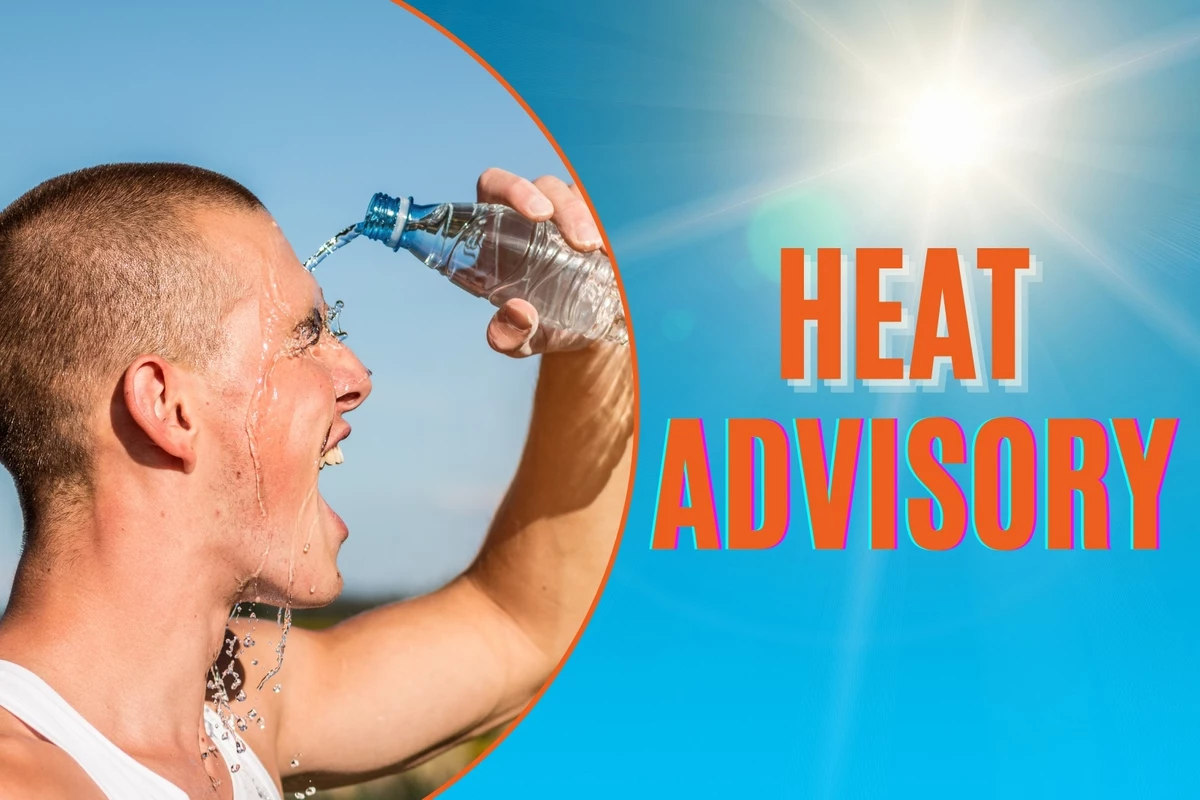
Dangerous Heat Grips the Region: Extreme Heat Warning Takes Effect Across Central Alabama
An extreme heat warning central Alabama residents should take seriously has been issued for Monday, signaling conditions that go well beyond the ordinary discomfort of a late-August afternoon in the Deep South.
The warning takes effect at 9 p.m. Central Time Sunday and remains in place until 9 p.m. Central Time Monday, covering the entire central portion of the state.
Sunday Offered No Relief
Anyone hoping that weekend rainfall might take the edge off was disappointed. The showers that developed stayed east of the region, delivering moisture elsewhere while leaving local communities under full sun.
Temperatures climbed into the upper 90s, and heat advisories were once again in effect for a second consecutive stretch. Without cloud cover or rain-cooled air, the heat simply built through the afternoon.
What the Numbers Look Like Monday
The forecast for the start of the week is the reason meteorologists escalated from advisory to warning status in Alabama.
Actual air temperatures are expected to approach 100 degrees. The heat index, which factors in humidity to reflect what the body actually experiences, is projected to reach or exceed 110 degrees.
That combination is what separates a warning from a routine summer day. At those levels, the body’s ability to cool itself through sweating becomes significantly impaired, particularly for anyone working or exercising outdoors.
Georgia Remains Under Advisory
Conditions across the Georgia side of the region are only marginally less severe. A Heat Advisory remains in effect there until 8 p.m. Eastern Time Monday.
The difference in alert level reflects a difference in expected intensity rather than a difference in risk. Heat-related illness is possible under advisory conditions as well, especially for people without reliable access to air conditioning.
Why an Extreme Heat Warning Matters
Alerts of this severity are issued when heat is expected to reach levels considered dangerous to the general population, not just to vulnerable groups.
Practical precautions during this stretch include:
Limiting outdoor activity to early morning or after sunset
Drinking water consistently rather than waiting for thirst
Checking on elderly neighbors, particularly those living alone
Never leaving children or pets in parked vehicles, where interior temperatures rise rapidly
Watching for warning signs such as dizziness, nausea, headache, confusion or the sudden absence of sweating
Overnight temperatures matter too. When nighttime lows stay elevated, the body loses its usual window to recover, which is part of why the warning extends through the overnight hours rather than covering daylight only.
Relief Is Coming, Slowly
The forecast does improve as the week progresses, though not immediately.
Two frontal systems are expected to move through the region, bringing improved rain chances on Tuesday and again on Thursday. Those fronts serve a dual purpose, delivering both precipitation and a gradual shift in the air mass sitting over the Southeast.
By the latter part of the week, temperatures should ease. Highs are forecast to settle into the lower 90s, with heat index values dropping to around the triple-digit mark.
That may not sound like dramatic improvement, and in absolute terms it is not. But the difference between a 110-degree heat index and a 100-degree heat index is meaningful in terms of health risk, particularly for outdoor workers and anyone spending extended time in the sun.
Getting Through Monday
The near-term priority is simply making it through the peak. Monday represents the most dangerous day in the current forecast window, with the warning covering a full 24-hour period across central Alabama.
Employers with outdoor crews should be planning for adjusted schedules, frequent breaks and shaded rest areas. Parents should think carefully about afternoon sports practices and outdoor activities.
Cooling centers, where available, become genuinely important during warnings like this one, especially for households where air conditioning is unreliable or unaffordable to run continuously.
The heat will break. It just will not break tomorrow.
Author
-
Lucienne Albrecht is Luxe Chronicle’s wealth and lifestyle editor, celebrated for her elegant perspective on finance, legacy, and global luxury culture. With a flair for blending sophistication with insight, she brings a distinctly feminine voice to the world of high society and wealth.