The Trump Iran decision is edging closer, and the president says the answer will arrive “very soon.” Washington now has to choose between a military strike and a negotiated deal, while a suspected terror plot near a key American air base in Britain adds a new and uncomfortable layer to an already tense standoff.
A Choice Between Force and a Deal
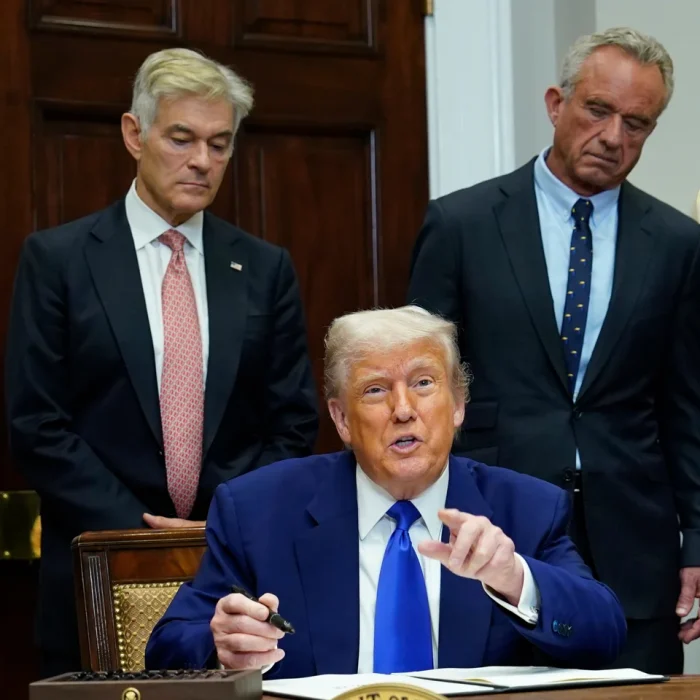
President Donald Trump told reporters the United States will shortly have to decide whether to “blow up” Iran or settle on terms with Tehran. In his telling, the long confrontation is close to its end.
He did not spell out what a deal would look like or what would push him toward military action. But the message was clear: the waiting game is almost over, and one path or the other will be taken soon.
The Fairford Question
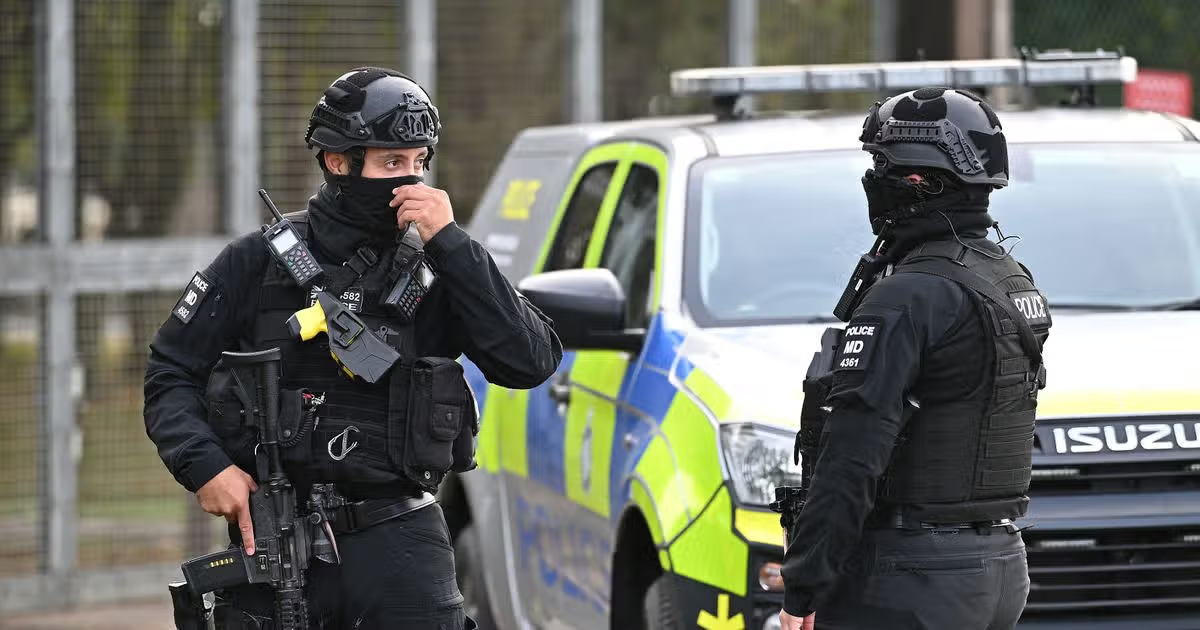
Alongside the Iran decision, Trump revealed that American officials are “studying” whether Tehran had any role in a suspected terror plot aimed at RAF Fairford. The base in Britain is widely used by U.S. forces and is considered an important military hub.
The comments follow remarks from UK Prime Minister Andy Burnham, who said there were signs pointing to Iranian involvement. Iran’s Foreign Minister, Abbas Araghchi, rejected that claim outright.
For now, the connection remains unproven. Trump’s wording suggests investigators are still gathering facts rather than drawing conclusions. Still, even the possibility of a link raises the stakes, since an attack linked to Iran on British soil would put pressure on both London and Washington.
Pressure on Tehran’s Economy
While the diplomacy plays out, the U.S. Navy is keeping up its blockade of Iranian ports. That blockade has been a major tool in squeezing Iran’s economy over recent months.
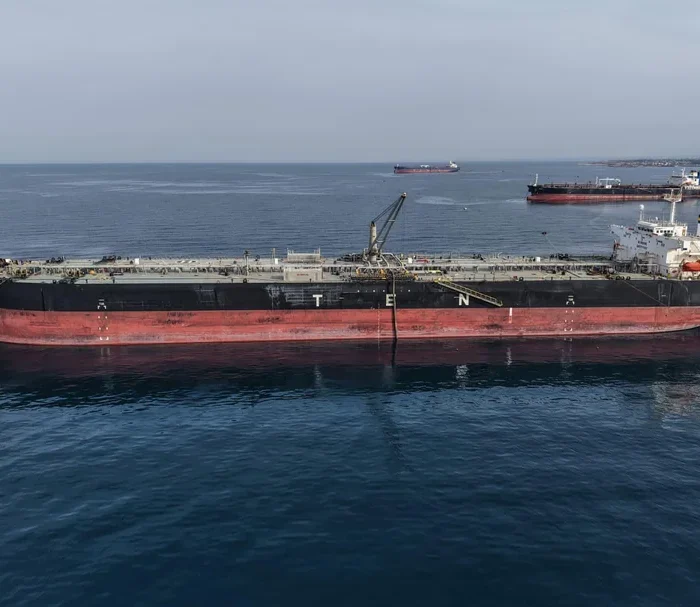
Yet there are signs the picture is shifting. Oil exports this week reached their highest level since the war began, a development that suggests Iran’s grip on the Strait of Hormuz is loosening. The waterway is one of the world’s most important shipping routes, and control over it has been central to the conflict.
So the situation is mixed. Economic pressure remains heavy, but the flow of oil indicates Tehran’s leverage is not what it once was.
America Winds Down in Iraq
In a separate move, U.S. forces formally ended Operation Inherent Resolve in Iraq on Sunday. That marks the start of a full departure of American troops and equipment from Erbil Air Base.
Trump welcomed the withdrawal, which closes a chapter that began 23 years ago. He added that Washington would still help Iraq if it needs support.
The timing is notable. The U.S. is pulling back from one part of the region even as it weighs its next step on Iran, and the two developments will be read closely by governments across the Middle East.
Warnings From Tehran to the Gulf
Iran has also been sending messages to its neighbors. It cautioned the United Arab Emirates that hosting American military bases has not delivered real security.
Tehran argued that a recent visit by Israeli Prime Minister Benjamin Netanyahu will not make the region any safer either. The warning is aimed at Gulf states that have aligned closely with Washington, and it reflects Iran’s effort to drive a wedge between them and the United States.
The Pentagon’s Assessment
Secretary of War Pete Hegseth said American forces have destroyed major parts of Iran’s military and badly damaged its nuclear ambitions during operations against the country. It is a confident claim, and it likely shapes how the administration views its options. If officials believe Iran has already been significantly weakened, that could influence whether they lean toward a deal or further strikes.
What to Watch Next
Several threads will determine how this unfolds in the coming days:
- Whether Trump announces a strike or a negotiated agreement
- What the Fairford investigation finds, and whether any Iranian link is established
- How oil exports and Hormuz traffic develop under the ongoing blockade
- How Gulf states respond to Iran’s warnings and to the U.S. troop drawdown in Iraq
The Bottom Line
Everything is converging at once: a looming presidential decision, a security investigation in Britain, shifting oil flows, and a changing American footprint in the region. Trump says the end of the standoff is near. Whether it ends with a handshake or with missiles is the question the world is now waiting to see answered.
Author