Pence ballistic missile Ukraine remarks made Sunday underscored a growing consensus between the former vice president and President Volodymyr Zelensky: giving Ukraine the tools to stop Russian ballistic missile strikes could fundamentally alter the trajectory of the war.
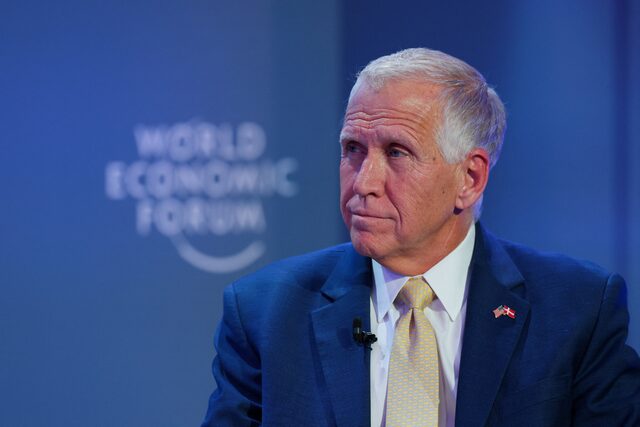
Speaking during an interview on NewsNation’s “The Hill Sunday,” Mike Pence explained that Russian forces have shifted tactics, increasingly relying on high-arc ballistic missiles alongside cruise missiles to strike targets across Ukraine.
Why These Weapons Matter So Much
Countering that specific threat requires specialized systems, either Patriot interceptors or terminal high-altitude area defense interceptors, commonly known as THAAD, according to Pence.
Pence addressed Ukraine’s National Prayer Breakfast during his visit and met directly with Zelensky, who reiterated a request he has made publicly before: that the United States make available up to 5% of its Patriot missile resources specifically to help Ukraine counter these ballistic missile attacks.
Pence framed the stakes in stark terms, arguing that stopping ballistic missile attacks would effectively remove what he described as the last fighting tool remaining in Vladimir Putin’s arsenal.
A Complicated Path Forward
President Trump granted Ukraine a license in July allowing the country to co-produce Patriot missiles domestically. However, analysts have cautioned that building sufficient manufacturing capacity will likely take years, meaning the license alone won’t solve Ukraine’s immediate shortage.
Complicating the picture further, the United States has depleted nearly 80% of its THAAD interceptor stockpile and roughly half of its Patriot missiles during the ongoing conflict with Iran, according to CNN reporting from earlier this month. That depletion raises obvious questions about how much surplus capacity actually exists for Washington to share with Ukraine.
Pence Downplays the Tradeoff
Despite those figures, Pence rejected the idea that depleted American interceptor stockpiles are hurting Ukraine’s position. Speaking with Dana Bash on CNN’s “State of the Union,” he stated plainly that he doesn’t view the situation that way, and suggested Ukrainian officials share that assessment.
That position sidesteps a fundamental tension: if American stockpiles are genuinely low due to the Iran conflict, prioritizing Ukraine could mean tradeoffs elsewhere, a dynamic Pence chose not to directly address.
A Deadly Month for Civilians
The stakes behind this debate are underscored by casualty data. According to the United Nations Human Rights Monitoring Mission in Ukraine, July marked the deadliest month for Ukrainian civilians since May 2022, early in the full-scale invasion.
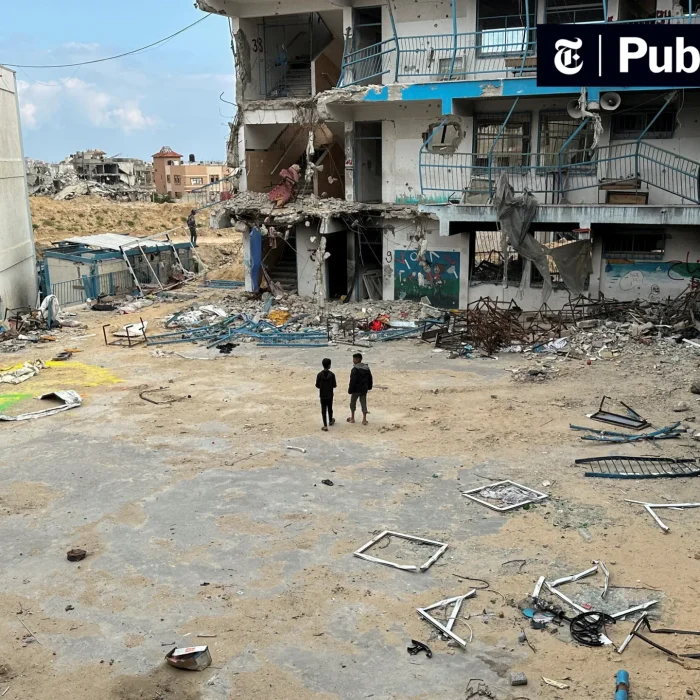
That statistic adds urgency to calls for expanded air defense capacity, particularly as ballistic missile strikes have increasingly targeted civilian infrastructure rather than purely military objectives.
Briefing Senators in Kyiv
Zelensky also used the weekend to brief visiting U.S. Sens. Richard Blumenthal, a Connecticut Democrat, and James Lankford, an Oklahoma Republican, on what he described as Russia’s ongoing campaign of ballistic missile terror against Ukrainian civilians.
In a social media post, Zelensky emphasized how critical it remains for Ukraine to develop the capability to counter these strikes, arguing that implementing the Patriot production licensing decision could provide significant help toward that goal.
Pence Calls Continued Support Essential
Pence echoed Zelensky’s framing, describing continued military backing from the Trump administration and other international allies as essential to Ukraine’s ability to withstand the current phase of the conflict.
He warned that without additional assistance, an inadequately protected Ukraine faces serious risk as winter approaches, particularly regarding attacks on energy infrastructure. Pence noted that Zelensky had made clear to him that Putin intends to use ballistic missiles not just against targets like the children’s hospital and shopping mall struck this past week, but specifically to target energy infrastructure as colder weather sets in.
Why Winter Raises the Stakes
Energy infrastructure attacks carry particular weight heading into winter months, when heating and electricity become matters of basic survival for millions of Ukrainian civilians. Previous winters of the conflict have seen Russia specifically target power plants, substations and heating infrastructure, producing widespread blackouts during the coldest periods of the year.
That pattern gives added urgency to the current debate over Patriot and THAAD interceptor availability, since successfully defending energy infrastructure requires exactly the kind of ballistic missile defense capability both Pence and Zelensky are now publicly pushing Washington to expand.
What Happens Next
The gap between Ukraine’s stated needs and America’s current interceptor stockpiles, strained further by the ongoing Iran conflict, leaves the practical question of increased Patriot deliveries unresolved. Whether the Trump administration moves to fulfill Zelensky’s request for access to 5% of U.S. Patriot resources will likely become clearer in the coming weeks, particularly as both sides brace for what officials on multiple continents now expect to be a difficult winter for Ukraine’s civilian population and infrastructure alike.
Author