A surrogacy custody case now playing out in a Texas courtroom has grown into something far larger than a dispute between two families. It has become a vehicle for activists who want to see surrogacy restricted or banned outright, and possibly a stepping stone toward limits on fertility treatment more broadly.
The details are wrenching, and both sides believe they are protecting a child.
How the Dispute Began
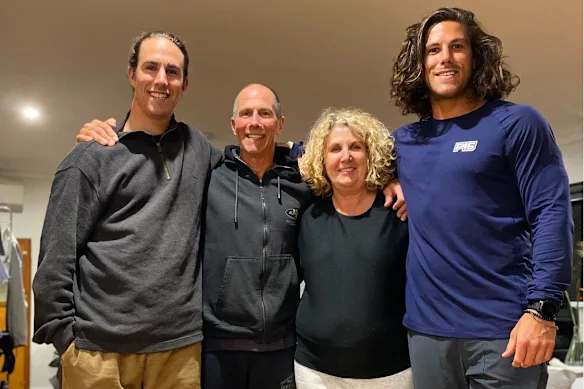
Nausheen Gilkar and Omar Ahmed, a California couple, spent years trying to have a child. Eight rounds of IVF failed. Gilkar later underwent a hysterectomy, which ended any possibility of carrying a pregnancy herself.
They turned to surrogacy and connected with McKenna West, a nurse from Alaska.
Roughly midway through the pregnancy, testing revealed the fetus had hypoplastic left heart syndrome, a serious congenital condition affecting the development of the heart’s left side.
Reproductive health reporter Shefali Luthra of The 19th News described it as what clinicians call a gray diagnosis. There is no certainty the child will die and no certainty the child will live. Even in the most favorable outcome, the child faces extensive medical intervention and a genuinely difficult life.
The Turning Point
The couple has acknowledged that after receiving the diagnosis, they raised the possibility of terminating the pregnancy.
By their account, West initially agreed, then reversed course and cut off communication with them.
In testimony this week, West described what happened next. She connected with an anti-abortion organization, which put her in touch with attorneys and arranged for her to travel to Texas. She has remained there since, with the group covering her housing and legal expenses.
Texas prohibits abortion, which effectively removed the option regardless of anyone’s wishes. The state attorney general also became involved.
West carried the pregnancy to term and gave birth. The baby has since undergone surgery.
What the Court Is Deciding
The remaining question is custody, and with it the authority to make medical decisions for the child.
A California court ruled in June that Gilkar and Ahmed are the legal parents and hold custody. West is now asking a Texas court to overturn that determination and place the boy with her instead.
An Emotionally Charged Hearing
Wednesday’s proceeding was tense throughout.
The biological parents described the years of effort behind their attempt to build a family, an account Luthra characterized as devastating to hear. Eight failed IVF cycles, a hysterectomy, and finally the surrogacy arrangement.
West’s attorneys pursued a specific line of argument: that because the couple had once inquired about abortion, they cannot be trusted to make medical decisions on the child’s behalf.
The parents pushed back firmly. They wanted this child. They worked extraordinarily hard to have him. They love him, and they intend to do everything possible to keep him alive.
The dispute ultimately reduces to a single contested question, and both sides answer it the same way while reaching opposite conclusions. Each insists it is the party acting in the baby’s best interest.
Why Activists Have Seized on This
The case offers anti-abortion groups an unusually convenient entry point.
On its surface it is about abortion, since a possible termination sits at the center of the facts. But Luthra explained that the deeper interest lies elsewhere.
A significant portion of the anti-abortion movement opposes surrogacy strongly and would like to see it prohibited. Activists she has spoken with are open about their strategy: use the visibility this case has generated to build support for surrogacy restrictions in Texas when the legislature convenes next year.
A sympathetic surrogate, a sick infant, and parents who once considered abortion make for a case that is easy to build a campaign around.
The Path Toward IVF Restrictions
The implications may extend well beyond surrogacy arrangements.
Luthra noted that regardless of how the custody question is resolved, the attention alone has laid groundwork for a wider set of restrictions.
The arguments deployed against surrogacy overlap heavily with arguments the same groups make about IVF. Both practices are described as commodifying pregnancy. Both are characterized as unnatural in how they determine parentage. Both separate biological, gestational, and legal parenthood in ways critics find objectionable.
If restrictions on surrogacy do materialize, she suggested, they become the opening of a conversation about who may access IVF, in which states, and under what conditions.
That prospect worries many families. IVF has produced millions of children and is used by couples across the political spectrum, including many who otherwise align with the movement now questioning it.
The Human Cost Underneath
Lost in the political framing is a newborn who has already had heart surgery and faces an uncertain road.
Whatever the courts decide, this child will require sustained specialized care, likely including additional surgeries. Custody determines who sits in consultation rooms making those choices.
There is also a woman who carried a pregnancy she did not intend to continue under these circumstances, and a couple who spent years and enormous emotional resources trying to become parents.
None of the participants set out to become a test case.
What Comes Next
The Texas proceedings continue, and any ruling will likely face appeal. Conflicting orders from California and Texas courts raise their own thorny questions about which state’s judgment controls.
Meanwhile, the legislative push has already begun taking shape ahead of next year’s session in Texas.
For anyone relying on surrogacy or IVF to build a family, the outcome here may matter far more than a single custody dispute would normally suggest.
Author