NATO Russia provocation has become the phrase defining a nervous summer in Eastern Europe, as Poland and the Baltic states brace not for tanks crossing borders but for something considerably harder to answer.
The worry is not invasion. It is calibration.
The Scenario That Worries Officials
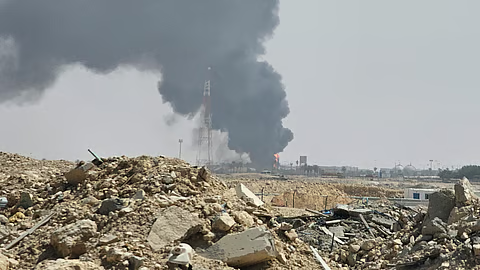
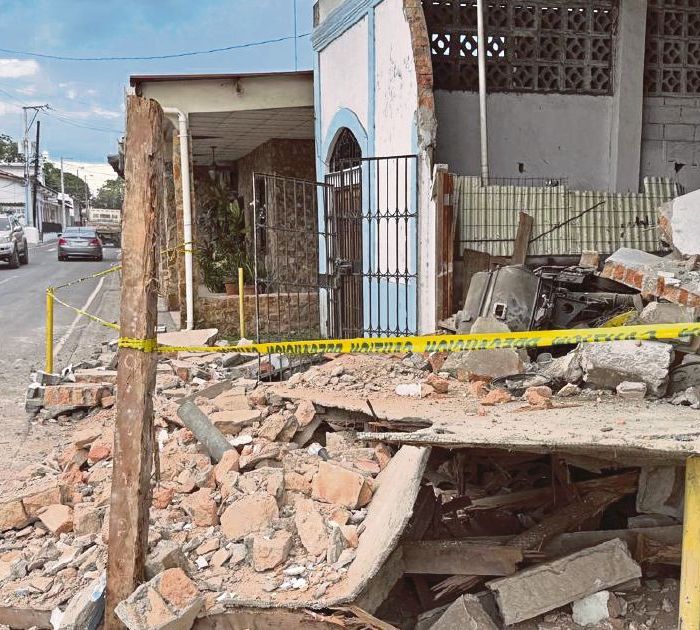
Poland and Romania have absorbed a series of Russian drone intrusions since spring, along with at least one missile strike. In late July a Russian cruise missile travelled deep into Polish territory during a large-scale attack on Ukraine and came down in Lublin province. Drones have probed Polish airspace repeatedly since.
None of these incidents triggered a collective response, and that is precisely the point.
The fear among officials in Warsaw and the Baltic capitals is that Moscow believes it can carry out something deliberately ambiguous: violent enough to frighten and destabilise the alliance, yet small and deniable enough that invoking Article 5, NATO’s self-defence clause, becomes politically awkward rather than automatic.
An attack that clearly demands a response is manageable. An attack designed to produce argument is not.
Why Moscow Might Try
Withold Rodkiewicz, a security expert at the Center for East European Studies at the University of Warsaw, argues the war is nearing a turning point where the Kremlin concludes that defeating Ukraine requires breaking NATO politically.
His reading of the Russian leadership is that frustration has set in. They have been unable to break Ukrainian forces in the field, and Ukrainian strikes on oil and commercial infrastructure carry the potential to destabilise the Kremlin’s own position.
The prevailing analysis in Moscow, he said, is that Ukrainian resistance depends on Western supply. From that premise, targeting Western cohesion follows logically.
He was blunt about the absence of appetite for compromise, saying the Russian elite are not searching for a way out or an off-ramp, and that escalation presents itself as the obvious next move. He suggested September, either side of Russia’s parliamentary elections, could be the moment.
Not Everyone Agrees
The assessment is not unanimous. Estonia’s foreign intelligence service continues to judge that Russia does not currently intend to attack a NATO country militarily within the coming year.
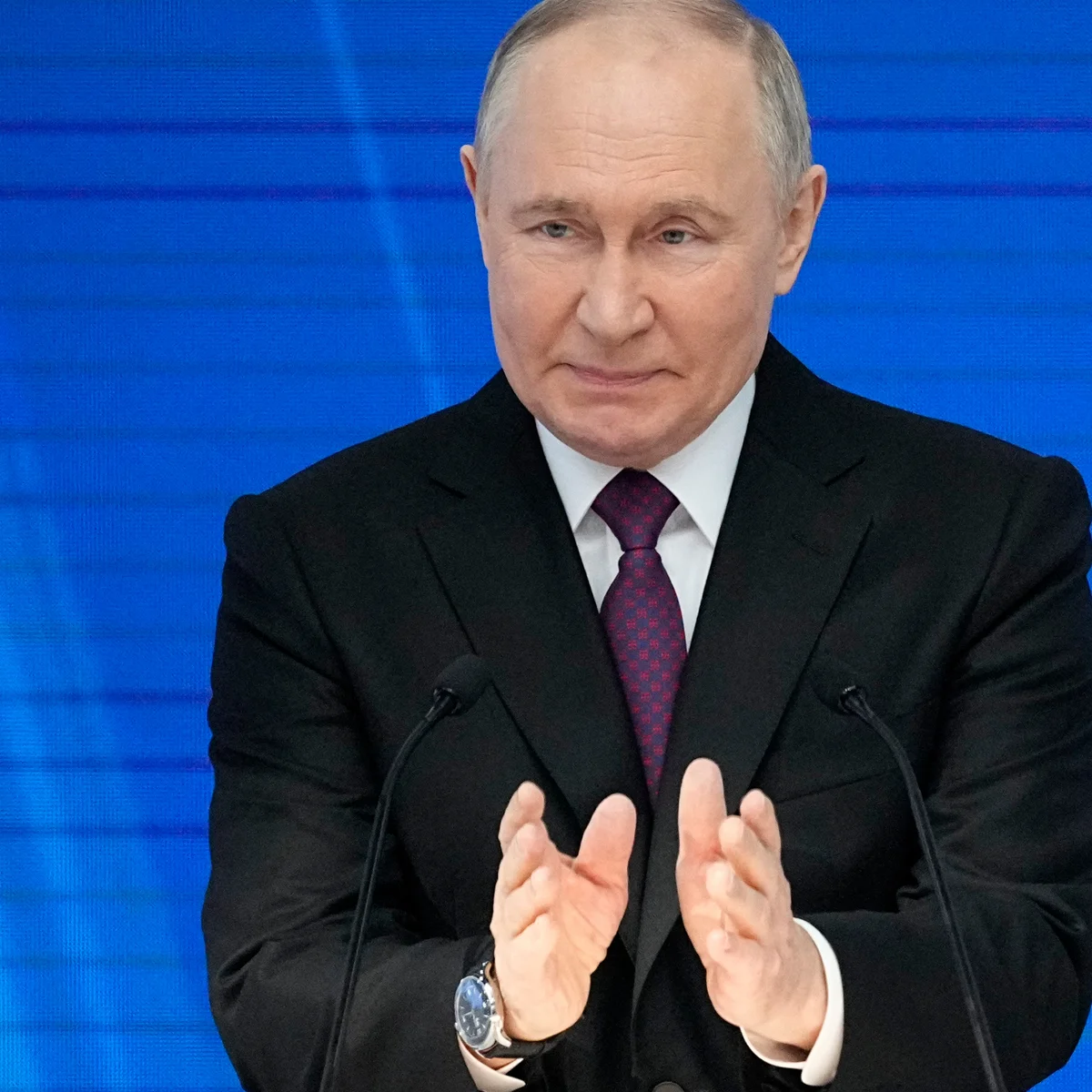
That distinction matters. Risk-taking and provocation are not the same as a decision to start a conventional war, and no consensus exists that Vladimir Putin has made the latter choice.
The Warnings Have Sharpened
What has changed over the summer is specificity.
- Late June and July: reporting indicated Western intelligence had detected signs Russia might prepare action against Poland or the Baltics aimed at testing alliance cohesion
- The Guardian reported that intelligence reaching Latvia pointed to a possible Russian military provocation
- Subsequent reporting indicated the United States had warned Poland about the possibility of an armed incident on its territory
- By early August, US intelligence was reportedly telling Poland and the Baltic states that Putin could authorise provocative action while the Ukraine war continues, rather than waiting to rebuild conventional forces afterward
That last point represents a real shift. The earlier assumption was that any NATO confrontation would come after Russia reconstituted its military. Acting during the war implies a different calculation.
The Alliance’s Internal Problem
Kerry Buck, Canada’s former ambassador to NATO, argues Russia has sought to damage the alliance since seizing Crimea in 2014, and that conditions have grown more favourable since Donald Trump returned to office.
She pointed to an accumulation of strains: repeated criticism of allies, new financial demands, reductions in US forces earmarked for emergencies, and Washington’s ongoing review of American troop posture in Europe. Together, she said, these have created conditions for a serious political crisis if a provocation occurs.
She described the situation as a window of opportunity in which Russia has been emboldened to probe NATO territory, airspace and space more aggressively.
Buck does not expect an outright attack. She is confident about something narrower, saying that when it comes to an action clearly designed to shake NATO decision-making and political cohesion, she absolutely expects it.
Washington’s Position
Trump told reporters last week he is not concerned at all about Russia attacking NATO territory, saying he has spoken with Putin and received assurances that no such attack is coming.
At a North Atlantic Council meeting in Brussels, US defence policy chief Elbridge Colby insisted Washington is not abandoning Europe, describing instead a new vision for NATO centred on European-led conventional defence.
Buck said she accepts Colby’s statement at face value. Her concern lies elsewhere, in the mechanics of alliance politics.
Historically, the United States has organised the response whenever a crisis arrived. Whether that still holds is now uncertain. She framed the question directly: if American commitment has weakened, who leads the initial response, and would American reluctance hold it up? The problem, as she put it, is not only absent leadership but possible unwillingness to join whatever NATO decides to do.
The False Flag Possibility
Lithuanian intelligence has raised a further scenario. Defence Minister Robertas Kaunas said information suggested Russia might use captured Ukrainian drones in an operation staged to appear as though Ukraine had struck NATO territory.
The aim would be political rather than military: confusion inside the alliance and eroded support for Kyiv. Russia rejected the allegation.
What makes the scenario credible is precedent. Ukrainian strike drones have drifted into NATO airspace before, apparently in some cases because Russian electronic warfare disrupted their navigation. One such incident in Latvia last spring produced a political crisis that cost the defence minister his position and eventually the prime minister hers.
An accident produced that outcome. A deliberate version would be designed to produce worse.
Where This Leaves NATO
The uncomfortable conclusion running through these assessments is that the alliance’s vulnerability is not primarily military.
NATO can defend territory. What it struggles with is ambiguity, because ambiguity requires agreement about what happened before anything can be done about it, and agreement takes time that a fast-moving crisis does not provide.
Buck summarised the timing problem plainly. It is in Moscow’s interest to act now, she said, and she does not believe NATO is quite ready to respond, particularly given the uncertainty surrounding the American position.
Author