Boeing 737 MAX 10 Certification Delayed Again as FAA Probes Software Glitch
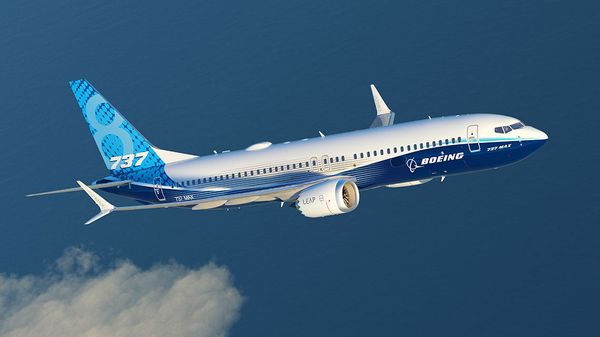
Boeing 737 MAX 10 certification has been pushed back once more, dealing another blow to the American planemaker. The Federal Aviation Administration says it will not sign off on the largest member of the MAX family until it is fully satisfied that a newly identified software problem does not pose a wider safety risk.
The delay comes just as Boeing was hoping to finally get the long-awaited aircraft approved, and it has once again cast a spotlight on the company’s troubled history with the MAX program.
Boeing Was Expecting Approval Soon
Boeing had been aiming for the MAX 10 to receive certification this month. Earlier in September, chief executive Kelly Ortberg told investors that the company expected to receive the green light for the variant in the near future.
That timeline now looks unlikely.
FAA Puts Safety First
At a press conference in Washington, D.C., on Monday, FAA Administrator Bryan Bedford confirmed that the agency has not yet determined whether the software issue affects flight safety. Until it has answered that question, certification of the MAX 10 will be on hold.
Bedford made it clear that safety, rather than any business deadline, will decide how long the process takes. The agency plans to spend as much time as needed investigating the software problem.
Investors React
The news hit Boeing’s share price hard. Following Bedford’s remarks, the company’s stock fell by around 7 percent, reflecting investor concern over yet another setback for an aircraft that has already faced years of delays.
The Software Problem Explained
Details about the issue surfaced over the weekend, including reports that Boeing had been aware of a potential software problem on certain MAX aircraft for about two years.
A Glitch During Go-Arounds
The concern involves the aircraft’s vertical navigation system. In some cases, the system may interfere when a plane misses its approach and has to perform a go-around, a manoeuvre in which pilots abort a landing and climb away to try again.
Go-arounds are a routine part of flying. They often happen when there is an obstruction or conflict on the runway, such as a runway incursion.
The Question of Pilot Workload
Pilots are trained to fly the aircraft without relying on this software, and they remain in control during every type of scenario. The main concern for regulators is whether dealing with the issue could place too much extra workload on flight crews at a critical moment.
Which Aircraft Are Affected
The problem is limited to a specific version of the software, known as U.14. Key points include:
- Only aircraft running the U.14 software are affected
- The MAX 7, which was certified last month, is the most recent model to use this software
- The FAA is closely examining the issue on these aircraft
- Boeing is working with Southwest Airlines and United Airlines to address any further concerns
Reverting to Older Software
Bedford confirmed that Boeing had already corrected earlier bugs in the system. However, because of the new issue, airlines using the updated software will need to switch back to the previous version until a fix is in place.
A Long History of Setbacks
The latest delay is part of a much longer and more painful story for Boeing’s MAX family.
Two Fatal Crashes
The MAX 8 was involved in two deadly accidents:
- The Lion Air crash in 2018
- The Ethiopian Airlines crash in 2019
Everyone on board both flights was killed. Investigators linked both disasters to problems with the aircraft’s flight control systems. As a result, the entire MAX fleet was grounded worldwide while the causes were examined.
The groundings, investigations and resulting reforms reshaped Boeing’s reputation and led to much tougher oversight from regulators.
Years of Waiting for the MAX 10
Boeing originally planned to begin delivering the MAX 10 to customers in 2020. However, safety concerns and ongoing regulatory scrutiny caused repeated delays, and the aircraft is now years behind schedule.
The MAX 10 is the last variant in the MAX family still awaiting certification.
Airlines Waiting on the MAX 10
A number of major airlines have placed significant orders for the MAX 10 and are counting on its arrival to expand their fleets. Customers include:
- Alaska Airlines
- United Airlines
- Delta Air Lines
- WestJet
- Pegasus Airlines
- Ryanair
For these carriers, each delay affects planning for routes, capacity and fleet replacement. Some airlines have already had to adjust their strategies because of the aircraft’s late arrival.
What This Means for Boeing
For Boeing, the timing could hardly be worse. The company has been working hard to rebuild trust after years of safety crises and to show that it has strengthened its engineering and quality controls.
Revelations that it may have known about the software issue for two years before it became widely public are likely to raise fresh questions about transparency. At the same time, the FAA’s firm stance shows that regulators remain determined to take a cautious approach.
What Comes Next
The immediate priority is for the FAA to determine whether the software issue represents a genuine safety risk and, if so, how it should be fixed. Only once the agency is satisfied will the MAX 10 move forward toward certification.
For airlines, passengers and investors, the message is clear: the MAX 10’s arrival will depend on safety, not on schedules. Boeing will be hoping this latest hurdle can be cleared quickly, but after years of delays, the company knows that regaining confidence requires getting every detail right.
Author