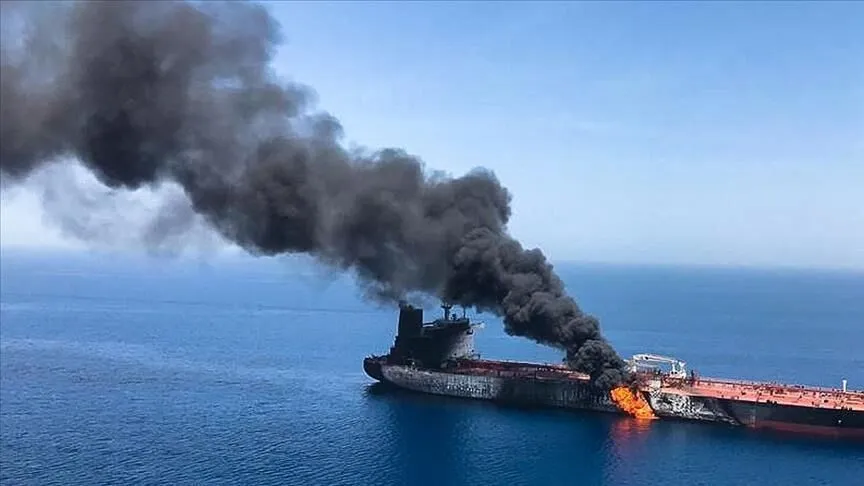
The Hormuz tanker attack off Qatar’s north coast has pushed an already tense situation closer to the edge. A British maritime security agency said a tanker was struck “by multiple projectiles” while sailing in the Gulf, about 500 kilometres west of the Strait of Hormuz, with an unknown number of casualties. The incident came just as Iran announced plans to shut a route that ships have been using to get around its blockade, and as oil climbed above 100 dollars a barrel.
A Record Run of Attacks
According to three maritime security sources, at least 12 attacks hit oil, LNG and LPG tankers around the strait in the week to October 5, the highest weekly level since the war began. The UK Maritime Trade Operations authority did not say where the latest vessel came from.
On Tuesday, India’s foreign ministry said 12 crew members were injured when a Panama-flagged tanker was attacked in the strait. A US Navy-led agency also reported continued attacks, attempted attacks and harassment by Iran’s Revolutionary Guards, including drone overflights and surveillance. It said these actions show Iran’s intent to assert a presence along key transit lanes and keep pressure on shipping.
Iran Targets the Bypass Route
Tehran said it would soon close transit routes it considers illegal, a reference to a southern pathway hugging Oman’s coast. Mohammadreza Naqdi, an adviser to the Guards’ commander, claimed the routes were created by blasting rocky passages and are used by small boats smuggling oil to tankers. He insisted the strait is closed and fully under Iranian control.
Two Very Different Accounts
The Guards deny that seaborne crude flows are recovering, with one adviser saying only about 10 ships a day pass through, compared with 125 before the war. Secretary of State Marco Rubio disputed this, saying Iran has lost complete control of the strait and that almost as much oil is flowing out as before the conflict. Gulf export data does show a recovery, though overall ship traffic remains well below pre-war levels.
Trump Rules Out a Pre-Election Strike
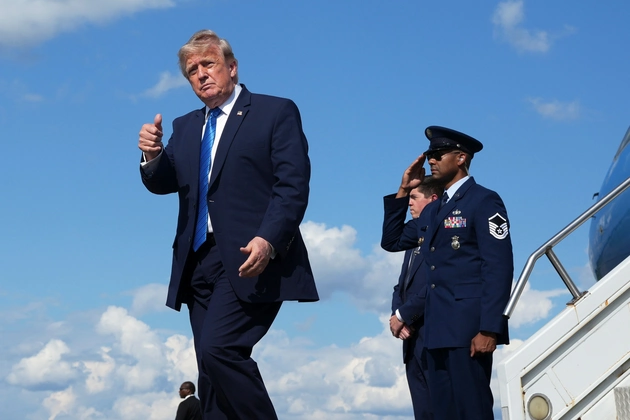
The stalemate is adding pressure on President Donald Trump. US media had reported he was weighing renewed military action in the coming weeks. On Thursday he said on social media that the US will not attack Iran before the midterm elections, while the blockade of Iranian ports stays fully in force. He claimed 22 million barrels moved through Hormuz in a single night, with none going to or from Iran. That figure has not been independently verified here.
A third US aircraft carrier left for the region last week, which could put three carriers there by the end of October. The US has not reported strikes on Iranian targets since September 1, though it occasionally fires on vessels linked to Tehran.
Why It Matters
Before the war, about a fifth of the world’s oil and liquefied natural gas passed through Hormuz. Americans are already facing high gasoline prices and soaring diesel costs, and the price spike adds to global inflation worries.
What to Watch Next
- Details on casualties and the tanker’s identity
- Whether Iran enforces its closure of the southern route
- How oil and diesel prices respond
- Whether Trump’s pledge holds through the midterms
The Bottom Line
Attacks on shipping are rising even as Washington insists the strait is open. With both sides claiming control, the safety of crews and the price of fuel now depend on which account proves closer to the truth.
Author