Trump Blames Immigration for France Riots, Warns Europe Must Close Borders or Collapse
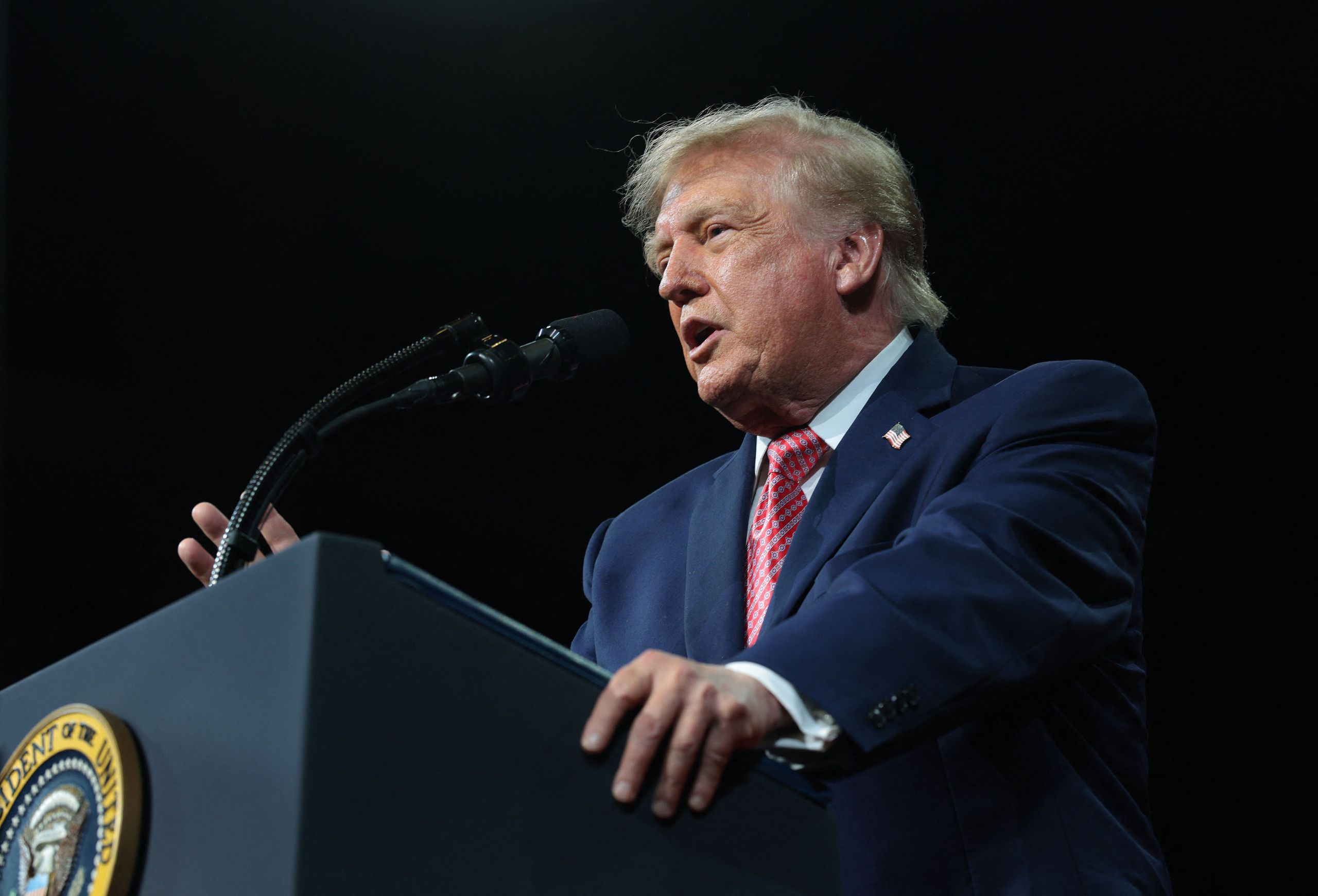
Trump France riots immigration remarks delivered outside the White House on Monday have added a transatlantic dimension to the unrest gripping French cities. The US president declared that Europe faces ruin unless its governments seal their borders and remove migrants he described as hostile to the countries hosting them.
Speaking to reporters on October 19, Trump offered a single explanation for the violence that has prompted curfews in parts of Paris and clashes elsewhere in France. In his telling, the cause is immigration, full stop.
“It’s Immigration, Not Schools”
Trump described the situation in France as deeply sad before laying out his diagnosis in blunt terms. The trouble, he insisted, stems from immigration rather than from schools, social policy or any other domestic factor. He repeated the point for emphasis, leaving no room for alternative readings.
The comment appeared designed to pre-empt explanations that French officials and analysts have put forward, which tend to focus on economic strain, youth unemployment, policing and the lingering effects of rising energy costs.
A Rebuke to Macron
The president’s remarks also functioned as a response to French President Emmanuel Macron, who has connected the disorder to pressure on household budgets from soaring energy prices and, more pointedly, to the broader consequences of American policy decisions. The US-led war in Iran has driven fuel prices sharply higher across Europe, and Macron has not been shy about drawing the link.
Trump brushed that argument aside. Describing Macron as a friend, he said he had warned the French leader long ago that his country was making a grave error by allowing people from across the globe to settle there. The entire world, in Trump’s words, was pouring into France.
The exchange captures a familiar pattern between the two leaders: public expressions of friendship paired with sharp disagreement on substance.
Europe “Finished” Without Closed Borders
Beyond France, Trump widened his warning to the continent as a whole. European nations, he argued, must close their borders and expel migrants who, in his characterisation, hate the countries they live in. Failure to act, he suggested, would leave Europe finished.
The language echoes themes Trump has used throughout his political career, both in domestic debates over the US southern border and in his commentary on European affairs. He has frequently portrayed European migration policies as a cautionary tale and has pointed to unrest in European cities as evidence for his position.
What Is Actually Happening in France
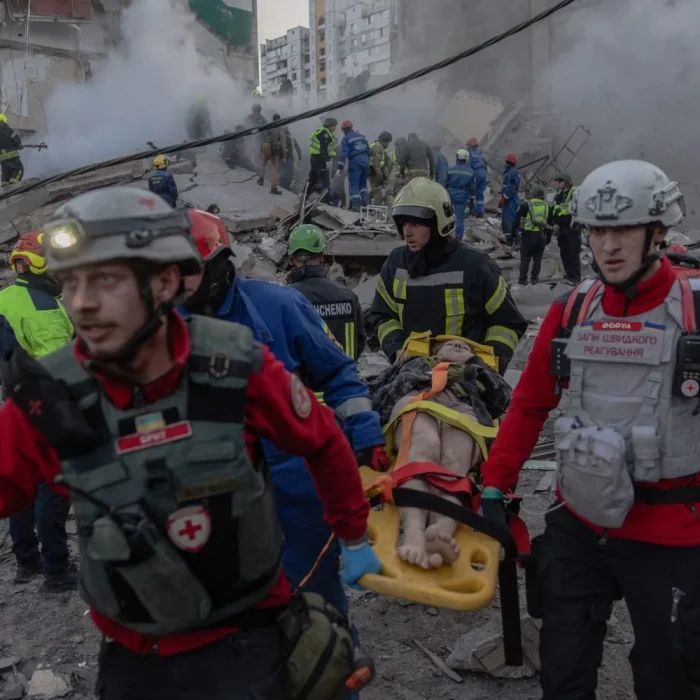
The backdrop to Trump’s comments is a period of serious disorder. French authorities have imposed overnight restrictions in parts of Paris, including the Place de la République and the Les Halles district, after nights of rioting. Demonstrations have spread to other cities, with reports of property damage, confrontations with police and arrests.
French officials have been cautious about attributing the unrest to any single cause. Among the factors cited in domestic debate are:
Sharply higher fuel and energy costs squeezing working families.
Longstanding tensions between police and residents of poorer neighbourhoods.
Frustration among young people facing limited economic prospects.
Political polarisation over immigration and national identity.
Immigration features in that conversation, but it sits alongside other explanations rather than replacing them, which is precisely the framing Trump rejected.
Competing Narratives
The clash between Trump and Macron reflects two very different ways of understanding the same events.
Trump’s position holds that uncontrolled migration imports social conflict, that integration has failed, and that restoring order requires restricting entry and removing those deemed hostile. Supporters of this view point to the demographics of some affected areas and to similar unrest in other European countries with large migrant populations.
Macron’s position, shared by many French commentators, treats the riots as the product of material pressures and social exclusion, with energy prices acting as a trigger. From this perspective, blaming immigration alone ignores the economic shock that has hit households across the country regardless of background, and conveniently deflects attention from the role of US foreign policy in driving up fuel costs.
Both sides can point to evidence; neither account is complete on its own.
Diplomatic Implications
Trump’s intervention is unlikely to be welcomed in Paris. Foreign leaders rarely appreciate being told the cause of their domestic crises, particularly when the explanation comes with a warning of national collapse. Macron, for his part, has shown a willingness to push back against Washington on matters ranging from trade to the Iran conflict.
At the same time, Trump’s comments will find a receptive audience among France’s own hard-right politicians, who have long argued that immigration lies at the root of the country’s social problems. The president’s words may embolden them as the political fallout from the riots unfolds.
Looking Ahead
For France, the immediate priority is restoring calm on the streets. The longer-term task of understanding why the unrest erupted, and what to do about it, will play out in the National Assembly, in the media and ultimately at the ballot box.
Trump’s verdict has already been delivered. Whether French voters agree with it, or with their own president’s account, will shape the country’s politics for months to come.
Author