Italy Deploys Troops to Milan and Toughens Riot Laws After Cost-of-Living Protests Turn Violent
Italy protests security measures approved on Tuesday mark the government’s most forceful response yet to a weekend of looting and street clashes in the country’s prosperous north. Prime Minister Giorgia Meloni’s cabinet signed off on sending soldiers into Milan, creating a new criminal offence for violent demonstrators and making parents financially responsible when their children join in vandalism.
The package, which takes effect immediately, reflects mounting alarm in Rome at unrest fuelled by the same pressures rattling governments across Europe: surging fuel and energy bills, unaffordable rents, stagnant wages and strained public services.
What the Cabinet Approved
The measures fall into three broad categories.
Military deployment. Five hundred troops will be sent to Milan, Italy’s financial hub and the epicentre of the weekend’s disorder. The Ministry of Defence said their role will be to reinforce security at important sites, intensify surveillance of sensitive locations and improve overall monitoring.
New criminal penalties. A fresh offence now covers violent participation in demonstrations. Anyone who joins a group of five or more people and endangers public safety during a protest can face up to five years in prison and a fine of as much as €20,000. The penalties rise further if participants hide their faces or if anyone is injured.
Financial accountability. Authorities may order swift compensation for damage caused during riots. Where the offender is a minor, parents can be held liable for the cost.
Expanded Powers Over Young People
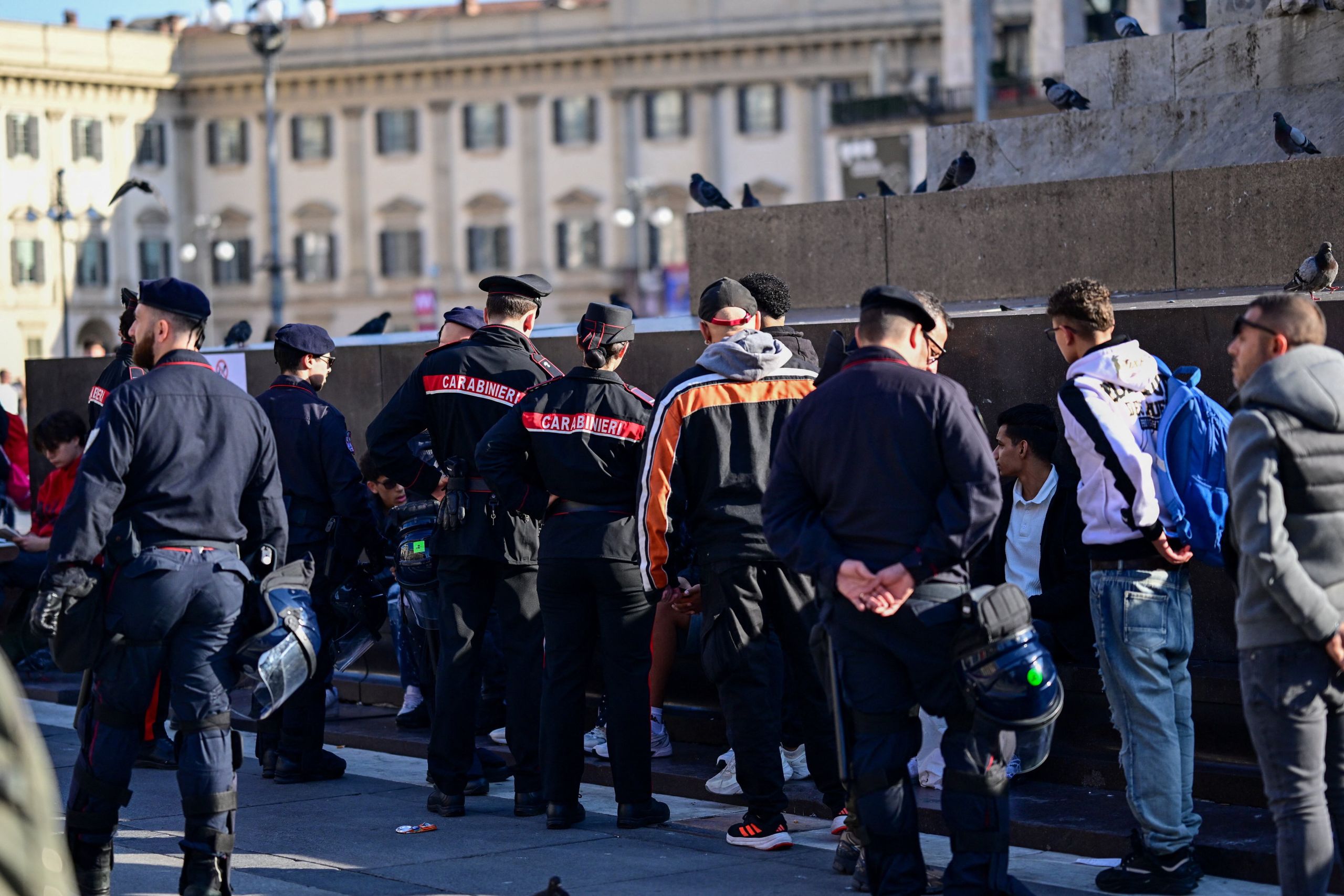
One of the more contentious provisions concerns teenagers. Police will now be permitted to detain youths aged 14 to 17 even if they have not committed an offence, as long as there is evidence they pose a danger. Until now, that preventive power applied only to adults.
The change responds directly to the profile of those involved in the weekend’s violence, which officials say was dominated by young people who smashed shop windows, looted stores and fought with police in Milan and other northern cities.
Where the Government Pulled Back
The cabinet had been expected to go further by granting soldiers the authority to carry out policing duties. That proposal was dropped following objections from President Sergio Mattarella, according to Italian media reports.
The president’s intervention underlines the sensitivity of using the armed forces for domestic public order in a country with a strong constitutional tradition of keeping the military separate from policing. Troops will support security operations but will not themselves arrest or detain civilians.
Meloni’s Message
The prime minister framed the crackdown in stark terms. In a social media post after the cabinet meeting, she drew a sharp line between legitimate protest and criminal behaviour, insisting that destruction and theft do not count as protest and that the state must answer firmly.
Her stance plays to a core constituency that prizes law and order, but it also risks alienating voters who sympathise with the grievances behind the demonstrations even if they reject the violence.
Why People Are Angry
The protests did not emerge from nowhere. Italians, like many Europeans, have been hit by a sharp rise in the cost of living that has eroded household budgets across income groups. The main complaints voiced by demonstrators include:
Fuel and energy prices that have climbed steeply amid instability in the Middle East.
Rents in major cities that have outpaced wage growth for years.
Low pay, particularly for younger workers and those in precarious employment.
Deteriorating public services, from healthcare to transport.
Protesters argue that these pressures are pushing families toward poverty, a charge that carries political weight with national elections due in 2027.
Echoes From Across the Alps
The disorder in northern Italy closely mirrored events in neighbouring France, where hundreds of thousands of people took to the streets on Saturday in some of the most violent turmoil the country has seen in years. The parallel is not lost on Italian officials, who are keenly aware that unrest can spread quickly across borders when the underlying grievances are shared.
A Second Front in the South
Meloni’s government is simultaneously contending with a different form of protest in the south. Truck drivers angered by the soaring cost of diesel have set up roadblocks that are disrupting supply chains and threatening to push prices higher still. The blockades are less visually dramatic than the Milan riots but potentially more economically damaging if they persist.
Together, the two waves of protest present the government with a challenge from both ends of the country and from very different constituencies.
The Political Calculation
Meloni faces a delicate balancing act. A tough response to looting and violence is popular and consistent with her political brand. But the measures approved on Tuesday address the symptoms of discontent rather than its causes. Soldiers in Milan and harsher sentences will not lower energy bills or raise wages.
With elections approaching, the government will need to demonstrate that it can ease the economic squeeze as well as restore order. Critics on the left have already argued that the crackdown is a distraction from the government’s failure to tackle living costs, while some on the right may question whether the measures go far enough.
What to Watch
The coming days will test whether the troop deployment and new laws deter further violence or inflame it. Equally important is whether the roadblocks in the south ease or escalate, and whether the government pairs its security response with relief for struggling households.
For now, Italy has chosen firmness. Whether that is enough to calm a restive country will become clear soon.
Author