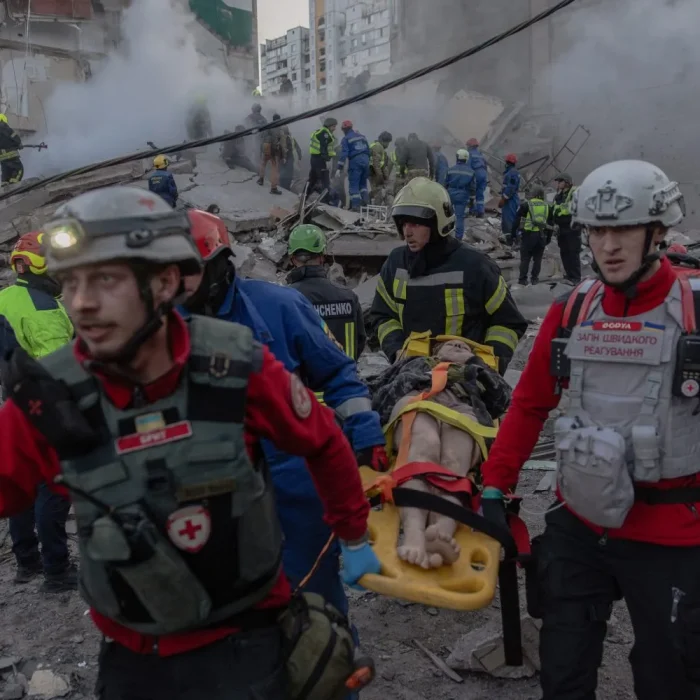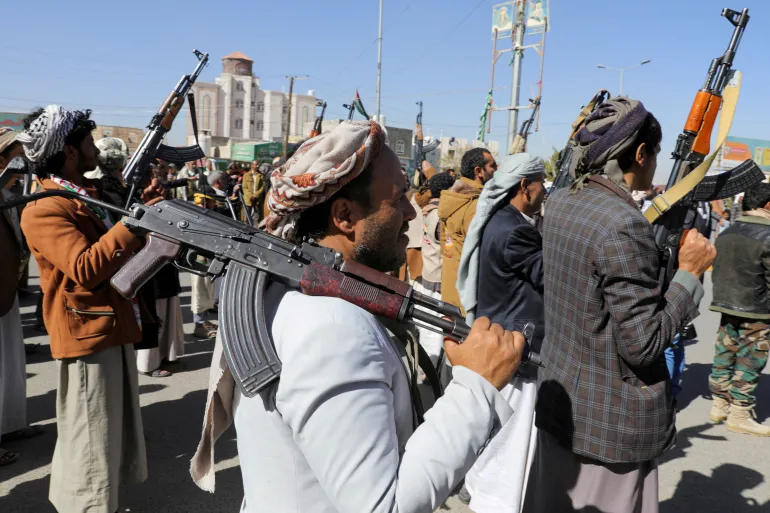
The Iran-U.S. conflict took a dangerous turn this week as both nations launched a new wave of attacks early Thursday, deepening fears that the long-running hostilities could spiral back into open warfare. The fresh exchange came shortly after President Trump pledged to maintain heavy military pressure on Tehran, insisting that force was the path to securing a peace agreement.
After four months of fighting, the latest strikes have pushed the situation into uncertain and increasingly volatile territory.
A War Threatening to Reignite
What had settled into an uneasy standoff is once again flaring into active combat. The renewed back-and-forth airstrikes this week have raised the possibility of a new and more perilous chapter in the conflict, with few signs that either side is ready to step back.
Analysts watching the region warn that the absence of any clear de-escalation framework makes the coming days especially unpredictable. Each retaliatory strike appears to invite another, and neither Washington nor Tehran seems willing to be the first to pull away.
Missiles Over Jordan
The spillover effects of the conflict are already reaching neighboring countries. Jordan’s military reported that its air defense systems intercepted and destroyed 20 missiles fired from Iran toward the Azraq region on Thursday. According to a statement carried by state media, there were no casualties and no property damage from the incident.
The strikes appeared aimed at a specific target. Earlier that same day, Iranian forces claimed they had launched 12 missiles at a U.S. military base located in Azraq. This was not the first time the area had been hit. During the previous day’s exchange, Iran had also directed missiles toward the same location, home to a Jordanian air base that American forces have reportedly used to support their operations in the region.
The repeated targeting of this site underscores how closely tied regional allies have become to the broader confrontation, often placing them directly in harm’s way.
Tragedy at Sea: Indian Sailors Confirmed Dead
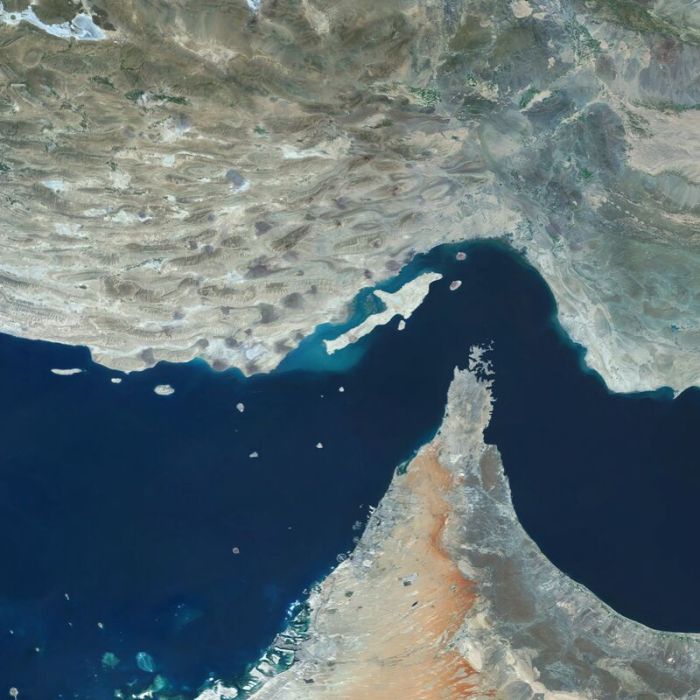
The conflict has also claimed civilian lives far from the front lines. Three Indian sailors who went missing after a U.S. strike on the tanker Settebello in the Gulf of Oman have now been confirmed dead. India’s shipping minister, Sarbananda Sonowal, delivered the grim confirmation on Thursday.
The U.S. military defended the strike, stating that the vessel was hit on Wednesday because it had breached the American naval blockade imposed on Iran. The justification did little to ease tensions with India, however.
In response to the deaths, the Indian government summoned a senior U.S. diplomat to lodge a formal protest over the attack. Adding to the concern, the Settebello marked the second ship carrying Indian crew members to be struck in recent days, raising serious questions about the safety of commercial vessels operating in contested waters.
For India, the incident is more than a diplomatic dispute. It highlights the human cost borne by ordinary workers caught between two warring powers, often through no fault of their own.
Civilians Caught in the Crossfire
The dangers are not limited to the seas or military installations. In Bahrain, the interior ministry reported that falling debris from intercepted Iranian drones caused real harm on the ground.
An 11-year-old girl was injured when wreckage from the interceptions came down over populated areas. The debris also damaged several vehicles and homes across the capital, Manama, as well as in Hamad Town.
Incidents like these reveal an uncomfortable truth about modern aerial warfare: even successful interceptions can carry deadly consequences. When missiles and drones are shot down, the falling remnants still pose a serious threat to anyone below.
Why This Moment Feels Different
Several factors make the current escalation particularly worrying:
- Direct exchanges: Rather than relying on proxies, the U.S. and Iran are now trading strikes directly, removing a traditional layer of buffer.
- Regional spillover: Countries like Jordan and Bahrain are increasingly affected, drawing more players into a conflict that risks widening.
- Civilian harm: From Indian sailors to a child in Bahrain, the toll on noncombatants is mounting.
- No clear off-ramp: Neither side has signaled a willingness to negotiate from a position of restraint, leaving little room for diplomacy.
What Comes Next
President Trump’s strategy of applying relentless pressure rests on the belief that Tehran will eventually come to the table on Washington’s terms. Yet history suggests that intensified strikes can just as easily harden an adversary’s resolve as soften it.
For now, the cycle of attack and counterattack continues, with each round raising the stakes. Whether cooler heads can prevail, or whether the region is sliding toward a full-scale war, remains the defining question of the moment.
As the situation evolves, the world watches anxiously, hoping that a path toward de-escalation emerges before the human and geopolitical costs climb even higher.
This is a developing story. Details may change as new information becomes available.
Author