




Oslo Talks Put Ukraine Peace Process ‘Back on Track’ as Witkoff Heads to Russia With New Proposals
Ukraine peace talks Oslo produced a rare note of optimism on Tuesday, with Volodymyr Zelenskyy confirming that American intelligence on Russian missile strikes is flowing again and US envoy Steve Witkoff preparing to carry fresh proposals to Russia the following day.
The meeting in the Norwegian capital, hosted by Prime Minister Jonas Gahr Støre and attended by Finland’s President Alexander Stubb, came after weeks of friction between Kyiv and Washington. By its close, participants were describing a process that had been quietly rebuilt and was ready to be tested in St Petersburg.
What Was Discussed
The agenda covered the most difficult questions in any eventual settlement:
Possible ceasefire arrangements, including the fragile energy truce that collapsed earlier this month.
Energy issues, with Ukraine’s strikes on Russian refineries and Russia’s bombardment of the Ukrainian grid both in play.
Security guarantees for Ukraine, the issue Kyiv regards as essential to any lasting peace.
Støre said afterwards that Witkoff would travel to St Petersburg on Wednesday to present Russia with new ideas developed in consultation with Ukraine and its European partners. The sequencing matters: Kyiv has repeatedly feared being presented with terms agreed between Washington and Moscow, and this time the proposals were shaped with Ukrainian input first.
Intelligence Sharing Resumes
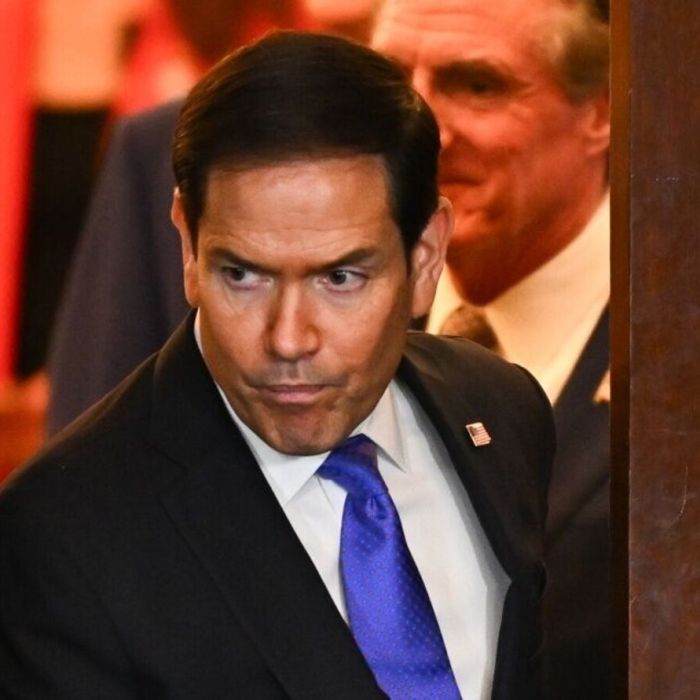
For Zelenskyy, one concrete outcome stood out. After discussions with Secretary of State Marco Rubio, he confirmed that Ukraine is once again receiving US intelligence about incoming Russian strikes.
That flow had been interrupted in recent weeks, leaving Ukrainian cities more exposed to missile and drone attacks. Zelenskyy had earlier complained that Russia struck without any warning from the United States. Its restoration is a practical relief for air defence operators and a political signal that the relationship, while strained, is functioning.
Zelenskyy expressed gratitude that the arrangement “works now,” a phrase that captured both appreciation and an implicit reminder that it had not been working before.
Only the Leaders Can Finish This
The Ukrainian president also offered a view of how a final deal might come together. Some outstanding questions, he suggested, are so weighty that only heads of state can resolve them. That points toward a trilateral summit bringing together Donald Trump, Vladimir Putin and himself.
Such a meeting would mark a dramatic departure from the current format of envoys shuttling between capitals. It would also carry risks for Zelenskyy, who has been on the receiving end of harsh public criticism from Trump in recent weeks and would be sitting across from the leader of the country that invaded his own.
Still, Zelenskyy was emphatic on two points. Ukraine wants peace more than anyone, he said, and nothing concerning Ukraine can be decided without Ukraine at the table.
Finland’s Verdict: A Good Day
Stubb, who has emerged as one of Europe’s most active voices on the war, was notably upbeat. He described Tuesday as a good day for peace and said the process was back on track after what he called considerable progress made under the radar over the preceding week.
He acknowledged that ending Russia’s war of aggression is the top priority of the American administration, and framed the European role as working alongside Washington rather than in competition with it.
The real test, in his words, would be what messages Witkoff manages to extract from St Petersburg. Tuesday was a success; Wednesday would be a new day. His hope was that nobody would backtrack.
Why This Matters Now
The Oslo meeting took place against a backdrop of unusual tension between Kyiv and Washington. Trump has publicly pressed Zelenskyy to accept a deal, called him difficult to work with, and struck a diesel arrangement with Putin that Ukraine views as funding the Russian war effort. Ukraine’s access to the Starshield satellite network was throttled, hampering drone operations. Sanctions on Russia were paused.
Against that sequence, Tuesday’s outcomes represent a partial repair. Intelligence is restored. Ukraine has helped shape the proposals going to Moscow. European leaders are engaged and supportive. None of this guarantees a settlement, but it restores a measure of the coordination that had broken down.
The Road to St Petersburg
Everything now hinges on Russia’s response. Witkoff’s meetings in St Petersburg will reveal whether Moscow sees the new proposals as a basis for negotiation or dismisses them as it has previous initiatives. Zelenskyy said he hoped to hear Russia’s answer the next day.
Several scenarios are possible:
Russia engages constructively, opening the door to further technical talks and eventually a leaders’ summit.
Russia offers a partial or conditional response, prolonging negotiations without a breakthrough.
Russia rejects the proposals outright, returning the process to stalemate and raising questions about what leverage remains.
Past experience counsels caution. The energy ceasefire announced with fanfare earlier this month unravelled within days because Russian strikes never stopped and Moscow never confirmed it had agreed to anything.
The Bottom Line
Oslo did not produce peace, and no one claimed it had. What it produced was a reset: restored intelligence sharing, a set of proposals with Ukrainian fingerprints on them, and a European consensus that the process is worth pursuing. Whether that momentum survives contact with the Kremlin will become clear within days.
Author