India Backs UN Resolution Demanding End to US Embargo on Cuba as Tensions Flare at General Assembly
India votes against US embargo on Cuba once again, joining an overwhelming majority of the world’s nations in calling on Washington to dismantle the trade and financial restrictions it has kept in place against the island for more than sixty years. The vote, held at the United Nations General Assembly on Wednesday, October 28, also came a day after an extraordinary confrontation between American and Cuban diplomats that forced the session to be suspended.
A Lopsided Vote at the General Assembly
The 193-member body adopted the measure by a wide margin. In total, 130 countries supported the resolution, 17 opposed it, and 25 chose to abstain.
The text, formally titled “Necessity of ending the economic, commercial and financial embargo imposed by the United States of America against Cuba,” has been brought before the Assembly year after year, and each time it has drawn strong support. Still, it is worth noting that resolutions of this kind carry moral and political weight rather than legal force. The General Assembly cannot compel the United States to change its policy.
India’s Position Explained
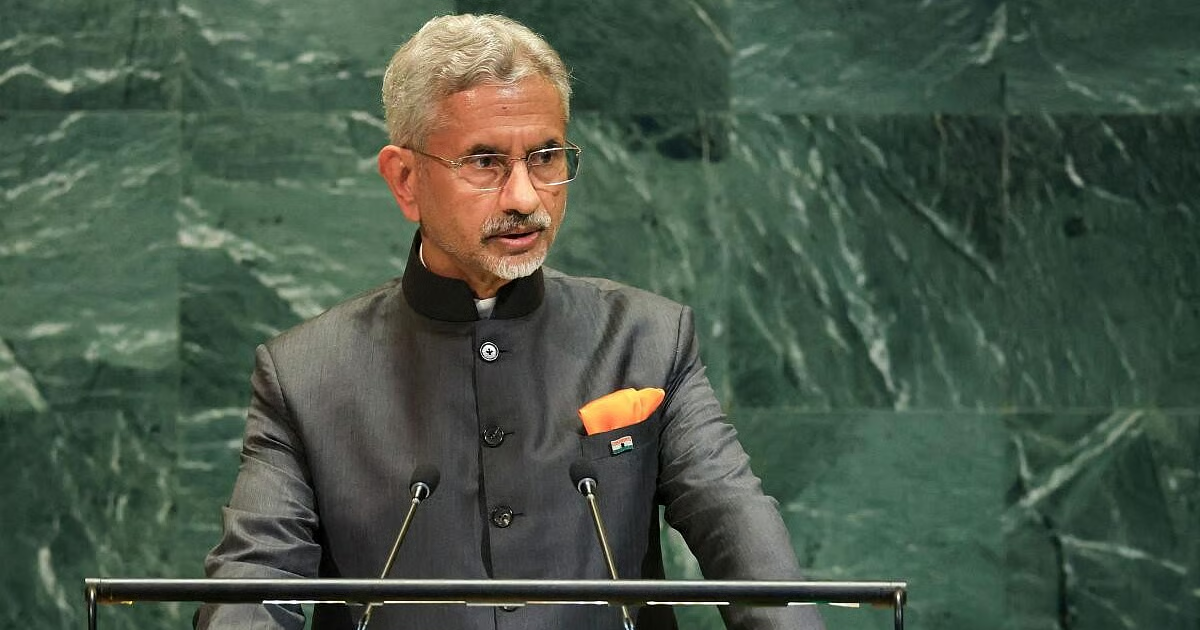
Speaking for India, Soumya Nair, a Counsellor at the country’s Permanent Mission to the UN, laid out New Delhi’s reasoning in clear terms. She pointed out that the Assembly has repeatedly objected to the embargo and has consistently rejected laws whose reach extends beyond national borders in ways that undermine the sovereignty of other countries and the wellbeing of their citizens.
India, she said, echoes the Assembly’s appeal for all states to avoid enacting or enforcing such measures, and to withdraw any that already exist, in line with their duties under the UN Charter and broader international law.
Nair framed the decision as part of a larger worldview. India’s faith in multilateral institutions, she explained, rests on the conviction that global problems are best resolved through conversation and diplomacy rather than coercion. It is in that spirit that India votes against US embargo on Cuba, hoping the restrictions will be removed quickly so that Cubans can engage more freely with the international community and chase their own development goals.
The Human Cost on the Island
Drawing on findings from the UN Secretary-General, Nair painted a stark picture of life under the embargo:
- More than 60 percent of essential medicines are unavailable in Cuba’s health system.
- Food output has fallen by over half in just five years.
- Limits on fuel shipments have deepened an already serious energy emergency.
Those fuel shortages, she noted, ripple outward into nearly every corner of daily life. Hospitals, schools, water networks, food distribution, and public transport have all been disrupted as a result.
Six Decades of Hostility
The roots of the dispute stretch back to 1959, when Fidel Castro’s revolution toppled a government that had enjoyed American support and steered Cuba into the Soviet orbit. Washington responded with sweeping sanctions and a trade blockade designed to squeeze the communist leadership, and those measures have remained largely intact ever since.
Havana has long argued that the embargo is the primary cause of its economic misery, blaming it for rolling blackouts, chronic fuel scarcity, and widespread poverty. Washington, for its part, maintains that the island’s own governance is responsible for its hardships.
Chaos in the Chamber
The vote itself was overshadowed by a remarkable scene the day before. On Tuesday, October 27, as US Ambassador Mike Waltz addressed the Assembly on the Cuba question, Cuban Foreign Minister Bruno Rodriguez Parrilla and members of his delegation left their seats and advanced toward the podium to challenge him directly.
Waltz stepped back from the lectern and demanded that the Cuban minister retreat. Addressing the chair, he said the individual needed to move away, adding that he would not be intimidated in his own country the way Cuba’s government intimidates political prisoners. A heated exchange followed, and General Assembly President Khalilur Rahman ultimately halted the proceedings.
Waltz’s Accusations
Afterward, Waltz offered his account of what triggered the clash. He said he had asked why Cuba’s leaders travel to the UN to describe their people’s suffering while, in his words, living in luxury with expensive watches, yachts, mansions, and private islands as ordinary Cubans go hungry and sit without electricity.
The Cuban delegation, he claimed, reacted by banging on desks, shouting across the hall, rushing the podium, and even physically assaulting an American diplomat. He characterized the behavior as a breach of the Host Country Agreement that governs the conduct of foreign missions in New York, and said the Cuban diplomat involved would be sent back to Havana.
Anyone who lays hands on an American diplomat inside the UN, Waltz warned, should expect consequences.
What the Vote Signals
For India, the decision continues a well-established pattern of support for Cuba at the UN and reflects a broader discomfort with unilateral sanctions that reach across borders. For the wider international community, the 130-to-17 tally underscores how isolated Washington remains on this particular issue, even among countries that are otherwise close American partners.
Whether the vote changes anything on the ground is another matter. Past resolutions have not moved US policy, and the bitter exchange between Waltz and Rodriguez Parrilla suggests the two governments are, if anything, drifting further apart. For Cubans facing empty pharmacy shelves and dark evenings, relief seems no closer than it was a year ago.
Author