





Israel Election Results 2026: Netanyahu’s Bloc Leads With 53 Seats but Falls Short of a Majority
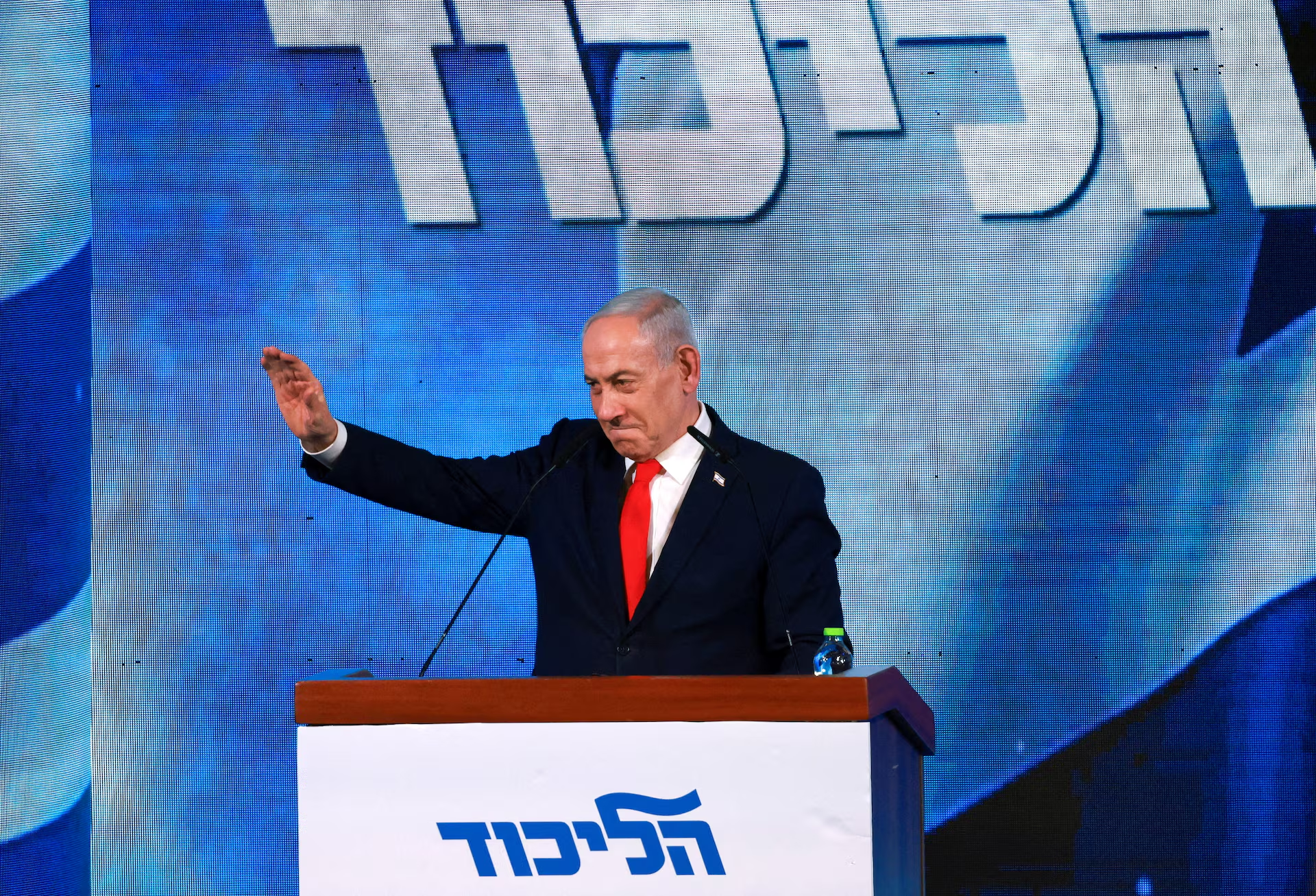
The Israel election results 2026 are now final, and they paint a picture of a deeply divided country. After every ballot was tallied, Prime Minister Benjamin Netanyahu’s bloc finished with 53 seats, the rival camp led by Gadi Eisenkot secured 48, and the Arab-led parties claimed a record 19. No side reached the 61 seats needed to control the 120-member Knesset, which means the real battle, forming a government, is only just beginning.
Final Numbers Confirmed by the Elections Committee
The Central Elections Committee released the complete count in the early hours of Friday. The figures will be formally handed to President Isaac Herzog on Wednesday, once the committee wraps up any remaining checks into errors or complaints filed by the parties.
After receiving the results, Herzog will begin the customary round of consultations, meeting each party leader to hear whom they recommend to assemble the next coalition. That recommendation process is the first formal step on the road to a new government.
Record-Breaking Turnout
One of the most striking elements of the Israel election results 2026 is how many people showed up. Turnout reached 77.9 percent of eligible voters, the strongest participation the country has seen in decades. In total, 5,716,665 ballots were cast.
High turnout often signals an electorate that feels the stakes are unusually high, and this election appears to fit that pattern. Both camps spent the campaign framing the vote as a decisive moment for the country’s direction.
How the Knesset Seats Break Down
Here is the full distribution of seats among the parties that crossed the threshold:
- Likud: 27
- Yashar: 21
- B’Yachad: 12
- Joint List: 11
- The Democrats: 8
- Ra’am: 8
- Yisrael Beytenu: 7
- United Torah Judaism: 7
- Otzma Yehudit: 7
- Shas: 6
- Religious Zionism: 6
Likud remains the single largest party, but its lead over Eisenkot’s Yashar is narrower than many in Netanyahu’s camp would have hoped.
Parties That Missed the Threshold
Israel requires a party to win at least 3.25 percent of the national vote to enter parliament, and several contenders fell short:
- Yoaz Hendel’s Reservists-Economic party drew 2.63 percent, close but not enough.
- Ofer Winter’s People of Israel managed only 1.7 percent.
- The Charedi Public, a long-shot movement pitching a different path for Israel’s ultra-Orthodox communities, barely registered at 0.2 percent.
Votes for these parties are effectively discarded, which can have an outsized effect on the final seat math. Hendel’s near miss, in particular, represents a chunk of ballots that produced no representation at all.
A Sharp Decline for the Governing Coalition
The parties that made up the outgoing government held 68 seats in the previous Knesset. Their drop to 53 marks a substantial loss of ground and leaves Netanyahu well short of the majority he enjoyed before.
Even so, the opposing bloc cannot simply claim victory. Eisenkot’s camp, at 48 seats, is further from 61 than Netanyahu’s. The arithmetic is awkward for everyone.
Arab Parties Reach an All-Time High
The Joint List and Ra’am together won 19 seats, nearly doubling their previous total of 10 and setting a new record for Arab-led representation in the Knesset.
On paper, those 19 seats could hand the anti-Netanyahu bloc a comfortable majority. In practice, that path is largely blocked. Nearly every Zionist party in the opposition camp, with The Democrats as the lone exception, has publicly ruled out partnering with either Ra’am or the Joint List. Unless those positions soften during negotiations, the record Arab result may translate into influence from the outside rather than seats at the cabinet table.
Fraud Allegations Dismissed
The election was not without controversy. Reports circulated on Thursday suggesting a possible Qatari effort to sway the vote, and the committee’s chairman instructed the Shin Bet security service to examine suspicions of foreign interference.
Acting committee director Dean Livne was blunt in his response, describing the day’s reports as completely without basis. He stressed that whatever the inquiry finds, it will have no bearing on the results delivered to the president and does not target any specific group within the population. The committee repeated that position in its Friday statement alongside the final count.
What Comes Next
The new Knesset is scheduled to be sworn in on November 10, and that date holds regardless of how coalition talks unfold. The talks themselves are widely expected to be difficult and could drag on for more than two months, given that neither bloc is anywhere near a majority.
Herzog has already signaled his concern. Speaking on Wednesday, he pressed party leaders to do everything in their power to prevent yet another election and asked them to arrive at consultations willing to consider options they might normally reject.
Both Netanyahu and Eisenkot have insisted they will be the one to build the next government. With the numbers as they are, at least one of them will need to find partners from unexpected places.
The Shadow of Past Deadlocks
This vote comes four years after the end of a turbulent stretch in which Israelis went to the polls five times over roughly three years. The first four of those elections failed to produce a stable government, leaving the country in prolonged political limbo.
That history explains the urgency behind Herzog’s appeal. Many Israelis are weary of repeated campaigns, and the Israel election results 2026 have revived fears of another cycle of stalemate. Whether party leaders can break the deadlock this time, or whether voters will be asked to return to the ballot box once again, is the question now hanging over Jerusalem.
Author