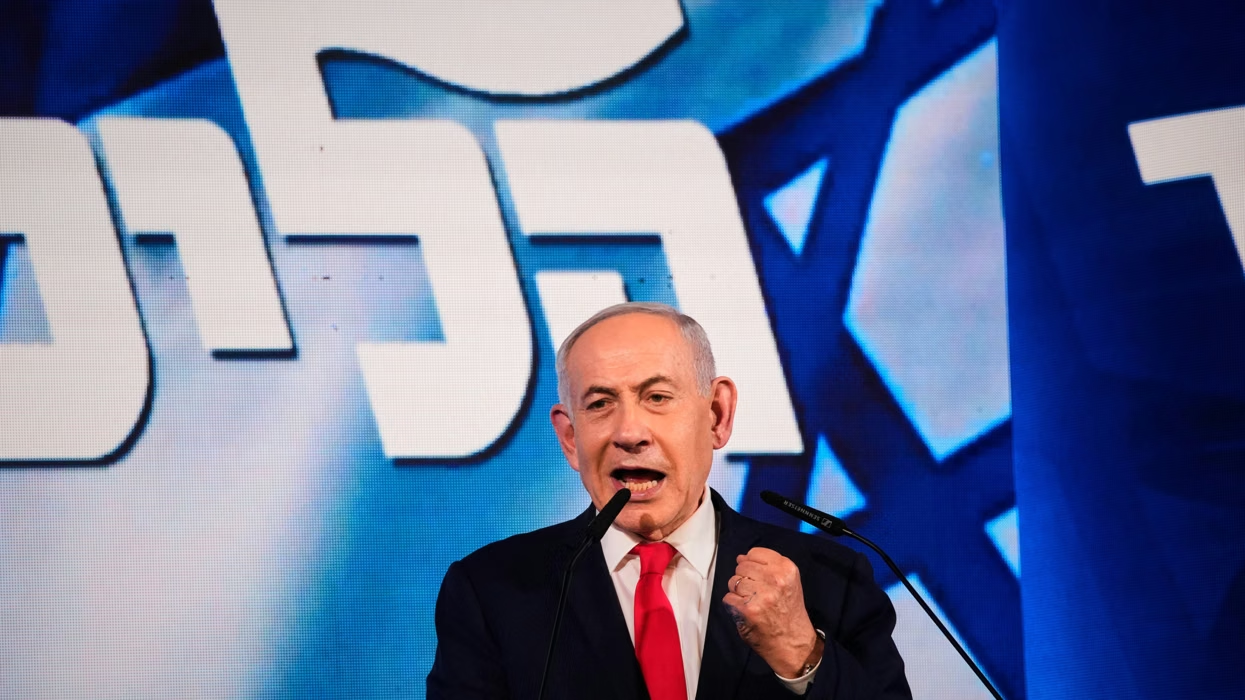
In a historic move, Arab-led parties in Israel, led by veteran lawmaker Ahmad Tibi of the Arab Joint List, have expressed their willingness to break with precedent and support Jewish-led parties in their bid to end Prime Minister Benjamin Netanyahu’s long rule. However, this potential partnership faces significant political challenges for both sides.
For the Arab Joint List, supporting an anti-Netanyahu government would mean backing a coalition that is unlikely to end Israel’s wars or curb settlement expansion in the occupied West Bank. On the other hand, Jewish-led parties would need to align themselves with parties that not only criticize Israeli policies but also reject Israel’s identity as a Jewish state.
Tibi stated that the Joint List is willing to support an anti-Netanyahu government without joining it, which could reassure Jewish-led factions and satisfy their own constituents while still giving the Arab parties significant influence. He emphasized that if Jewish-led parties reject such a partnership, it would prove that Israel is “an ethnocracy, not an absolute democracy for all citizens.”
The Joint List’s positions, which include rejecting Israel’s identity as a Jewish state and calling for equal rights for all citizens, put it at odds with most Israelis. Many Jewish Israelis have historically viewed Arab-led political parties with suspicion, a sentiment that Netanyahu has encouraged by lodging unproven accusations of electoral fraud against these parties.
This creates a dilemma for Netanyahu’s main opponents, led by former general Gadi Eisenkot. While some of Eisenkot’s allies welcome Arab support, others are opposed, citing past statements by Joint List leaders that they argue deny Israel’s legitimacy or support its enemies.
Tibi acknowledged that a partnership with Netanyahu’s opponents would not end the wars or bring about a Palestinian state. However, he believed that a “repair government” would improve the lives of Palestinian citizens by ending Netanyahu’s rule and addressing local issues like violent crime in Arab communities.
Eisenkot has stated that Arab-led parties must meet certain conditions in any partnership, such as calling Hamas a terrorist group that needs to be destroyed. Tibi argued that these conditions do not apply to parties like the Joint List that want to provide outside support.
The election result has turned the “Bibi or Tibi” slogan, used by Netanyahu to warn voters against relying on Arab-led parties, on its head. Tibi noted that the high voter turnout among Arab citizens has made “Tibi” a key player in the formation of the next government.
As negotiations continue, the potential partnership between Arab-led parties and Jewish-led factions in Israel faces significant challenges. The success of this historic collaboration will depend on the willingness of both sides to compromise and find common ground in their shared goal of ending Netanyahu’s long rule.
Author