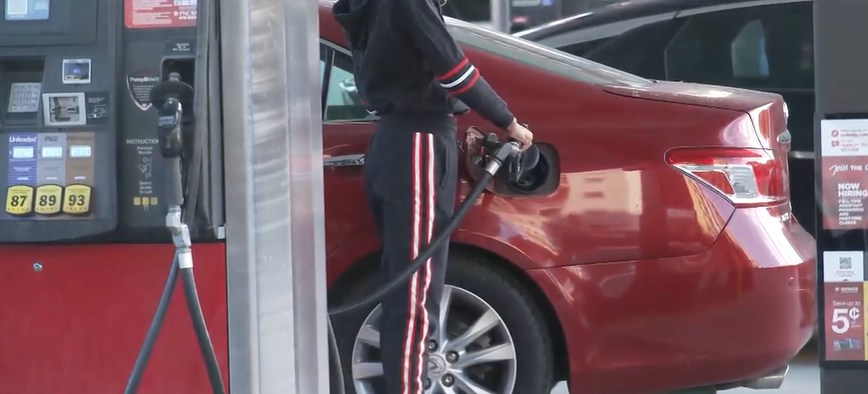
There’s a number that has a way of making every American’s stomach drop when they pull into a gas station — and this week, that number made an unwelcome comeback. For the first time in more than three years, the national average price of gasoline in the United States has crossed the $4 per gallon mark, driven by a crisis unfolding thousands of miles away that is sending shockwaves through the global energy system. For millions of ordinary Americans already stretched thin, the timing could not be worse.
How We Got Here: A War, a Strait, and a Surge at the Pump
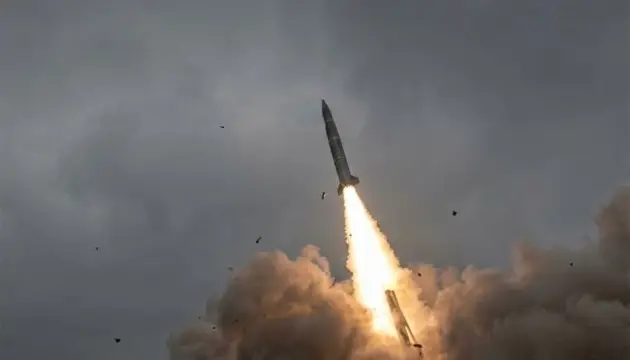
The roots of this fuel crisis trace back to the end of February, when the United States and Israel launched military strikes against Iran. What followed was swift and severe — Iran moved to block shipping through the Strait of Hormuz, one of the most strategically critical waterways on the planet, through which a significant portion of the world’s oil supply passes every single day. The effect on global energy markets was immediate and brutal.
Since those strikes, U.S. national average retail gasoline prices have shot up by roughly $1.06 per gallon — a 36% increase in just one month. According to price-tracking service GasBuddy, the monthly rise recorded in March is the steepest in their data going all the way back to the year 2000. To find the last time Americans paid this much at the pump, you have to go back to August 2022 — when Russia’s invasion of Ukraine sent energy markets into a similar tailspin.
The Psychological Barrier Nobody Wanted to Break
Among energy analysts and economists, the $4 per gallon mark has long been considered something of a psychological threshold — a number that, once crossed, changes how consumers feel about their finances, their spending, and their government. It signals that the pain is real, visible, and unavoidable. You feel it every time you fill up. You feel it in the grocery store. You feel it everywhere, because fuel costs ripple through the entire economy.
This time around, American households were already under pressure from rising costs well before the war in Iran pushed gas prices higher. For many families, this latest spike isn’t just an inconvenience — it’s a genuine strain on the monthly budget.
Oil Above $100 a Barrel — and No Relief in Sight
The situation at the pump is being driven by what’s happening in the broader crude oil market. On Monday, U.S. oil futures settled above $100 a barrel — up around $33 a barrel since the conflict began — and prices remained near that level into Tuesday with no signs of meaningful relief. Analysts at Societe Generale put it bluntly, warning that oil prices now face a “higher-for-longer baseline” as long as tensions in the Middle East continue to escalate.
Macquarie analysts had already flagged the economic consequences heading into the week, noting that a sustained surge past $4 a gallon would ripple into broader inflation data and could even nudge nominal spending growth higher in the short term. In other words, this isn’t just a problem at the gas station — it’s a problem for the entire economy.
Trump’s Energy Promise Meets a Hard Reality
For President Donald Trump, the $4 milestone is more than just an economic headache — it’s a political one. Trump had made lowering energy prices a centerpiece of his second-term agenda, pledging to ramp up U.S. oil and gas production and deliver relief to American consumers. Instead, much of his second term so far has been defined by volatile markets, geopolitical turbulence, and shifting policies on everything from tariffs to trade.
With Republican lawmakers already navigating thin majorities in both houses of Congress ahead of November’s midterm elections, rising fuel costs add another layer of pressure to an already complicated political landscape. Cheap gas is something voters notice. Expensive gas, they really notice.
Government Steps In — But It May Not Be Enough
The Trump administration has not been standing idle. In an effort to ease the pressure on domestic fuel supply, the White House issued a waiver of the Jones Act — a longstanding U.S. shipping law that normally restricts the movement of goods between American ports to U.S.-flagged vessels. The temporary waiver opens the door to foreign-flagged ships carrying fuel, fertilizer, and other essential goods between domestic ports, in theory helping to ease supply bottlenecks.
However, with crude oil prices continuing to climb on fresh signs of escalation in the Middle East, these measures have so far done little to meaningfully tame prices at the pump. The crisis, it seems, is bigger than any single policy fix.
Is There a Light at the End of the Tunnel?
Not everyone is forecasting a prolonged nightmare. Some analysts believe this crisis, while sharp and painful, may prove shorter-lived than the 2022 energy shock triggered by the Ukraine war — which dragged on for months and kept prices elevated well into the following year. The hope is that diplomatic channels open, shipping routes stabilize, and markets find their footing before the damage becomes truly lasting.
But for now, as Americans line up at gas stations and wince at the numbers ticking upward, the immediate reality is unmistakable — the war in Iran is being fought far away, yet its cost is showing up right here, every time someone needs to fill their tank.
Author