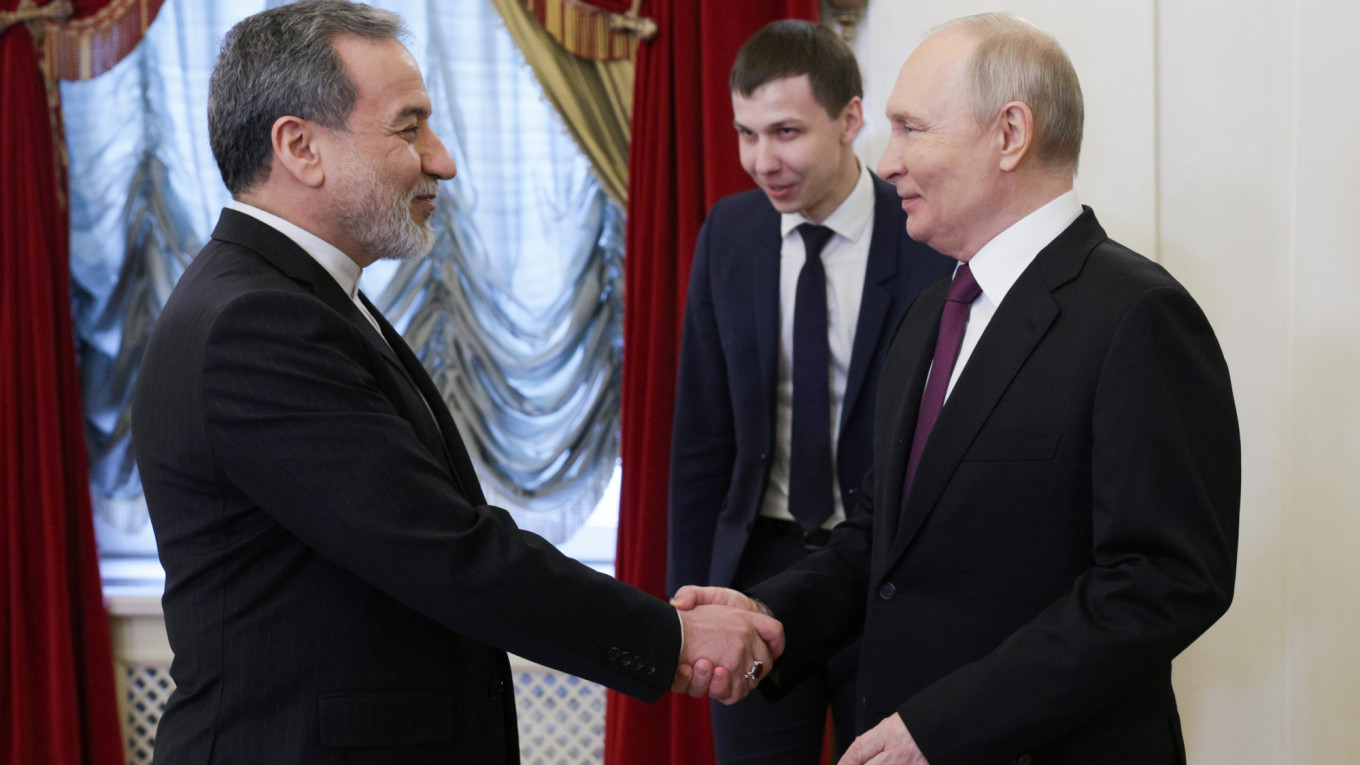
Iran Russia Diplomatic Meeting Highlights Putin’s Pledge of Support Amid Failing Peace Talks
The Iran Russia diplomatic meeting between Foreign Minister Abbas Araghchi and President Vladimir Putin took place Monday at a particularly tense moment in international affairs. With negotiations between Tehran and Washington showing every sign of collapse, Iran has turned to one of its most reliable allies for backing, and Putin appeared eager to provide reassurance.
According to Russian state media, Putin pledged to do “everything” possible to help bring peace to the Middle East, framing his support as both a gesture of solidarity with Iran and an offer to mediate during what he described as a difficult period of trials.
A Whirlwind Diplomatic Tour
Araghchi’s visit to St. Petersburg came after a busy stretch of shuttle diplomacy. He had recently made stops in Oman, which has long served as a key mediator between Iran and Western nations, and in Pakistan, which has emerged as a frequent host for the on-again, off-again peace talks between Iran and the United States.
Hopes for a diplomatic breakthrough took a major hit over the weekend when President Donald Trump unexpectedly cancelled plans to send envoys Steve Witkoff and his son-in-law Jared Kushner to Pakistan. The last-minute pullback effectively froze face-to-face negotiations, leaving regional powers scrambling to figure out where things go next.
The Strait of Hormuz Crisis Continues
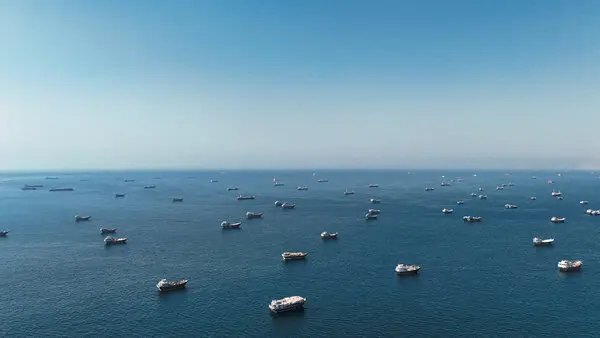
The backdrop to all this diplomatic activity is the ongoing maritime crisis at the Strait of Hormuz. Iran continues to block traffic through the strategically critical waterway, while the United States maintains its naval blockade against Iranian shipping. The standoff has caused massive disruption to global energy markets and shows no clear path toward resolution.
Tehran has reinforced its grip on the chokepoint using gunboats and reportedly placing at least 20 mines in the area. Meanwhile, Trump has ordered the U.S. Navy to enforce a blockade of Iran-linked vessels. U.S. Central Command has confirmed redirecting at least 37 ships since the blockade began.
The economic consequences are mounting daily. After markets opened Monday, Brent crude oil briefly touched $108 per barrel despite earlier reports that Iran had submitted a new ceasefire proposal. The longer the impasse lasts, the more painful the impact will be for global energy security.
Putin’s Carefully Chosen Words
While Russian state media didn’t disclose the full details of what Putin pledged behind closed doors, his public statements were clearly designed to project unwavering support for Iran. Speaking to Araghchi, Putin expressed hope that the Iranian people, drawing on what he described as their courage and aspiration for independence, would navigate this difficult period under their new leader’s guidance.
He went further, promising that Russia would do everything in its power to serve Iran’s interests and those of the broader region in pursuit of peace. The language was careful but unmistakable in its message: Russia stands with Iran in this conflict, and Putin sees Tehran’s struggle as part of a larger geopolitical contest.
Iran and Russia have maintained close strategic ties for years, and Moscow has reportedly extended limited but meaningful support to Iran during the current war. Western officials have indicated that Russia has provided Iran with targeting information for U.S. military forces in the Middle East, including warships and aircraft.
A Fragile Ceasefire Showing Cracks
The ceasefire that took effect earlier this month between the United States and Iran has technically held, but the situation remains far from stable. Both sides have made little visible progress in their sporadic peace talks, and both continue to leverage the Strait of Hormuz to extract concessions from the other.
The political stakes are also rising for the Trump administration. A prolonged blockade has the potential to drive energy prices even higher and worsen fertilizer shortages, both of which could create serious political headwinds heading into November’s midterm elections. Republicans facing tough races may find themselves answering for an economic situation increasingly tied to the war.
The Lebanon Wildcard
While Iran and the U.S. negotiate directly, another flashpoint continues to threaten any chance of broader peace. In Lebanon, fighting between Hezbollah and Israel, who are aligned with Iran and the United States respectively, has continued despite Washington’s efforts to broker a separate deal.
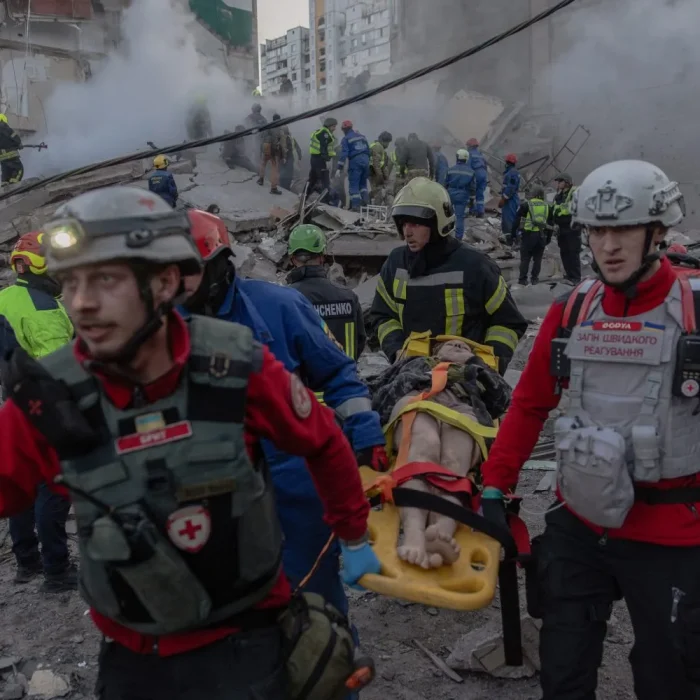
Israel resumed airstrikes Monday in the Bekaa Valley after suffering casualties among its ground forces, which are still occupying parts of southern Lebanon. The death toll in Lebanon surpassed 2,500 over the weekend, a grim milestone that underscores how dire the situation has become.
Lebanon represents one of the major sticking points in U.S.-Iran negotiations, alongside the Strait of Hormuz dispute and the unresolved nuclear question. Just hours after Washington and Tehran reached an initial ceasefire agreement on April 7, Israeli Prime Minister Benjamin Netanyahu ordered massive airstrikes against more than 100 sites in Beirut, the Bekaa Valley, and southern Lebanon. The move infuriated Iran and came just days before Vice President JD Vance was scheduled to meet with Iranian officials.
A second round of Vance-led talks had been set for April 21, but Trump announced at the last minute that the meeting would be indefinitely postponed.
Trump’s Provocative Public Stance
Trump has made no secret of his frustration with the negotiating process. In a Truth Social post over the weekend, he dismissed the talks as a waste of time and travel, claimed that Iran’s leadership was riddled with infighting and confusion, and asserted that the United States holds all the cards while Iran has none.
He concluded by inviting Tehran to call him directly if it wanted to make a deal, a deliberately provocative framing that has done little to ease tensions on the Iranian side. The bluster fits Trump’s well-known negotiating style, but critics argue it makes diplomatic progress significantly harder to achieve.
Vessel Seizures and Limited Traffic
In the absence of a deal, both Iran and the United States have continued seizing vessels in the region, escalating the maritime confrontation. According to maritime intelligence firm Kpler, between April 21 and April 24, only five or fewer tankers and dry bulk vessels passed through the Strait of Hormuz on any given day.
That’s an enormous reduction from the typical traffic the strait sees, and analysts have warned that the longer this constraint continues, the more severe the global oil supply shocks will become. Some countries have already experienced sharp spikes in fuel prices and crippling shortages.
The Bigger Strategic Picture
The Iran Russia diplomatic meeting illustrates the larger geopolitical chess game unfolding around this conflict. Iran is seeking to demonstrate that it has powerful friends willing to back it, even as the United States tightens economic and military pressure. Russia, in turn, gets the opportunity to assert itself as a global power broker while complicating American strategic objectives.
Pakistan, Oman, and other regional players are positioning themselves as essential mediators, while Gulf states find themselves caught between their traditional security alliance with the United States and their interest in seeing energy markets stabilized.
What Comes Next
With direct U.S.-Iran negotiations effectively stalled, much will depend on how Russia, Pakistan, and Oman use their respective channels to keep some form of dialogue alive. Whether Putin’s pledge of support translates into meaningful action or remains primarily symbolic is one of the key questions to watch in the coming weeks.
The ongoing fighting between Israel and Hezbollah adds yet another layer of complexity, as any major escalation in Lebanon could pull Iran further into direct confrontation and shut the door on any remaining diplomatic openings.
The Bottom Line
The Iran Russia diplomatic meeting marks another significant step in what is rapidly becoming one of the most consequential geopolitical confrontations in years. With energy markets reeling, civilian casualties mounting, and major powers increasingly entrenched in their positions, the path to peace looks more distant by the day.
Whether Putin’s promises bring real change or simply delay the inevitable depends on choices yet to be made in Tehran, Washington, and Moscow. For now, the world watches and waits, hoping that someone, somewhere, finds the courage to break the deadlock before things get even worse.
Author