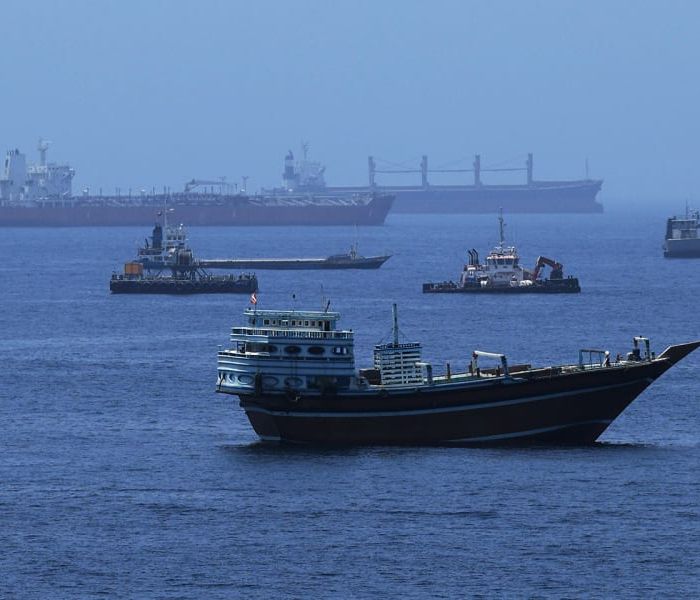
Oil price surge headlines dominated global markets on Thursday as Brent crude blew past $126 a barrel, its highest mark in four years. The sudden rally came as fears mounted over a drawn-out conflict between the United States and Iran, especially after President Donald Trump confirmed his decision to extend the naval blockade of Iranian ports. Traders, analysts, and consumers alike are now bracing for the possibility of an even tighter global supply squeeze in the months ahead.
Crude Prices Climb Sharply Across the Board
Brent crude, considered the international benchmark for oil, jumped more than 12% overnight before settling slightly lower. By midday, it was trading nearly 3% higher at around $121.5 a barrel. Meanwhile, U.S. West Texas Intermediate (WTI) crude rose 1.7% to about $108.7 a barrel, reflecting how broadly the market is being shaken.
According to Neil Wilson, a strategist at investment bank Saxo, traders have shifted their mindset entirely. Instead of waiting for a peaceful resolution, the market is now focused on the very real threat of physical oil shortages and the long-term damage that further escalation could cause to global supply.
Gasoline Prices Hit New Highs
The pain isn’t limited to Wall Street. Average gasoline prices in the United States climbed to a four-year high of $4.30 per gallon, according to the latest data from AAA. With prices climbing for nine straight days, drivers across the country are starting to feel the pinch at the pump.
Behind the scenes, talks between Washington and Tehran have crumbled. The Strait of Hormuz, one of the world’s most strategically vital shipping lanes for oil and natural gas, remains effectively shut down — and that’s adding fuel to the rally.
Why Prices Spiked So Fast
Part of Thursday’s dramatic move can be linked to mechanics in the futures market. The June Brent futures contract was set to expire that day, prompting traders to roll over into the July contract, which was trading above $112 a barrel. This kind of contract rollover often amplifies short-term volatility.
But the deeper driver remains political. Trump confirmed Wednesday night that he wants the U.S. naval blockade of Iranian ports to continue. Sources told CNN that American officials are even preparing for a longer-term closure of the Strait of Hormuz, which would essentially lock in supply tightness for the foreseeable future.
Analysts Warn: “Nowhere to Go But Up”
Vandana Hari, founder of energy market analysis firm Vanda Insights, didn’t mince words. She believes oil prices have “nowhere to go but up” until there’s a clear path to reopening the strait. According to her, predicting when that will happen is nearly impossible right now, though she added that Trump is unlikely to remain patient if the standoff drags on for weeks.
Iran isn’t backing down either. Mohsen Rezaei, a senior military adviser to Iran’s supreme leader, warned through state media that if the U.S. blockade continues, “Iran will respond.” That kind of language has only fueled investor unease.
Markets on Edge for Possible Military Strikes
Janiv Shah, vice president of oil markets at Rystad Energy, said the threat of further military action in the Middle East has put traders on high alert. Any attack on energy infrastructure, whether on tankers, pipelines, or refineries, could send oil prices skyrocketing within hours.
At the same time, Shah cautioned that very high prices may eventually backfire. He explained that elevated crude could speed up the decline in global oil demand — a trend that was already taking shape before the latest crisis.
A Historic Supply Disruption
Since the war broke out in late February, daily oil tanker movements through the Strait of Hormuz have collapsed to just single digits. The International Energy Agency has labeled this the largest supply disruption in history — a striking statement that highlights just how serious the situation has become.
This shortage is sending shockwaves far beyond the energy sector. Industries that depend on Middle Eastern oil and gas are now scrambling to find alternative sources, while shipping companies face rising costs and rerouted journeys.
What It Means for Consumers
For everyday people, the consequences of this oil price surge could be significant. As crude becomes more expensive, anything made from petroleum — including plastics, synthetic rubber, and textiles — is likely to follow. Even items most people don’t associate with oil are being affected.
In Asia, where countries depend heavily on imported energy and serve as the manufacturing hub of the world, the strain is already visible. Reports suggest shortages of products like medical gloves, instant noodles, and cosmetics are appearing on store shelves, with prices steadily rising.
Recession Risks Loom Large
Economists are sounding the alarm about what comes next. If the disruption stretches into the second half of 2026, the global economy could tip into recession. Inflation is climbing, consumer spending is weakening, and businesses across multiple sectors are already feeling the squeeze.
Until there’s clarity on whether the U.S. and Iran can reach a deal — or whether the conflict deepens — markets will likely remain volatile.
The Bottom Line
The current oil price surge is more than just a market story. It reflects a tense geopolitical standoff, a real-world supply crisis, and growing pressure on the global economy. With the Strait of Hormuz still closed and tensions rising, both oil traders and ordinary consumers may need to brace for more turbulence ahead.
Author