Iranian Nobel Peace Prize Winner Narges Mohammadi Hospitalized in Critical Condition After Prison Collapse
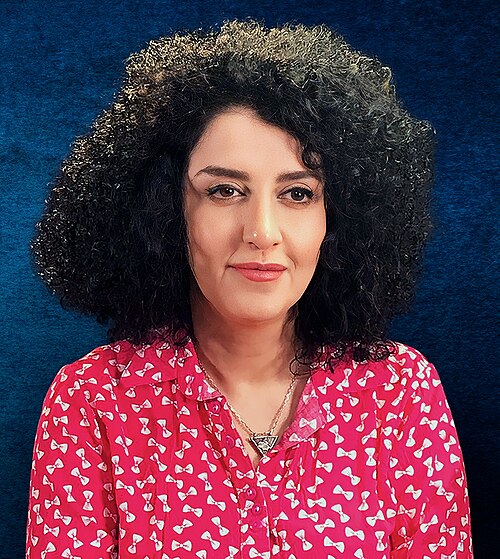
Narges Mohammadi hospitalized in critical condition is the alarming update making headlines across the world today. The renowned Iranian human rights activist and Nobel Peace Prize laureate was rushed to a hospital after suffering a serious medical emergency inside her Zanjan prison cell. Her family, lawyer, and supporters around the globe are now pleading with Iranian authorities to allow her to receive proper medical care, fearing that her life is in immediate danger.
A Sudden Collapse Behind Bars
According to a statement released by her family, Mohammadi lost consciousness on Friday after experiencing severe chest pain. She was quickly transferred from the prison in Zanjan to a nearby hospital, where she remains in the intensive care unit.
Despite the severity of her condition, Iranian judicial authorities have so far refused requests from both her family and her legal team to transfer her to a more advanced hospital in Tehran. Her loved ones argue that only the capital city has the medical facilities and specialists needed to properly treat her, including her longtime cardiologist who has handled her chronic heart issues for years.
The Narges Foundation, the organization established in her name, along with her husband Taghi Rahmani, confirmed the situation and expressed deep concern over her worsening condition.
A Family’s Desperate Plea
Speaking from Paris, where he lives in exile with the couple’s children, Rahmani made an emotional public appeal to the Iranian government. He shared that his wife has lost consciousness multiple times in recent days and that her condition is becoming increasingly fragile.
Rahmani’s request was simple but urgent: allow Mohammadi to be transported to a hospital in Tehran without further delay. The Iranian mission to the United Nations, when contacted for comment, declined to address questions about her health.
A Pattern of Health Decline
Mohammadi’s health has been deteriorating steadily over the past several months. According to her lawyer, Mostafa Nili, the activist had been suffering from worsening symptoms before this latest crisis unfolded. At 54 years old, she has been battling chronic cardiovascular problems for years, in addition to a previous lung embolism and persistent headaches.
Her husband has also stated that some of her health issues stem from physical mistreatment by prison guards, including beatings she has endured during her imprisonment. In past medical emergencies, prison authorities reportedly chose to treat her in the prison’s poorly equipped clinic rather than transferring her to a proper hospital.
A Life Devoted to Activism
Narges Mohammadi has long been one of Iran’s most outspoken voices for democracy, women’s rights, and human freedom. Her activism has come at an enormous personal cost. Much of her adult life has been spent moving in and out of Iranian prisons, where she has continued to speak out against the country’s authoritarian system.
She had previously been sentenced to a decade behind bars on national security related charges. Then in February, an Iranian court added another seven and a half years to her sentence, citing her continued criticism of the government. Her most recent arrest came in December, just months after she was granted a yearlong medical furlough. The trigger this time was a fiery speech she delivered at the funeral of a fellow activist, in which she fiercely condemned the regime.
The Symbolism of the Nobel Prize
In 2023, while still behind bars, Mohammadi was awarded the Nobel Peace Prize. The Nobel Committee honored her for her courageous fight against the oppression of women in Iran and her broader efforts to defend human rights and personal freedoms for all citizens. The award placed an international spotlight on her cause and turned her into a global symbol of resistance against authoritarian rule.
Despite this recognition, her treatment within the Iranian prison system has reportedly grown harsher. Following an earlier heart attack in late March, when she once again lost consciousness in prison, she was denied appropriate medical attention at the hospital, according to her supporters.
Why Zanjan Prison Matters
Authorities deliberately moved Mohammadi to Zanjan, a city located northwest of Tehran, where she has no family connections and where prison conditions are reportedly far worse than in the capital. Human rights groups have suggested that this transfer was meant to isolate her further and intensify the psychological toll of her imprisonment.
A Wider Crackdown on Dissent
Mohammadi’s case is unfolding against the backdrop of a larger wave of repression sweeping Iran. As global attention remains focused on the recent U.S.-Israeli conflict with Iran, the government has used the wartime atmosphere to escalate its crackdown on dissent.
Reports of arrests involving student activists, journalists, and protesters have been emerging on a near-daily basis. According to the Center for Human Rights in Iran, the country has executed 22 people over the past six weeks. Many of those executed were protesters connected to the nationwide anti-government demonstrations earlier this year, and dozens more individuals are reportedly at risk of facing the death penalty.
One particularly tragic case involved Sasan Azadvar Junaqani, a 21-year-old karate athlete from Isfahan. He was executed on Thursday after being arrested in January for allegedly throwing a stone at security forces during the protests. According to the human rights group HRANA, Junaqani was convicted of “moharebe,” meaning “enmity against God,” following what observers described as a swift and unfair trial.
Experts Warn of an Intensifying Campaign
Omid Memarian, an Iran expert and senior fellow at the Washington D.C. think tank Dawn, believes that Mohammadi’s harsh treatment and the recent surge in executions are part of a coordinated strategy of intimidation by the Iranian government. He explained that the wartime climate has dramatically increased the dangers faced by activists, providing the regime with a broader justification to use violent tactics against dissenters.
According to Memarian, the level of repression seen today, even outside of major protest waves, is significantly more severe than what existed before the recent conflict began.
A Global Call for Action
As Narges Mohammadi fights for her life in a hospital bed, human rights organizations, world leaders, and ordinary citizens around the world are calling for her immediate transfer to a properly equipped medical facility. Her story has become a powerful reminder of the cost of speaking out against authoritarianism, and her supporters continue to demand that the Iranian government show humanity in handling her case.
For now, the world watches and waits, hoping that international pressure will be enough to save the life of one of Iran’s bravest voices.
Author