Eta Aquarid Meteor Shower 2026: Bright Moon May Dim Halley’s Comet Spectacle
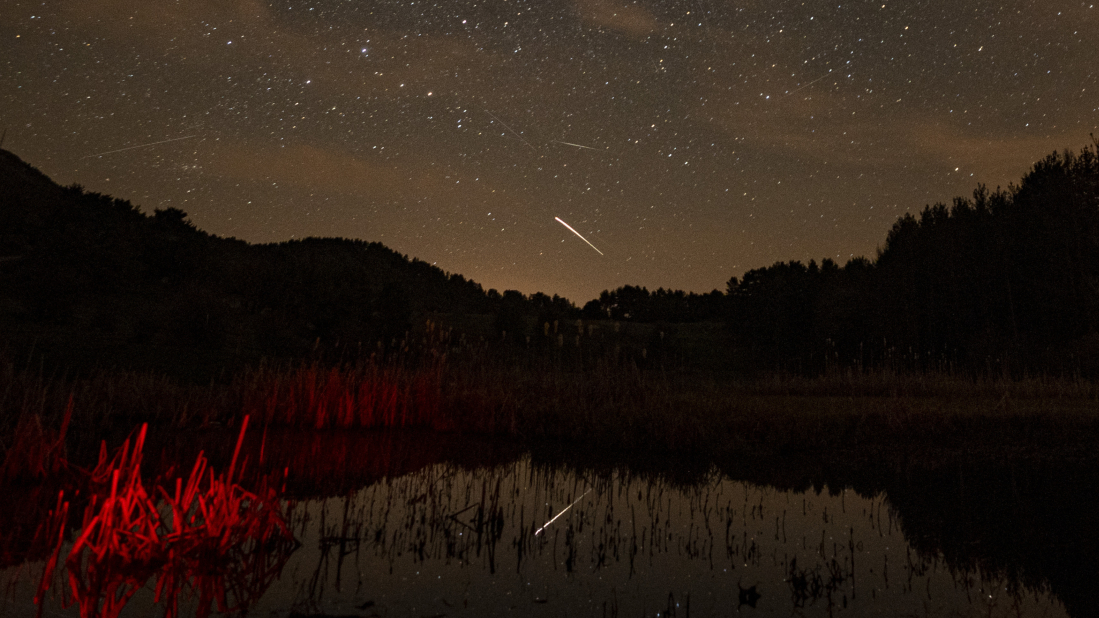
The Eta Aquarid meteor shower 2026 is just around the corner, and while it promises a stunning display of shooting stars trailing across the night sky, this year’s show comes with a small catch. A bright, glowing moon is set to crash the party, making it harder for skywatchers to fully enjoy nature’s fireworks. Still, with a bit of planning and patience, you can catch this beautiful celestial event that owes its existence to one of the most famous comets in history.
When and Where to Watch
The peak of the shower will arrive on the night of May 9 going into the early hours of May 10. This is when Earth plows most directly through the dusty trail left behind by Halley’s comet, igniting the sky with bright streaks.
Skywatchers in the Southern Hemisphere are in for the best treat. Under normal conditions, they can expect around 50 meteors per hour at peak. Sadly, the bright moon this year may cut that figure roughly in half. For those watching from the Northern Hemisphere, the experience will be more modest, with fewer than 10 meteors per hour likely visible.
According to Teri Gee, manager of the Barlow Planetarium in Wisconsin, the closer you are to the equator and beyond, the better the show. For northern viewers, it simply won’t be as dazzling as in past years.
What Causes the Eta Aquarid Meteor Shower
Meteor showers happen when Earth crosses paths with the debris left behind by comets or asteroids. As tiny particles slam into our atmosphere at high speed, they burn up and create the bright streaks we know as shooting stars.
The Eta Aquarids are special because their parent body is none other than Halley’s comet, the world’s most famous celestial visitor. This comet swings by Earth roughly every 76 years and is next expected to make an appearance in 2061. Even though we won’t see Halley’s itself this year, we can still enjoy its leftover dust as it lights up the night sky.
Why the Moon Is a Problem This Year
Light pollution is the biggest enemy of meteor showers, and unfortunately, the moon will be working against us this time. During the peak, it will be a waning gibbous moon, about 84 percent full, casting a strong silvery glow across the sky.
That brightness can wash out the fainter meteors, leaving only the strongest streaks visible. So while the shower will absolutely happen, you’ll need to make smart choices about where and how you watch.
Best Tips for Watching the Meteor Shower
You don’t need a telescope or any fancy equipment to enjoy this event. The naked eye works perfectly. However, a few simple tricks can dramatically improve your experience.
Here’s how to make the most of it:
- Head outdoors just before dawn, when the sky is darkest and the radiant point is highest
- Travel away from city lights, tall buildings, and traffic
- Try to position yourself so something natural like a tree, hill, or roof blocks direct moonlight
- Bring blankets, lawn chairs, or a sleeping bag for comfort
- Avoid checking your phone, since the screen will reset your night vision
- Allow at least 20 to 30 minutes for your eyes to adjust to the dark
Patience is everything. Once your eyes adapt, your odds of catching those quick, magical streaks rise sharply.
Where to Look in the Sky
The shower gets its name from a star called Eta Aquarii, located within the constellation Aquarius. This is the area in the sky where the meteors appear to originate, also known as the radiant point.
To find it, look toward the eastern sky in the predawn hours. You don’t have to stare directly at Aquarius, though. Meteors can streak across any part of the sky, so it’s actually better to gaze broadly and let your peripheral vision do some of the work.
As astrophysicist Nico Adams of SSP International explains, you’re really looking for those quick flashes of brightness that catch the corner of your eye for just a fraction of a second.
A Reminder of Cosmic Connections
There’s something poetic about watching the Eta Aquarids. Each tiny streak of light is, in a way, a piece of Halley’s comet, a wanderer that has been part of human history and folklore for thousands of years. People have been watching this same comet since long before telescopes were invented.
Even though Halley’s itself won’t return until 2061, its dusty trail keeps giving us a yearly reminder of its existence.
Why It’s Worth Setting an Alarm For
Yes, getting up at that early hour takes some commitment. But there’s truly no substitute for seeing a meteor shower with your own eyes. Photos and videos online can’t quite capture the feeling of a streak suddenly slicing across a quiet, sleeping sky.
As Teri Gee beautifully puts it, watching a meteor shower in person almost feels like making a personal discovery, like the universe is sharing a small secret with you.
Final Thoughts
The Eta Aquarid meteor shower 2026 may not be the most spectacular edition due to the moon’s interference, but it’s still absolutely worth the effort. Bundle up, find a dark spot, look east just before sunrise, and let your eyes wander across the sky. You may not see dozens of meteors, but the few you do catch will be carrying ancient stardust from Halley’s comet, a tiny piece of cosmic history flashing right before you.
Author