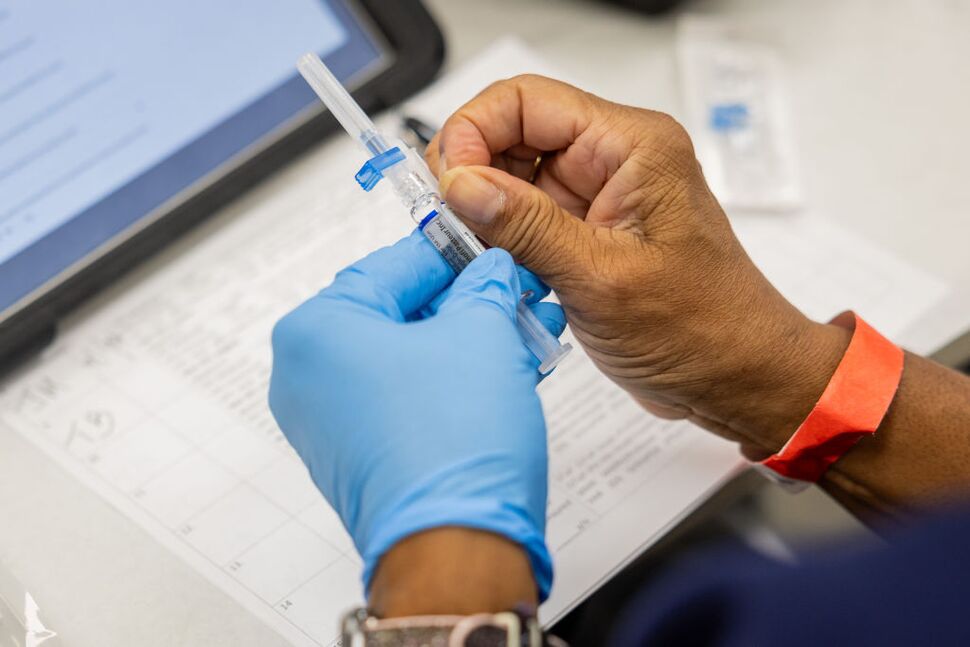
FDA halts vaccine studies on covid-19 and shingles, sending shockwaves through the public health community and reigniting concerns about how the federal government is handling sensitive vaccine information. According to a Health and Human Services spokesman, the Food and Drug Administration recently blocked the publication of multiple vaccine-related studies. This has happened just weeks after the Centers for Disease Control and Prevention also stopped a major report from being published. The growing pattern of restrictions has alarmed scientists, public health experts, and ordinary Americans who depend on transparent and timely vaccine research.
A New Wave of Public Health Concerns
The decision to withhold vaccine research has come at a politically charged moment. The Trump administration has been navigating intense debate around vaccine policy as Health Secretary Robert F. Kennedy Jr. moves forward with plans to revise the national vaccine schedule. Pollsters have already warned that softening trust in vaccines could carry political risks heading into the upcoming midterm elections.
Now, with the FDA pulling new studies and the CDC blocking key publications, public concerns are escalating quickly.
The latest revelations involve:
- A halted FDA study on covid-19 vaccine safety
- Blocked abstracts on shingles vaccine research
- A previously canceled CDC report showing covid vaccines reduced hospitalizations
- Repeated delays in vaccine-related publications
- Growing scrutiny over leadership decisions inside the FDA
Together, these developments paint a picture of a public health system grappling with internal tension and external political pressure.
The Halted COVID Vaccine Safety Study
One of the most significant studies affected involves the safety of the 2023 to 2024 covid vaccine. The research examined whether vaccinated individuals later experienced any of more than a dozen health conditions affecting:
- The heart
- Blood and circulation
- The brain and nervous system
- Other major organ systems
- Long-term recovery and inflammation
The study went through peer review at the journal Vaccine, but its authors withdrew the manuscript in October. Angela Rasmussen, one of the journal’s editors in chief, confirmed the withdrawal. While journal manuscripts are confidential, an abstract of the study had already been presented at a conference and is publicly available online.
That abstract concluded clearly, stating that no new safety concerns were identified after the 2023-2024 covid vaccination in U.S. health plan enrollees ages 6 months to 64 years.
The fact that this finding was withdrawn before publication has raised many eyebrows in the medical and scientific community.
Shingles Vaccine Research Also Affected
The covid vaccine paper was not the only one blocked. The FDA also did not approve abstracts of studies on Shingrix, a widely used shingles vaccine, in time for staff to submit them to a major drug safety conference.
Shingles is a painful and sometimes debilitating condition, and Shingrix has played a major role in protecting older adults from outbreaks. Slowing or hiding research about its safety profile has worried experts who depend on continuous data evaluation.
This withholding of shingles research has added to the perception that vaccine research is being unevenly managed at the federal level.
A Pattern Emerges
The recent FDA actions follow a similar trend at the CDC. Last month, The Washington Post reported that the CDC blocked a study showing the covid vaccine reduced hospitalizations and emergency department visits among healthy adults by approximately half during the past winter.
The report was scheduled to appear in the CDC’s flagship scientific publication, Morbidity and Mortality Weekly Report, on March 19. The publication was delayed and then canceled entirely.
Some of the major points of concern include:
- The methodology used to calculate vaccine effectiveness
- Disagreements about the observational study design
- A reported difference between official statements and how reviewers actually evaluated the report
- A growing pattern of delayed or blocked vaccine research
Together, these moves have caused some experts to question whether scientific findings are being filtered for political reasons.
FDA Defends Its Decision
In response to growing concerns, HHS spokesman Andrew Nixon defended the FDA’s decisions. He said the studies were withdrawn because the authors had drawn conclusions that were not fully supported by the underlying data.
According to Nixon, the FDA acted to protect the integrity of its scientific process and uphold its high publication standards. He emphasized that the agency wants to ensure that any work associated with the FDA reflects rigorous and reliable methodology.
While the FDA has the right to require strong scientific standards, critics argue that withdrawing studies that already passed peer review processes raises questions about the agency’s motivations.
The Role of Vinay Prasad
The recent decisions also intersect with the leadership tenure of Vinay Prasad, who served as the FDA’s top vaccine official until the end of last month. Prasad faced controversy throughout his tenure, including:
- Initial reluctance to review Moderna’s mRNA-based flu vaccine
- Plans to tighten vaccine approval requirements
- A new framework limiting updated covid shots to high-risk groups
- Public scrutiny over scientific decision-making
- Tensions with researchers and external experts
His departure marked the end of a turbulent year inside the FDA’s vaccine division. While he has not yet commented publicly on the recent withdrawals, his policies during his time at the agency continue to influence how vaccines are evaluated and discussed.
A New FDA Approach
In May 2025, Prasad and FDA Commissioner Marty Makary unveiled a major shift in how covid vaccines were approved. The new plan involved restricting updated shots to:
- Older adults
- People with underlying health conditions
- Individuals at higher risk of severe covid outcomes
This narrower approval pathway sparked discussions among public health officials about who should have continued access to updated covid vaccines. Some argued the change was reasonable. Others said it sent a confusing message to the public about vaccine availability.
Why These Studies Matter
For ordinary Americans, the question is simple. Why does it matter if the FDA withdraws a vaccine study?
The answer is that vaccine research informs:
- Public confidence in vaccine safety
- Policy decisions about vaccine recommendations
- Insurance coverage and patient access
- Medical advice for at-risk groups
- Future research and development
When studies are blocked or withdrawn, scientists and the public lose valuable insight that helps shape healthcare decisions.
Public Health Experts Voice Concern
Many public health experts and journal editors have spoken out about the developments. Rasmussen, speaking in her personal capacity as a virologist at the University of Saskatchewan, expressed surprise that the safety study was withdrawn after going through review.
Some of the broader concerns include:
- A loss of transparency in federal health agencies
- Decisions appearing to be politically driven
- A chilling effect on future vaccine research
- Reduced public access to important scientific data
- Reluctance among scientists to submit research that may be blocked
These concerns continue to gain traction as more details emerge about the recent withdrawals.
Public Trust Hangs in the Balance
Public trust in U.S. health agencies is already fragile after several years of pandemic-era controversy. Each new development involving blocked or delayed vaccine research adds another layer of doubt for some Americans.
For others, the news strengthens long-held skepticism about how the government communicates with the public.
The fragile balance of trust depends on:
- Open communication
- Independent peer review
- Transparent agency decisions
- Ongoing public access to research
- Political independence from federal leadership
When these factors weaken, public health systems lose credibility, which can affect vaccine uptake and overall health outcomes.
A Political Storm Surrounding Vaccines
Health Secretary Robert F. Kennedy Jr. has played a central role in shaping vaccine-related discussions over the past year. His efforts to revise the national vaccine schedule have stirred intense debate. Several of his recent moves include:
- Reviewing long-standing vaccine recommendations
- Encouraging deeper research on vaccine ingredients
- Reshaping how federal health agencies communicate
- Promoting personal medical autonomy
- Engaging directly with vaccine skeptics
Critics worry these changes could erode confidence in proven vaccines. Supporters say they reflect a long-overdue update of how vaccines are evaluated and presented to the public.
The withdrawal of vaccine studies adds to the broader political tension surrounding these debates.
The CDC’s Role in the Story
The CDC’s blocked report on covid vaccine effectiveness is a significant part of the unfolding picture. The data showed that vaccines reduced emergency department visits and hospitalizations by about half. Such findings would normally be welcomed by public health communicators.
Instead, internal disagreements about the report’s methodology delayed publication, and the agency ultimately decided not to publish it.
According to Jay Bhattacharya, who is temporarily overseeing the CDC, the methodology was not strong enough for publication. Other public health insiders pushed back, calling the agency’s account inconsistent with their understanding of the review.
The tension between public messaging and internal evaluation has fueled new debates about how health agencies operate in 2026.
Why Scientists Are Worried
The growing pattern of blocked or withdrawn studies has scientists worried about long-term consequences. They include:
- Reduced opportunity for academic and federal collaboration
- A loss of confidence among research professionals
- Increased difficulty in evaluating vaccine impact
- Limited access to important data
- Erosion of America’s leadership in public health research
If federal agencies become less reliable in publishing or supporting research, scientists fear the United States could lose ground globally in critical areas of medicine.
The Bigger Picture for Public Health
These events fit into a larger conversation about the relationship between politics, science, and public communication. As public health agencies deal with internal pressures and external political dynamics, the challenges of maintaining transparency continue to grow.
Several broader trends shaping public health include:
- Heightened public skepticism toward government agencies
- Greater reliance on independent research voices
- Stronger digital channels for spreading scientific findings
- A more politicized environment for vaccines and health information
- Continued debate about the role of medical autonomy
The current moment may shape how Americans relate to health agencies for years to come.
Why Transparency Still Matters
Many experts argue that transparency in scientific publishing is essential. Even imperfect or controversial studies provide opportunities to understand the data, debate the methodology, and refine best practices.
When studies are withdrawn behind closed doors, the public loses insight into:
- How vaccines perform in real-world conditions
- Long-term safety profiles
- The broader landscape of vaccine science
- Ongoing improvements in research methods
- Lessons learned from previous public health emergencies
Without transparency, conversations about vaccines become harder rather than easier.
The Public’s Mixed Reaction
Public reactions to the FDA’s decisions have been deeply divided. Some Americans support the move, viewing it as a necessary effort to maintain scientific rigor. Others worry that political influence may be shaping decisions that should be made on scientific grounds alone.
Common reactions include:
- Frustration over inconsistent communication
- Concern about politicized vaccine policy
- Praise for stricter scientific standards
- Renewed debates about RFK Jr.’s leadership at HHS
- Calls for more transparency from federal agencies
These reactions reflect the broader cultural moment, where vaccines remain one of the most heated topics in American politics.
Why This Story Will Continue
The FDA halts vaccine studies story is unlikely to fade quickly. Several reasons suggest that more information will continue to emerge in the coming weeks:
- More researchers may speak publicly about the withdrawn studies
- The peer review community is already raising questions
- Political watchdogs are paying attention
- Additional studies may follow in the FDA’s review queue
- Health groups are likely to push for transparency
This means more updates are likely as the situation develops.
Final Thoughts
The FDA halts vaccine studies controversy is one of the most significant public health stories of 2026. With covid and shingles vaccine research being withdrawn or blocked, the broader debate about transparency, trust, and scientific independence is intensifying.
For ordinary Americans, the developments raise concerns about how vaccine information is shared. For scientists, the actions challenge long-standing norms around peer review and publication. For policymakers, the controversy adds another layer of complexity to a moment already shaped by intense political debate.
While public health risks remain manageable, the broader implications of withholding vaccine research are far-reaching. Americans rely on accurate, timely, and accessible information to make decisions about their health. As more details emerge, the federal government will need to work harder than ever to maintain public trust.
In a moment where vaccine policies are being reshaped, leadership transitions are occurring, and political tensions are influencing science, transparency must remain at the center of public health.
Whether or not the FDA’s actions will hold up to public and scientific scrutiny remains to be seen. But what is already clear is that the conversation around vaccine research, public health communication, and scientific independence is far from over. As the story continues to develop, Americans will be watching closely to see how science, policy, and public trust evolve in the months ahead.
Author