Timmy Whale Rescue Captures Hearts Around the World
The Timmy whale rescue has reached a long-awaited turning point, with the 40-foot humpback finally returned to deeper waters after weeks of captivating global attention. On Saturday, after months of failed attempts and growing concern, the young whale was released into the North Sea — a moment celebrated by millions who had been following his unlikely journey since he first appeared stranded in shallow German waters back in March.
A Whale That Captured the World’s Attention
Few animals in recent memory have managed to rally such an outpouring of public emotion as Timmy. Stuck for weeks in shallow waters near the German coast, his struggle quickly turned into an international story that played out in headlines, social media feeds, and viral videos. People who had never thought twice about marine wildlife suddenly found themselves invested in the survival of a single humpback whale.
According to The New York Times, Saturday’s rescue was actually the fifth attempt to safely move Timmy back into deeper waters. After repeated setbacks, this final mission finally delivered the breakthrough that animal lovers around the world had been hoping for.
The Rescue Mission That Made History
What set this attempt apart from the previous ones was the scale and ambition behind it. The operation was funded privately by two German millionaires who personally commissioned a massive, water-filled barge specifically designed to safely transport the whale.
The custom barge allowed rescuers to support Timmy’s weight while keeping his body submerged and protected during transit. After previous methods using inflatable cushions and pontoons failed to coax him into open waters, this approach finally gave the team the tools they needed to make the long journey from the shallows of the Baltic to the freedom of the North Sea.
A Powerful Moment of Release
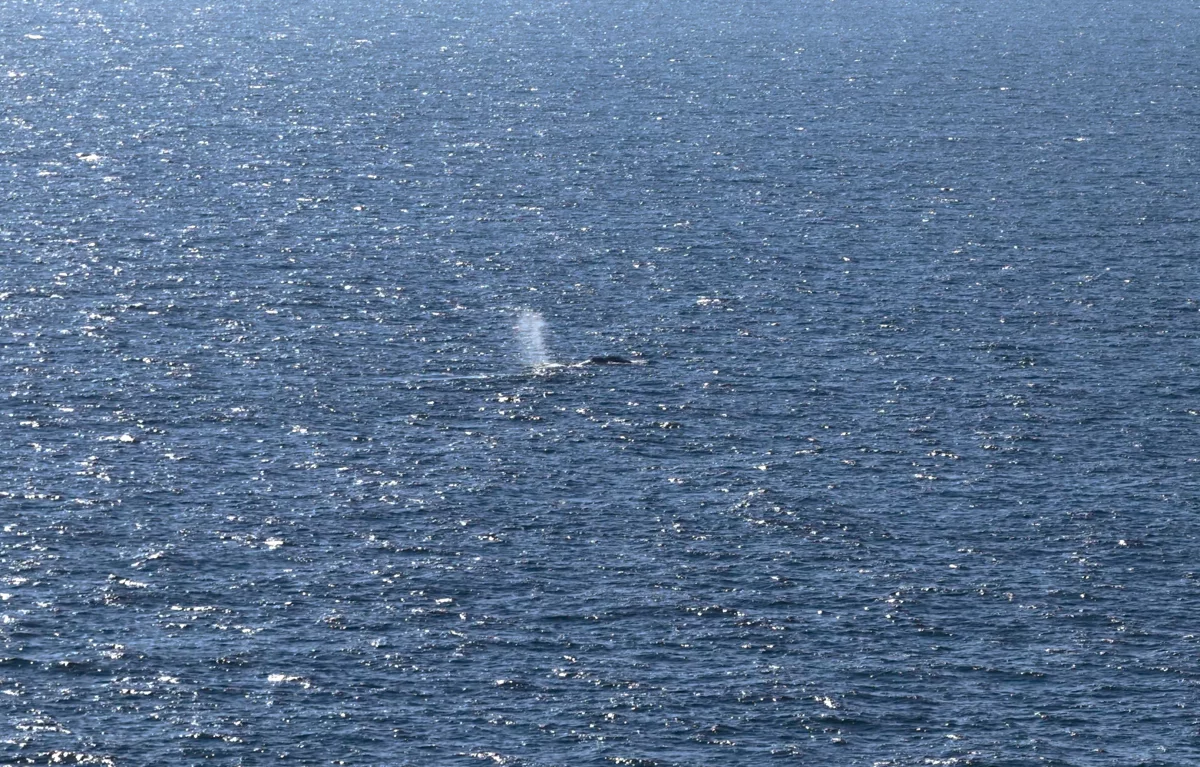
Footage shared online captured the emotional moment when Timmy was finally returned to the open ocean. He was seen sending up bursts of water from his blowhole as he began moving into deeper waters under his own strength. Comments flooded in from across the globe, with fans sending heartfelt wishes for a long, healthy, and free life.
For many, it felt like the satisfying ending of a story they had been emotionally invested in for weeks. The footage quickly went viral, with millions watching, sharing, and celebrating what looked like a triumphant rescue.
Caution From Experts
Despite the celebrations, marine experts have urged the public to temper its excitement. Throughout the weekslong saga, the International Whaling Commission, or IWC, repeatedly raised concerns about the wisdom of repeatedly attempting to move Timmy. The group argued that interventions, even when well-meaning, can place enormous stress on a gravely ill animal, often without offering meaningful benefits.
Now, even after the successful release, the IWC has issued a measured response. The organisation acknowledged the considerable technical, logistical, and financial effort that went into the operation. However, it cautioned that the release should not be seen as the conclusion of Timmy’s story.
The IWC clarified that being placed back into the open sea is only the beginning of any potential recovery. To truly call the mission a success, Timmy must be able to swim freely, survive the physiological effects of prolonged stranding and transport, return to a suitable feeding habitat, regain his strength, and resume a normal pattern of life. Each of these steps presents its own significant challenges.
Why Timmy’s Recovery Could Be Difficult
Several factors stack the odds against a quick or guaranteed recovery for Timmy. Some of the most concerning include:
- The Baltic Sea’s lower salt content had already caused him to develop skin conditions
- Long periods of immobility in shallow water may have weakened his muscles and respiratory system
- Multiple stranding events likely caused internal stress and possible organ strain
- Transport, even in a water-filled barge, can be physically demanding for a weakened animal
- His ability to find food and migrate properly remains untested in his current condition
These challenges mean that, while the release looks hopeful, scientists are taking a cautious wait-and-see approach.
A GPS Tracker That Could Change Future Rescues
To monitor Timmy’s progress, rescuers attached a GPS transmitter to him before his release. The IWC has emphasized just how valuable the data from this device will be — not only for tracking Timmy’s individual recovery but also for informing future rescue missions involving stranded whales.
Tracking Timmy in real time gives marine biologists a rare opportunity to study how a humpback whale recovers — or struggles — after being moved back to its natural habitat following extended stranding. The information collected over the coming weeks and months could shape rescue protocols for years to come.
A Story Bigger Than One Whale
The Timmy whale rescue represents more than a single mission to save one animal. It speaks to broader themes that resonate with people across the world — compassion, the lengths humans will go to in order to help vulnerable wildlife, and the difficult ethical questions that arise when intervention may not always be the kindest option.
The case has also highlighted the role of private funding in major animal rescues. Without the financial commitment from the two German millionaires, the custom barge that ultimately enabled Timmy’s release likely would never have existed. Their involvement raises interesting conversations about how much of marine conservation depends on private support versus government and institutional efforts.
A Mixed Reception Among Conservationists
For some marine experts, the entire saga has served as a reminder of the limits of human intervention in the natural world. They argue that while saving Timmy may bring emotional satisfaction, the resources poured into the effort might have produced greater long-term impact if directed toward broader conservation goals — such as protecting endangered habitats, reducing ship collisions, or fighting plastic pollution.
Others, however, see the rescue as a powerful symbol of collective compassion. To them, the willingness to invest time, money, and effort in saving a single creature reflects a deeper respect for life and a willingness to act in the face of suffering.
What Lies Ahead for Timmy
Whether Timmy ultimately survives and thrives in the wild remains uncertain. The next several weeks will be critical. Marine biologists will be watching the data from his GPS tracker closely, looking for signs that he is moving in the right direction, regaining strength, and feeding normally.
If his health holds, he may eventually rejoin migrating humpback populations and live a long life in the open sea. If not, his story may end far from the cheering crowds and viral videos that defined his rescue. Either way, the lessons learned from his case will continue to shape how future stranded whales are treated.
A Hopeful, but Cautious, Ending
For now, the Timmy whale rescue stands as a powerful reminder of what humans can accomplish when they decide to act — and what nature ultimately decides on its own. Saturday’s release may not guarantee a happy ending, but it does offer something equally important: a chance.
For Timmy, that chance is now swimming with him into the cold, open waters of the North Sea. And for the millions who watched his journey unfold, the hope is simple — that the bright, defiant whale who refused to give up gets the long, healthy life so many people have been rooting for.
Author