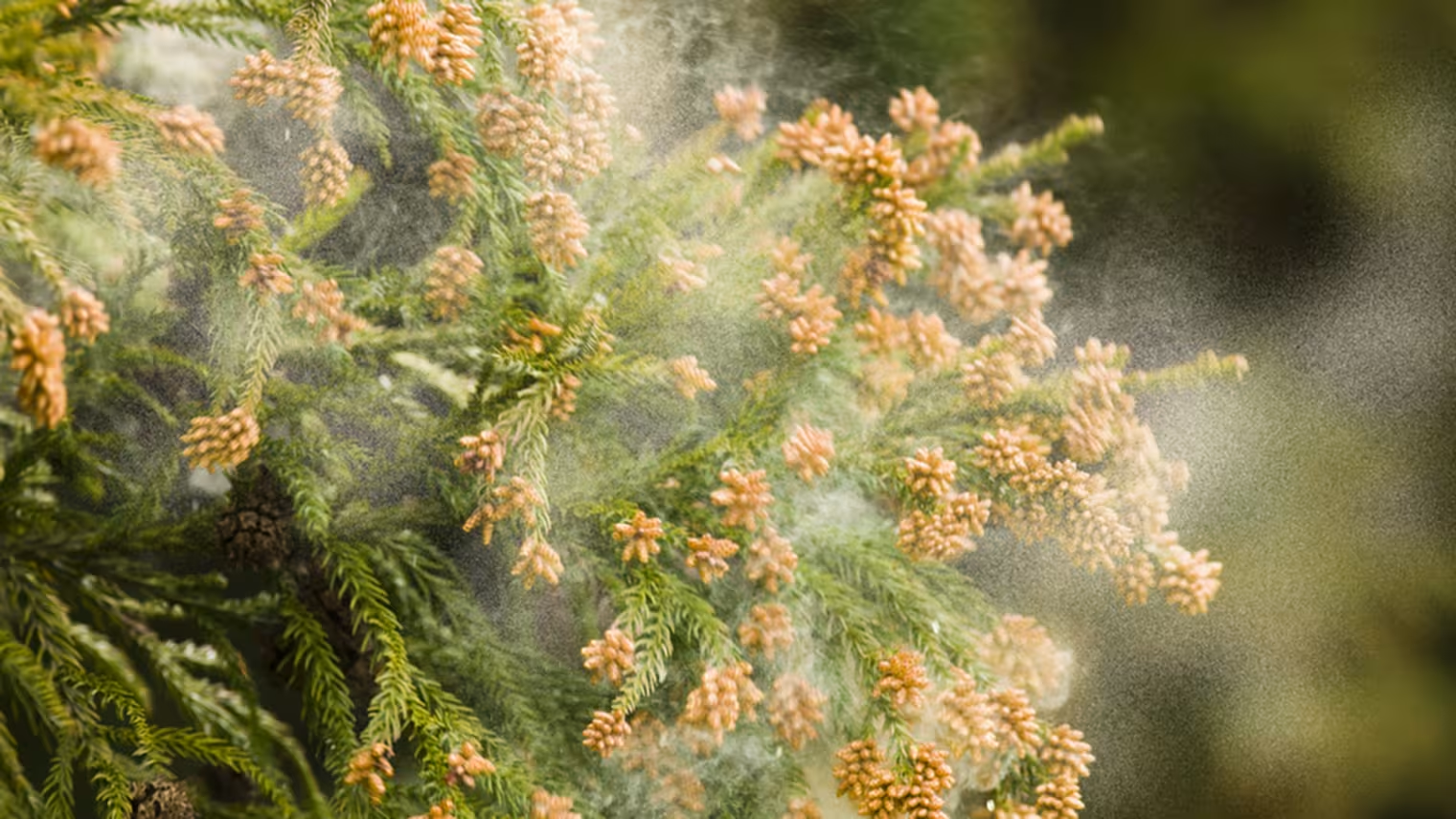
Pollen tsunami survival has become one of the hottest topics this spring as allergy sufferers across New York City and beyond brace themselves for what experts are calling one of the most intense allergy seasons in recent memory. With longer pollen seasons, rising temperatures, and increasingly polluted air, the simple act of stepping outside has become a real challenge for millions of people. Understanding what your body is telling you and knowing when to seek help from an allergist can make all the difference between a miserable spring and a manageable one.
What Is a Pollen Tsunami?
A pollen tsunami may sound dramatic, but the term accurately reflects what allergy sufferers are dealing with this year. It refers to a longer, more powerful allergy season fueled by:
- Warmer global temperatures
- Higher carbon dioxide levels
- Increased air pollution
- Earlier blooming patterns
- Stronger seasonal winds
According to research cited by Dr. Clifford Bassett, an allergist and immunologist at Schweiger Dermatology & Allergy Group in Manhattan, pollen seasons have grown by roughly 20 days over the past three decades. Pollen concentrations have also jumped by about 21 percent during that same time.
This means more pollen, longer exposure, and stronger reactions for people who are sensitive.
The NYC Pollen Calendar
Allergy sufferers in NYC have a fairly predictable seasonal cycle. According to a 15-year study by the AAAAI National Allergy Bureau, the city sees three main allergy peaks each year:
- Tree pollen dominates and peaks in May
- Grass pollen peaks in June
- Ragweed takes over from August through October
The first major wave of the 2026 pollen tsunami is expected to peak this month, making early action essential.
5 Subtle Signs It’s Time to See an Allergist
Some allergy symptoms are obvious. Sneezing, watery eyes, and a runny nose are easy to recognize. However, allergy season often produces subtler signals that many people overlook. Bassett shared five clues that are commonly missed but worth taking seriously.
1. Allergy Face
Bassett said he sees this look in his office almost every day. People assume they’re just tired or stressed, but the truth is that their bodies are reacting to allergens. Common signs include:
- Dark circles under the eyes
- Puffy eyelids
- Fine creased lines beneath the lower lids
- A heavy or worn-out appearance
According to Bassett, these features result from allergic inflammation slowing blood flow around the eyes. It’s not aging, and it’s not exhaustion. It’s allergies.
2. Brain Fog
Allergies don’t only affect the nose. They can also disrupt your ability to think clearly. About 30 percent of allergy patients report cognitive issues during peak season, including:
- Trouble focusing
- Forgetfulness
- Slow processing speed
- Difficulty completing tasks
- A general feeling of mental sluggishness
Bassett, author of The New Allergy Solution, explained that allergies can leave the brain operating at as low as 60 percent throughout the day. For children, brain fog can appear as attention problems at school. For adults, it might feel like you’re stuck in mental mud.
3. Relentless Restlessness
Allergies have a sneaky way of disrupting sleep. Studies confirm that they contribute significantly to chronic fatigue. Common nighttime issues include:
- Congested nasal and sinus passages
- Mouth breathing
- Snoring
- Restless sleep
- Frequent waking
When poor sleep continues night after night, everything else suffers, mood, energy, focus, productivity, and even appearance. As Bassett notes, sleep suffers and life follows.
4. Persistent Cough
A cough that just won’t go away may not be a cold or a leftover from winter. Allergies often cause postnasal drip, where excess mucus drips down the back of the throat and triggers ongoing coughing.
Some signs that your cough is allergy-related include:
- Lasting weeks instead of days
- Worsening at night or in the morning
- Accompanied by throat clearing
- Triggered by going outside
- No fever or other illness symptoms
If your cough is hanging around for too long, allergies may be the culprit.
5. Hearing Troubles
Allergic inflammation can affect more than your nose. It can also cause your ears to feel:
- Plugged
- Fuzzy
- Like you’re underwater
- Mildly painful
- Slightly muffled
This happens because the eustachian tubes swell during allergic reactions. People often blame sinus problems, but allergies are typically the real culprit.
How to Survive the Pollen Tsunami
If you suspect allergies are taking over your life, the good news is that there are many ways to fight back. Bassett offers six effective strategies that can dramatically reduce your symptoms.
1. Get Skin Tested
Allergy skin testing is a quick and nearly painless way to identify exactly what’s triggering your symptoms. It checks for:
- Tree pollen
- Grass pollen
- Ragweed
- Indoor allergens like dust mites
- Pet dander
- Mold
Knowing your specific triggers gives you a personalized roadmap to relief.
2. Start Allergy Meds Early
A common mistake is waiting until symptoms become unbearable. Bassett recommends starting both over-the-counter and prescription allergy medications before the pollen peak hits. Common helpful options include:
- Antihistamines
- Nasal sprays
- Decongestants
- Eye drops
- Prescription medications
Starting early helps prevent symptoms from spiraling out of control.
3. Track Pollen Counts and Weather
Pollen levels vary by day. Keep an eye on forecasts using websites like aaaai.org, which provides regional pollen counts. Some general patterns to remember:
- Windy, dry days are the worst for allergies
- Wet, calm days help reduce pollen levels
- Mornings often have higher pollen counts
- Afternoons may be safer in some regions
Knowing what to expect helps you plan outdoor activities accordingly.
4. Block Pollen Whenever Possible
When pollen counts soar, your clothes, hair, and skin can become covered in allergens. To reduce exposure:
- Wear a hat to keep pollen off your hair
- Wear sunglasses to protect your eyes
- Consider a face mask outdoors
- Shower as soon as you get home
- Wash your hair before bed
- Change clothes after being outside
These steps help prevent pollen from following you into your home and bedroom.
5. Build an Allergy Sanctuary at Home
Your bedroom should be your safest space during a pollen tsunami. Create an allergy-friendly environment by:
- Using a HEPA air purifier
- Keeping windows closed during peak pollen days
- Running air conditioning to filter air
- Washing bedding weekly in hot water
- Vacuuming with a HEPA-equipped machine
- Removing shoes at the door
- Avoiding outdoor laundry drying
These habits create a clean, allergen-reduced space where your body can rest and recover.
6. Make a Long-Term Plan With an Allergist
For severe or chronic sufferers, a long-term plan can offer the most relief. Bassett recommends discussing options like:
- Allergy immunotherapy
- Allergy shots
- Sublingual tablets
Immunotherapy works by gradually desensitizing your immune system to specific triggers. According to Bassett, it’s the only treatment that addresses the root cause rather than simply masking symptoms.
Why Some Allergies Go Undiagnosed
Many people live with severe allergy symptoms for years without realizing what’s wrong. Common misdiagnoses include:
- Chronic sinus problems
- Recurring colds
- Stress-related fatigue
- Aging-related tiredness
- Seasonal mood shifts
Bassett often hears patients say things like “I just have bad sinuses” or “I get a cold every spring.” In reality, they have allergies that can be specifically diagnosed and treated.
The Connection Between Climate and Allergies
Climate change is one of the biggest drivers of the pollen tsunami. Warmer winters lead to earlier blooming, longer growing seasons, and stronger plant reproduction. This, in turn, creates more pollen than ever before. Researchers have observed:
- Earlier spring flowering
- Increased pollen production from elevated CO2
- More extreme storms that scatter pollen widely
- Stronger ragweed seasons in fall
- Shifts in regional plant populations
This means future allergy seasons may be even more challenging unless climate trends shift.
The Effect on Mental and Physical Wellbeing
The pollen tsunami impacts more than just your nose. People with chronic allergy symptoms often experience:
- Increased anxiety
- Lowered productivity
- More frequent headaches
- Reduced exercise tolerance
- Decreased social activity
Allergies disrupt routines, making it harder to enjoy the season’s outdoor pleasures. They also strain mental health, particularly when symptoms persist for weeks or months at a time.
Tips for Outdoor Lovers
For people who love hiking, biking, gardening, or jogging, allergy season can feel overwhelming. Here are some helpful workarounds:
- Exercise indoors during peak pollen times
- Choose paved trails over grassy paths
- Schedule activities for after rain
- Avoid high-pollen days as much as possible
- Wear protective clothing while gardening
You don’t have to give up your favorite outdoor activities. You just need to plan smarter.
When to See a Specialist
If your allergy symptoms feel out of control, persistent, or even unfamiliar, it may be time to see an allergist. Some red flags include:
- Symptoms that interfere with sleep
- Difficulty breathing during pollen-heavy days
- Cough that lasts more than a few weeks
- Severe sinus pressure
- Constantly missing work or school due to symptoms
A specialist can offer testing, prescription treatments, and long-term plans to help manage symptoms effectively.
A Look Toward the Future
The pollen tsunami isn’t going away anytime soon. Experts predict that pollen seasons will continue to lengthen as global warming intensifies. This makes proactive care more important than ever. With the right tools, treatments, and habits, you can take control of your symptoms and enjoy spring without dread.
Final Thoughts
Pollen tsunami survival is all about awareness, preparation, and care. Knowing the subtle signs of allergies, allergy face, brain fog, restlessness, persistent cough, and hearing issues, can help you recognize when it’s time to seek professional help.
By consulting with an allergist, starting medications early, tracking pollen counts, protecting your home, and following long-term plans, you can outsmart even the most aggressive pollen season. Allergy immunotherapy offers a long-term solution for severe sufferers, while everyday habits like wearing a hat or taking a shower after coming inside can dramatically reduce daily exposure.
The pollen tsunami may be powerful, but it’s not unbeatable. With the right knowledge and the right support, you can breathe easier, sleep better, and reclaim your spring. Take charge of your symptoms now, and turn allergy season into something you can manage rather than fear. With the right plan in place, you’ll be ready to enjoy everything spring has to offer, pollen tsunami or not.
Author