Apple iPhone Encrypted RCS Messaging Finally Arrives, But With Important Limits
Apple iPhone encrypted RCS messaging is finally on its way, marking one of the most significant upgrades to mobile texting in years. Almost 18 months after the FBI publicly warned Americans to stop sending texts between iPhones and Android phones due to security risks, Apple is rolling out a long-awaited fix. With the upcoming iOS 26.5 update, iPhones will support encrypted cross-platform messaging for the first time. However, the company has clearly stated that this feature will not be available to everyone right away.
A Long-Awaited Solution to a Familiar Problem
For years, the gap between iPhone and Android messaging has been a major source of frustration and concern. Standard SMS texts between the two platforms were never encrypted, which left messages vulnerable to interception, especially over compromised networks.
The FBI’s high-profile warning in late 2024 reinforced what cybersecurity experts had been saying for years. Communications between iPhone and Android users could be intercepted during transmission, especially during sophisticated cyberattacks like those targeting telecom carriers in the United States. The need for proper encryption was no longer a convenience issue. It had become a national security concern.
Now, with iOS 26.5 nearly here, Apple is taking a major step toward closing that gap.
What Will Change With iOS 26.5
The new update introduces support for fully encrypted Rich Communication Services, also known as RCS, which is the modern replacement for traditional SMS. With encrypted RCS, conversations between iPhone and Android users will finally be protected by end-to-end encryption, similar to what already exists in iMessage between Apple users.
That means messages, photos, voice notes, and other content shared through RCS will be secured against snooping by carriers, hackers, or anyone else attempting to intercept the data. Apple has long resisted opening up its messaging system, but the security risks of leaving cross-platform texting unprotected became too severe to ignore.
A Major Caveat From Apple
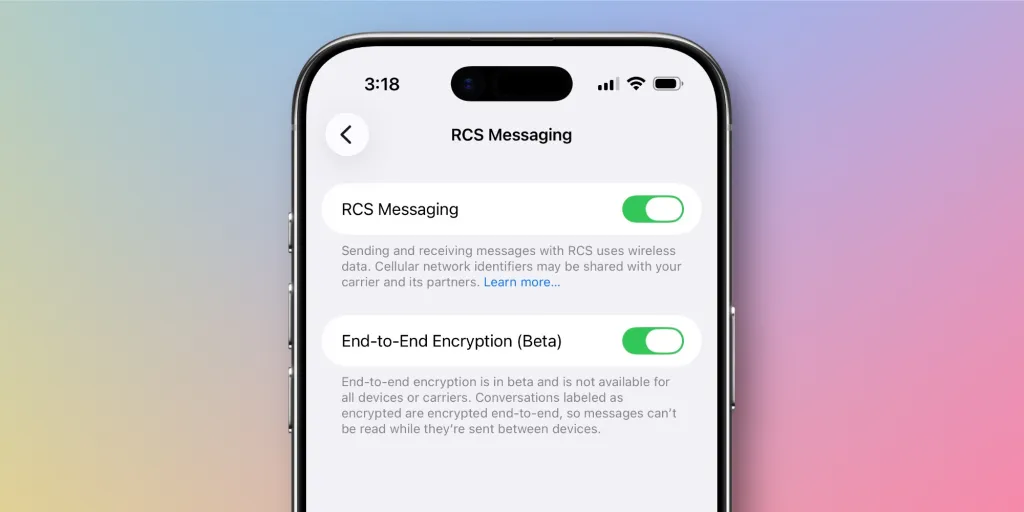
Despite the excitement, Apple has been careful to point out that the new feature will not be universally available. The company’s own release notes describe the rollout as a beta and emphasize that encrypted RCS messaging will only work with supported carriers. The feature will expand gradually rather than launch globally on day one.
There are two layers of availability that affect users. The first concerns devices, since not every iPhone may support the upgrade. The second, and more important, is carrier compatibility. Even when an iPhone has the latest software, the encryption may only work if the carrier supports it. This means users could see encrypted RCS chats with one contact but unencrypted ones with another, depending on the networks involved.
How RCS Encryption Differs From WhatsApp or iMessage
Understanding the new feature requires a quick look at how messaging encryption works on different platforms. WhatsApp messages are always end-to-end encrypted because WhatsApp controls every part of the conversation. The same applies to iMessage between Apple users, where the iconic blue bubbles signal that the message is fully secure.
Google Messages takes a similar approach, but only when both users are using updated versions of the app. If one end falls outside that environment, the encryption may not apply, and users have to manually check whether the conversation is secured.
The new RCS standard adopted by Apple and Google works differently. Encryption is built into the RCS protocol itself rather than the messaging app. That means encryption depends heavily on whether the carriers involved fully support the latest secure version. If one network supports it and the other does not, encryption may not function consistently across the conversation.
A Step Forward, But Not a Total Fix
For users hoping that all messaging gaps would close overnight, the reality may feel a bit underwhelming. Although the upgrade brings encrypted cross-platform messaging into the mainstream for the first time, the limitations mean many users will still need to use platforms like WhatsApp, Signal, or iMessage to ensure consistent security.
Apple confirmed in its messaging support documentation that detailed carrier and device support information will be updated as the rollout begins. Users will need to check whether their carrier supports the new encrypted RCS feature, especially if they regularly message contacts on Android.
Why Carriers Are Such an Important Piece of the Puzzle
Carriers are central to how RCS works because the protocol relies on them to deliver the messages, store keys, and manage encryption handshakes. Some major carriers have already announced support for upgraded RCS standards, but global rollout has been uneven.
In some regions, carriers have been slow to adopt newer messaging standards due to infrastructure costs, regulatory differences, or lack of motivation to upgrade. As a result, some users may have to wait months before encrypted RCS messaging becomes fully reliable on their networks.
This is one of the reasons Apple is emphasizing that the feature will roll out over time. The company doesn’t want users assuming all their messages are encrypted when, in reality, the level of security may shift based on the network they are connected to at any given moment.
What Users Can Expect Next Week
When iOS 26.5 launches, users with compatible iPhones and supported carriers should begin seeing improved messaging features. Conversations between iPhones and Android phones using updated RCS should automatically gain the security benefits of end-to-end encryption.
However, Apple has made it clear that it will not flag every conversation with a clear visual indicator like the blue bubble used in iMessage. Users may need to look at message details or settings to verify whether encryption is active. This is similar to how Google Messages handles encryption visibility on Android.
Why This Update Still Matters
Even with its limitations, the rollout of encrypted RCS messaging is a meaningful turning point. It addresses a major security gap that has existed between Apple and Android users for years. While it may not match the seamless encryption found in WhatsApp or iMessage, it provides a foundation for stronger, more secure cross-platform communication moving forward.
For users who frequently message across ecosystems, this update represents an overdue improvement. It also shows that Apple is willing to embrace open standards, even reluctantly, when consumer security demands it.
Tips for Users Navigating the Rollout
Users who want to ensure they are taking advantage of the new feature should consider a few practical steps once the update arrives. Updating to iOS 26.5 as soon as it becomes available is the first step. Confirming that your carrier supports encrypted RCS is the second. Verifying that recipients on Android are also using the latest version of Google Messages will help maintain a consistent security level.
For especially sensitive communication, users may still want to rely on platforms like Signal or WhatsApp, where encryption applies regardless of carriers or devices. These platforms remain the gold standard for secure messaging because they don’t depend on telecom networks to enforce encryption.
A Big Step in the Right Direction
Apple iPhone encrypted RCS messaging may not solve every messaging issue overnight, but it lays the groundwork for a more secure messaging future. The shift represents both a long-overdue acknowledgment of security risks and a willingness to evolve with global communication standards.
As iOS 26.5 begins rolling out next week, users will finally be able to enjoy a level of cross-platform security that was previously impossible. While availability remains limited at launch, the progress is real and significant. The era of unprotected texting between iPhone and Android users is slowly coming to an end, and that is a major win for everyone who values privacy and security in their daily conversations.
Author