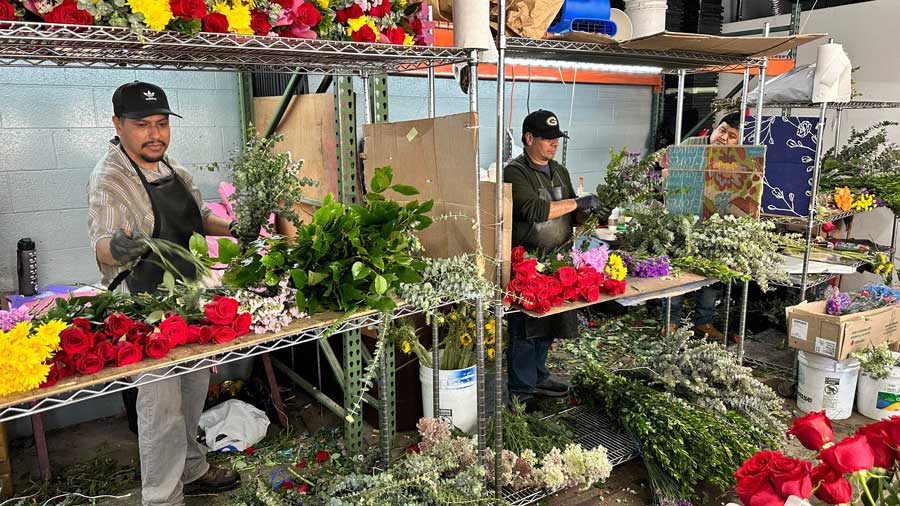
Mother’s Day flower prices are climbing this season, and the reason behind the increase is a combination of global supply chain pressures, rising fuel costs, and new tariffs. While Mother’s Day has always been one of the busiest times of the year for florists, this year’s bouquets are coming with noticeably higher price tags — and even smaller arrangements in some cases.
The True Cost Behind a Bouquet
Mother’s Day expenses can add up quickly. From brunch reservations to thoughtful gifts and heartfelt cards, families often spend more than they expect. But one of the most timeless tokens of appreciation — fresh flowers — is now contributing more to the bill than usual.
The reason is rooted in the journey each flower takes before reaching its final destination. A rose grown in Ecuador, for example, is harvested, flown to Miami International Airport, and then transported across the United States in refrigerated trucks before finally arriving at a wholesaler, grocery store, or florist. Every step in this long supply chain is being affected by rising costs this year.
Higher Fuel Prices Hit the Industry Hard
One of the biggest pressures on the floral industry right now is the spike in fuel prices. Flowers imported from Central and South America rely heavily on cargo planes for transportation, while last-mile delivery depends on diesel-powered trucks moving across the country.
This combination has created a costly chain reaction. As fuel prices have surged in recent months, every link of the supply chain has experienced higher operational costs, ultimately leading to pricier flowers for consumers.
According to the latest data from the Bureau of Labor Statistics, indoor plant and flower prices rose 7.5 percent year-over-year in March, more than double the overall inflation rate of 3.3 percent. The disparity highlights just how steep the increases in this niche industry have been.
Wholesalers Feel the Squeeze
For Saga’s Wholesale, a family-run business that has operated in the Los Angeles Flower District for more than 30 years, Mother’s Day is one of the most important times of the year. However, this season has come with significant challenges.
According to Marlene Gutierrez, the company’s business manager, fuel prices have become a major financial burden. She explained that the increase in fuel costs directly affects the price of flowers, leaving wholesalers with little choice but to pass those costs along.
To put the rise into perspective, a two-dozen bunch of roses now sells for around 30 dollars on average, compared to roughly 20 dollars at the same time last year — a striking 50 percent jump.
Where America’s Flowers Come From
More than 80 percent of cut flowers sold in the United States are imported, with Colombia leading the pack as the top supplier. Ecuador comes in second, while the Netherlands also plays a significant role in international trade.
About 90 percent of flower imports enter the United States through Miami International Airport, where they are quickly transferred to refrigerated trucks that distribute them nationwide. Because flowers are highly perishable, long-term storage is rarely an option. This makes the supply chain especially vulnerable to disruptions, including sudden energy price hikes.
According to Charlie Hall, professor of international floriculture at Texas A&M University, jet fuel is the second-largest cost driver in the imported flower supply chain, behind only labor. Any sharp increase in fuel costs is quickly reflected in the final price of bouquets sold to consumers.
Tariffs Add to the Pressure
In addition to high fuel prices, tariffs have also contributed to the cost surge. Although the United States and Ecuador signed a trade agreement in March, it has not yet gone into effect. As a result, roses imported from Ecuador are still subject to tariffs of about 15 percent.
Imports from the Netherlands face their own tariff challenges, with rates of at least 10 percent. These additional charges further increase the cost of bringing flowers into the country, putting more pressure on wholesalers, retailers, and ultimately, consumers.
Trucking Companies Adjust Their Pricing
The rising cost of fuel has also affected logistics companies that play a critical role in delivering flowers across the country. Armellini Logistics, which delivers blooms from Miami to 38 states, has implemented a weekly fuel surcharge that adjusts based on diesel prices.
The national average price of diesel recently hit 5.66 dollars per gallon, marking one of the highest levels seen since 2022. According to David Armellini, the company’s CEO, raising prices is not easy, but it has become unavoidable. He emphasized that when fuel costs rise, every link in the supply chain has to adjust accordingly.
Florists Adapt to Rising Costs
Local florists, who serve as the final touchpoint between flowers and customers, are also navigating these challenges. Around 75 percent of Mother’s Day shoppers plan to purchase flowers, with consumer spending in this category expected to reach 3.2 billion dollars — a number similar to last year’s total.
Flower Den Florist in Lorton, Virginia, a family-owned business operating for more than 35 years, is one of many shops feeling the impact. Co-managed by Jenny Kalifa and her son Kamal Kalifa, the store has had to raise the price of its premium rose bouquet by 7.5 percent compared to last year.
To maintain affordable price points, the business has absorbed some of the additional costs internally while slightly increasing delivery fees. Rising prices for supplies such as ribbons and vases have added even more financial pressure.
Customers Are Spending More Carefully
Despite the higher costs, most customers have been understanding. Kamal Kalifa explained that while shoppers still value flowers, they are now making more thoughtful decisions about bouquet size, optional add-ons, and whether to opt for pickup instead of delivery.
In short, customers are spending more selectively. They are still committed to celebrating Mother’s Day with flowers, but the way they shop has become more strategic.
Smaller Bouquets, Bigger Reasons
If the bouquet you give or receive this Mother’s Day looks slightly smaller or contains fewer stems than in previous years, there’s a good reason behind it. According to industry experts, florists have been carefully balancing rising costs with customer expectations, often by adjusting bouquet sizes rather than dramatically raising prices.
This strategy allows shops to keep flowers accessible while still managing their own financial pressures. It’s a behind-the-scenes effort that most consumers may not notice but plays a key role in keeping the industry afloat.
An Industry That Knows How to Adapt
Despite the current challenges, the floral industry has long shown its ability to bounce back from disruptions. From global pandemics to past supply chain shocks and trade disputes, florists and wholesalers have repeatedly demonstrated their resilience.
According to Charlie Hall, the industry continues to adapt by ordering supplies earlier, exploring creative sourcing options, and relying on long-standing relationships with growers. These strategies are helping ensure that mothers across the country still receive their well-deserved bouquets — even if the path from farm to vase is more expensive than ever.
A Meaningful Tradition Worth Preserving
While Mother’s Day flower prices may be on the rise, the sentiment behind the gesture remains as strong as ever. Whether the bouquet is large or modest, what matters most is the love and appreciation it represents. The flowers might cost a little more this year, but the smiles they bring to mothers everywhere remain absolutely priceless.
Author