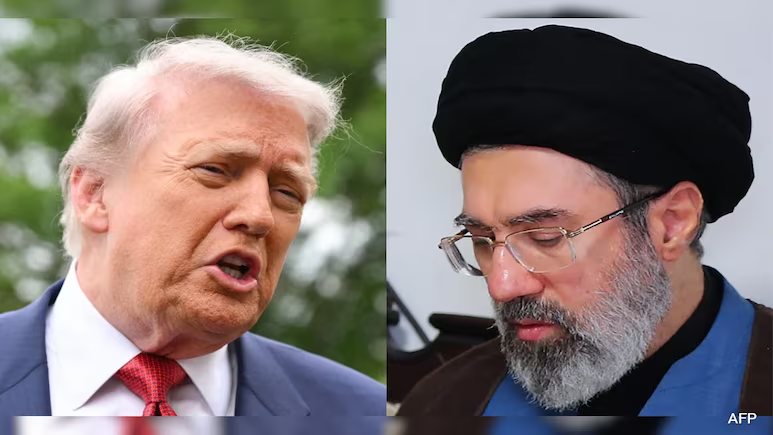
Trump Rejects Iran Peace Plan Response: “Totally Unacceptable,” Says President
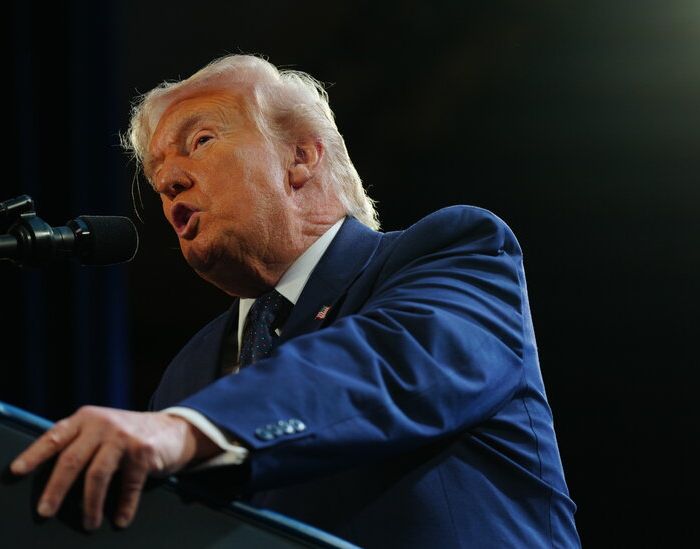
The Trump Iran peace plan negotiations took a sharp turn on Sunday after President Donald Trump openly dismissed Iran’s long-awaited reply to Washington’s latest draft proposal aimed at ending the ongoing war. Speaking briefly with Axios over the phone, Trump made it clear that he was unimpressed with Tehran’s stance, sparking fresh uncertainty over the future of diplomacy between the two nations.
Trump’s Blunt Reaction to Iran’s Counter-Proposal
After waiting nearly ten days for Iran’s formal response, the White House had hoped for signs of compromise. Instead, Trump’s reaction suggested the talks may have hit a serious wall.
“I don’t like their letter. It’s inappropriate. I don’t like their response,” Trump told Axios, refusing to share additional details about the content of the document.
He also took to Truth Social shortly afterward, where he labeled Iran’s reply as “TOTALLY UNACCEPTABLE,” reinforcing his displeasure publicly. Trump further remarked that Tehran has been “tapping along many nations for 47 years,” hinting at his frustration with what he sees as a long pattern of delay tactics from the Islamic Republic.
What Iran Actually Proposed
According to Iranian state media, Tehran’s response focused heavily on ending hostilities and securing guarantees that fighting would not resume. The Tasnim news agency, which has close ties to the Islamic Revolutionary Guards Corps, reported that the document emphasized several key demands:
- Lifting of all U.S. sanctions, particularly those tied to Iranian oil exports
- A complete end to the war across every front
- Iranian control over the management of the Strait of Hormuz
- Immediate termination of the U.S. naval blockade upon signing
- Release of Iran’s frozen assets as soon as the initial memorandum is signed
Iran reportedly agreed to the structure of an initial memorandum of understanding (MOU) followed by a 30-day negotiation window. However, Tehran insisted that sanctions on its oil sector be lifted during that same 30-day period — a condition that creates a clear sticking point with American negotiators.
Notably, the Iranian response did not mention any specific nuclear concessions, which has long been one of Washington’s central demands.
A Wide Gap Between Tehran and Washington
The terms outlined by Iran appear far removed from what U.S. officials were aiming for. American negotiators had hoped for measurable steps on Iran’s nuclear activities and a more balanced framework for de-escalation. Instead, Tehran’s proposal seems to prioritize relief from sanctions and military pressure first.
This mismatch in expectations has reignited concerns that diplomacy may collapse, leaving open the question of what comes next.
Trump’s Call With Netanyahu
Trump confirmed during his interview that he had spoken with Israeli Prime Minister Benjamin Netanyahu earlier on Sunday. The two leaders reportedly discussed Iran’s response among other issues.
“It was a very nice call. We have a good relationship,” Trump said. Still, he was quick to emphasize that handling Iran remains his personal responsibility, stating that the situation is “my situation, not everybody else’s.”
This remark suggests Trump intends to keep tight control over how the U.S. approaches Iran, regardless of pressure from allies.
Iran Pushes Back Hard
Iranian state television was equally dismissive of the American proposal. According to Tehran’s broadcasters, the U.S. plan effectively amounted to “Iran’s surrender to Trump’s excessive demands.”
A source close to the Iranian negotiating team told Tasnim that Trump’s reaction “has no importance,” adding pointedly that “no one in Iran writes proposals to please Trump.” The source added that Iranian negotiators only draft documents reflecting the rights of the Iranian people, and if Trump is unhappy with them, that’s actually a good sign.
This kind of rhetoric from Tehran suggests neither side is willing to back down easily, raising the possibility of a prolonged standoff.
Oil Markets React Instantly
Financial markets responded quickly to the news. Oil prices jumped roughly 3% in early trading after Trump’s comments became public. Brent crude, the global benchmark, climbed to around $104 per barrel by late Sunday evening.
The spike reflects investor anxiety over the potential for renewed conflict in the Persian Gulf, especially given the strategic importance of the Strait of Hormuz, through which a significant portion of the world’s oil supply flows.
What Happens Next?
Trump did not clearly indicate whether negotiations would continue or if Washington might shift toward military options. That uncertainty has already sparked political reactions back home.
Senator Lindsey Graham, a long-time advocate for tougher action against Iran, posted on X that the time has come to consider a change in approach. He pointed to:
- Repeated Iranian attacks on international shipping
- Ongoing strikes against U.S. allies in the Middle East
- Iran’s unacceptable diplomatic response
Graham added, “Project Freedom Plus sounds pretty good right about now,” referring to the naval operation that had been launched to escort ships safely through the Strait of Hormuz before Trump halted it after less than 48 hours.
A Critical Moment for U.S.–Iran Relations
The coming days could prove decisive. With the Trump Iran peace plan now at risk of unraveling, the world is watching closely to see whether diplomacy can be salvaged or whether the region is heading toward another dangerous escalation. For now, both sides appear dug in, leaving little room for compromise — and plenty of room for concern.
Author