Oil Prices Rise as US-Iran Peace Deal Stalls: What It Means for Markets and Gas Costs
The collapse of progress on the US-Iran peace deal has sent fresh waves through global markets, pushing oil prices higher and rattling investor confidence at the start of the week. After President Donald Trump publicly rejected Iran’s latest counterproposal, the dream of a near-term agreement appears to have faded — at least for now. The result is a spike in crude prices, jittery stock markets, and continued pressure on American consumers already paying steep gasoline costs.
Trump Slams Iran’s Response
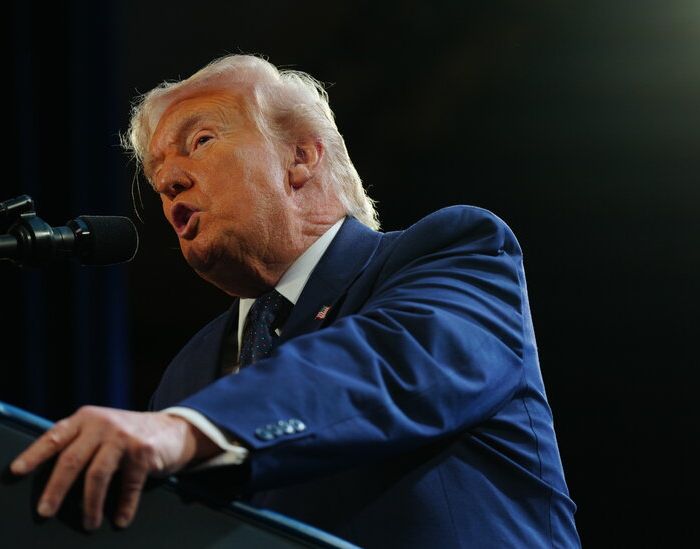
Tensions escalated late Sunday when Trump posted on social media that Iran’s response to Washington’s most recent proposal was “TOTALLY UNACCEPTABLE!” He provided no specifics about Iran’s terms but made clear his patience for ongoing negotiations was running thin.
Tehran, on the other hand, has continued to outline its position publicly. Iranian officials say they are working toward a short-term arrangement that would:
- Pause active fighting for another 30 days
- End Iran’s blockade of the Strait of Hormuz, a crucial oil and gas shipping corridor
Despite that framework being on the table, the gap between Washington’s expectations and Tehran’s demands remains wide. With talks stalled and rhetoric heating up, financial markets quickly priced in the higher risk of continued conflict.
Oil Prices Climb Sharply
Energy markets reacted almost immediately. With Iran controlling a strategic stretch of waterway in the Persian Gulf, any threat to supply chains has direct consequences on global oil flows.
Key market movements on Monday included:
- Brent crude, the international benchmark, jumped more than 3 percent, trading above $105 per barrel
- West Texas Intermediate (WTI), the US benchmark, surged over 4 percent, climbing above $99 per barrel
These price jumps reflect investor concern that the conflict could drag on, potentially disrupting global oil shipments. The Strait of Hormuz remains one of the most vital chokepoints in international energy logistics, with roughly a fifth of the world’s oil passing through it on any given day.
Stocks Slip as Investors Take a Cautious View
Stock markets weren’t immune to the geopolitical strain. Futures pointed to a softer open for the US on Monday, with the S&P 500 dipping about 0.1 percent.
In Asia, market reactions were mixed:
- South Korea’s KOSPI Index rose more than 4 percent, buoyed by domestic factors
- Japan’s Nikkei 225 declined slightly, down less than 1 percent
For oil-importing economies, the rising crude prices are particularly worrying. Higher fuel costs can inflate prices across multiple industries, weighing on consumer spending and corporate earnings alike.
Pain Continues at the Pump
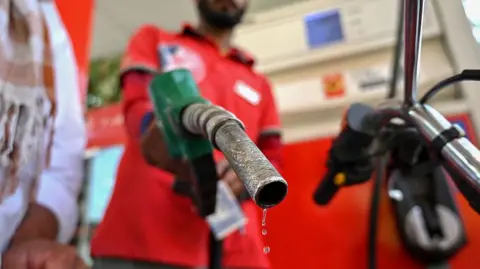
Although gas prices in the United States dipped slightly over the weekend, drivers continue to face significantly elevated costs compared to before the conflict began.
According to AAA:
- The national average price for regular gasoline slipped about one cent to $4.52 per gallon on Sunday
- Diesel held steady at $5.65 per gallon
Despite the small decline, drivers are still paying:
- Roughly 52 percent more for regular gasoline since the war started
- Around 50 percent more for diesel
Notably, gas prices don’t move in lockstep with crude oil. Because retail fuel reflects production, refining, and distribution costs, changes typically lag crude price shifts by several days. This means the latest jump in oil could push pump prices higher again later this week.
Trump Administration Considers a Federal Gas Tax Pause
To ease the strain on American consumers, the Trump administration is now considering an option that has occasionally been floated during periods of high fuel costs — pausing the federal gas tax.
Energy Secretary Chris Wright said on Sunday that the White House would be open to suspending the tax, which currently accounts for 18.4 cents of every gallon sold in the United States.
While the move could provide modest temporary relief, analysts note that the impact may be limited if oil prices keep climbing. Pausing the gas tax could:
- Reduce per-gallon prices slightly for drivers
- Offer political relief in the short term
- Lower federal infrastructure tax revenue
- Potentially be offset by further oil price hikes
It remains unclear when, or even whether, the administration will move forward with the pause.
A Volatile Global Energy Outlook
The breakdown in talks comes at a particularly sensitive moment for the global energy sector. Markets have spent months hoping for de-escalation, only to be disappointed repeatedly. With the Strait of Hormuz still partially blocked and tensions rising, the outlook for stable oil prices in the near term appears uncertain.
Several factors are shaping the unfolding situation:
- Iran’s demands for sanctions relief on its oil exports
- US insistence on broader concessions, including limits on nuclear activity
- Continued military tensions in the Persian Gulf
- Pressure from US allies like Israel and Gulf nations
- Investor anxiety driving speculative trading in oil futures
For now, traders are taking a cautious approach, balancing the possibility of renewed talks against the risk of escalation.
What Investors and Consumers Should Expect Next
Both Wall Street and ordinary Americans are watching the situation closely. The combination of expensive oil, fragile diplomacy, and an unpredictable political environment could create significant volatility in the coming weeks.
Things to monitor in the days ahead include:
- Any fresh signals from the White House about diplomatic next steps
- Potential military developments near the Strait of Hormuz
- New rounds of negotiations or back-channel communications
- Movement in OPEC’s production strategy
- Whether the US activates emergency measures like releasing strategic oil reserves
If tensions ease, oil markets could quickly cool, bringing some relief. But if the conflict escalates, prices could climb even higher and reverberate across the global economy.
A Pivotal Moment for Diplomacy and Markets
The failed progress on the US-Iran peace deal serves as a stark reminder of how deeply political decisions can shape financial markets and daily life. Whether Washington and Tehran can find common ground soon — or whether the standoff deepens — will determine the next chapter for oil prices, gas costs, and the broader global economy. For now, the world is left waiting, watching, and bracing for what comes next.
Author