Peter Magyar Launches Crackdown on Orban’s Loyalists in His First Days as Hungary’s New PM
Peter Magyar Hungary prime minister role officially began just days ago, yet the new leader has already signaled that he intends to deliver one of the most dramatic political shake-ups Hungary has seen in over a generation. Within minutes of being sworn in, Magyar set his sights on dismantling the vast loyalist network built by his predecessor, Viktor Orban, in a move analysts say should leave many former regime insiders deeply worried.
A Bold Start to a Historic Premiership
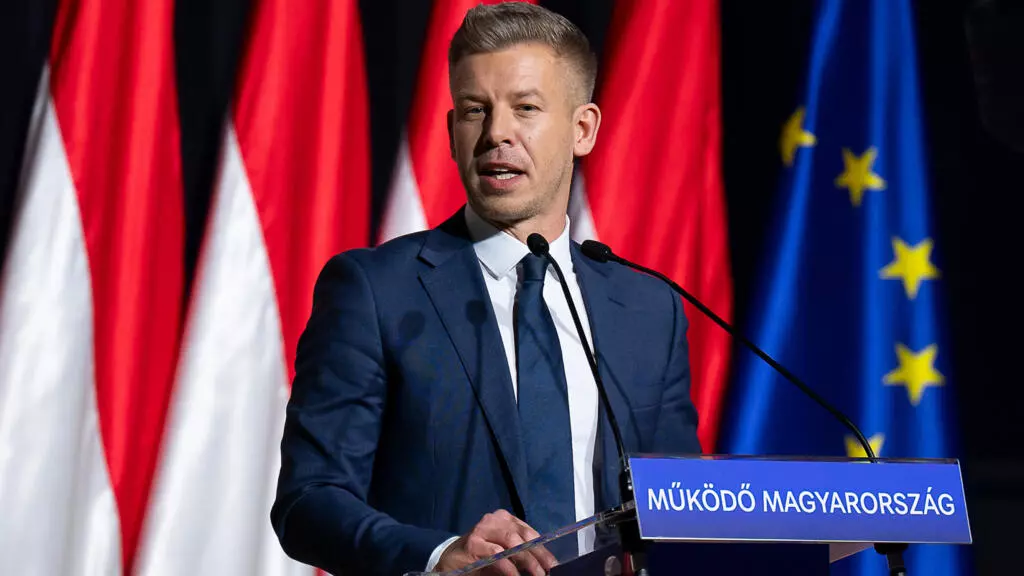
On Saturday, 45-year-old Peter Magyar stood at the podium in Hungary’s parliament and delivered his first speech as the country’s new prime minister. His message was unambiguous: the Viktor Orban era is over, and so is the political machinery that kept it running for more than 15 years.
Magyar immediately renewed his demand for the resignation of President Tamas Salyok, along with several Orban-appointed officials who currently occupy powerful positions in Hungary’s judicial and oversight institutions. He gave them until May 31 to step down voluntarily, urging them to “leave with some dignity, while it’s possible.”
His swift action confirms what many already suspected — Magyar fully intends to follow through on the campaign promises that propelled his centre-right Tisza party to a landslide victory over Orban’s Fidesz last month.
The End of an “Opposition-Proof” State
For more than a decade, Orban built what critics described as an “opposition-proof” political system in Hungary. Through carefully placed loyalists, constitutional reforms, and control over state institutions, his government weakened oversight and tightened its grip on power.
Magyar has openly declared that this structure will be dismantled. Budapest-based journalist Zsolt Kerner of news outlet 24.hu said the new leader appears determined and “hard-headed,” warning that members of the first, second, and even third tier of Orban’s network should be “very afraid.”
A Promise of Justice and Accountability
A central pillar of Magyar’s campaign was the pursuit of justice for corruption and political abuses committed during Orban’s tenure. Hungary, under the new prime minister, will no longer act as a refuge for corrupt officials or politically embattled allies seeking to escape prosecution abroad.
This shift in policy already appears to be having an effect. Within just 36 hours of Magyar’s swearing-in, Poland’s former justice minister Zbigniew Ziobro confirmed he had fled Hungary and traveled to the United States.
Ziobro’s Sudden Departure
Ziobro, who had been granted asylum in Hungary under Orban’s government, faces a string of serious charges back in Poland, including:
- Abuse of power
- Leading an organized criminal group
- Diverting public funds to purchase spyware used against political opponents
If convicted, he could face up to 25 years in prison. Reports suggest that U.S. President Donald Trump personally approved Ziobro’s American visa, adding an extra geopolitical layer to the situation.
Kerner said Ziobro likely would have been one of Magyar’s first targets, especially given the new prime minister’s desire to repair ties with Poland’s pro-EU Prime Minister Donald Tusk and revitalize the Visegrad Group — a regional alliance that also includes the Czech Republic and Slovakia. Relations within this bloc had deteriorated significantly under Orban’s pro-Russia stance.
According to Kerner, Magyar has indicated that if Poland formally requested it, Hungary would now hand over both Ziobro and his former deputy, Marcin Romanowski, who had also received asylum during Orban’s rule.
Hungary’s Wealthy Insiders Under Pressure
It’s not only political figures who could find themselves in Magyar’s crosshairs. Businessmen who amassed enormous fortunes under Orban’s rule — many widely seen as financial proxies for the regime — are also expected to face scrutiny.
In the weeks leading up to Magyar’s installation, several former Orban associates reportedly began transferring assets out of Hungary. According to The Guardian, some were even exploring U.S. visa options, hoping to find new opportunities at institutions linked to the MAGA movement in America.
This wave of preemptive moves suggests that many insiders already anticipate aggressive anti-corruption measures from the new government.
The Challenge of Removing Orban’s Allies
Despite his fast start, Magyar faces a significant uphill battle. Many of Orban’s appointees still hold powerful positions in state institutions, including:
- The presidency
- The public prosecution office
- The state audit office
- Key judicial bodies
Zsuzsanna Vegh, a political analyst at the German Marshall Fund, cautioned that calling on these officials to resign does not guarantee they will. If they refuse, Hungary could enter a complex legal battle, potentially requiring constitutional changes to remove them from office.
Vegh noted that Magyar has already demonstrated a clear willingness to move quickly. The fact that he gave officials a May 31 deadline suggests that his Tisza party has prepared a detailed roadmap for what happens if they choose to defy his demands.
A Crumbling Political System
According to Vegh, the political system Orban built to ensure his dominance is already beginning to fall apart. April’s election proved that his long-standing strategy — built on loyalty, patronage, corruption, and the perception that he was politically untouchable — no longer works.
The myth of Orban’s invincibility was shattered when voters delivered a decisive defeat to Fidesz, opening the door for Magyar’s reformist agenda. Now, with the new government moving quickly, the broader transformation of Hungarian politics appears to be in full motion.
Repairing Hungary’s International Image
Beyond domestic reforms, Magyar is also focused on repositioning Hungary on the international stage. His government is expected to:
- Strengthen relations with the European Union
- Rebuild ties with Visegrad partners
- Distance Hungary from Russia’s political influence
- Pursue cooperation with Western democracies
- Restore Hungary’s reputation as a rule-of-law country
This shift is seen as crucial for Hungary’s economic recovery and political credibility, especially after years of strained relations with Brussels over democratic backsliding and corruption concerns.
A New Political Era for Hungary
Magyar’s first days in office have made one thing absolutely clear: Hungary is entering a new political era. Whether by demanding resignations, signaling extraditions, or warning corrupt elites, the new prime minister is making rapid moves to reshape the country’s political landscape.
The road ahead will not be easy. Constitutional hurdles, entrenched loyalists, and powerful financial networks could all complicate his reform agenda. Yet his fast-paced approach, popular mandate, and willingness to confront difficult challenges suggest that Hungary may finally be undergoing the political transformation many citizens have demanded for years.
For Peter Magyar, Hungary’s prime minister, the work has only just begun — but the message to Orban’s loyalists has already been delivered loud and clear.
Author