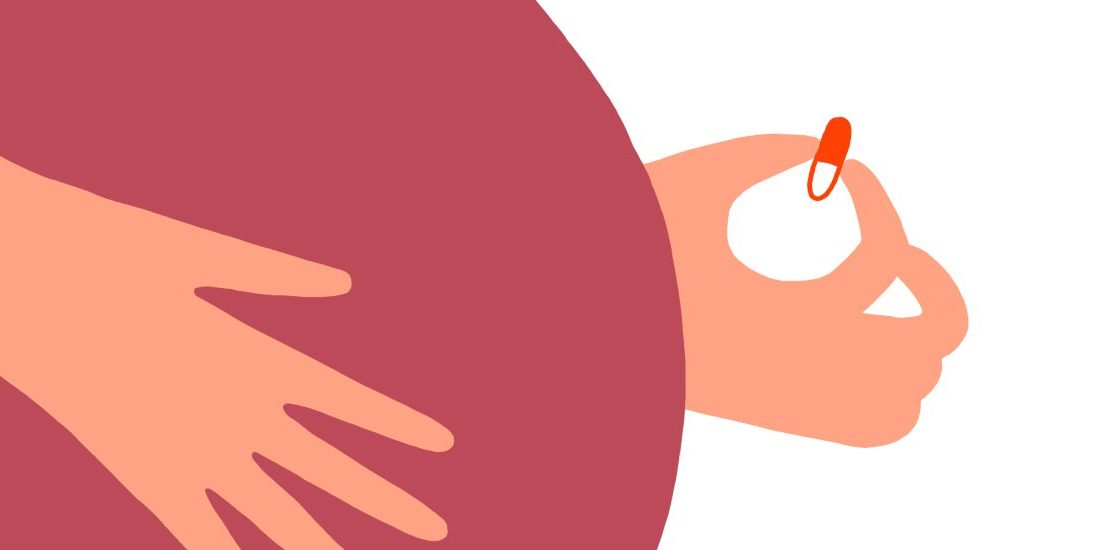
Antidepressants in Pregnancy Do Not Cause Autism or ADHD, Major Study Confirms
Antidepressants in pregnancy have long been a source of worry for expectant mothers, but a powerful new study is putting many of those fears to rest. Researchers from the University of Hong Kong have confirmed that taking antidepressants during pregnancy does not raise the risk of a child developing autism or attention deficit hyperactivity disorder (ADHD). Published this week in The Lancet Psychiatry, the findings provide some of the strongest evidence yet that commonly prescribed medications, particularly SSRIs, are safe for fetal development.
A Comprehensive Look at the Evidence
The Hong Kong-based research team conducted a thorough systematic review and meta-analysis of 37 previously published studies. Their goal was to evaluate whether selective serotonin reuptake inhibitors (SSRIs) and other antidepressants truly contribute to neurodevelopmental conditions in children.
Combined, the studies analyzed data from more than 600,000 pregnant women who used antidepressants, comparing their outcomes with those of approximately 125 million women who did not. Once other influencing factors were taken into account, the researchers found no meaningful evidence linking these medications to autism or ADHD.
What the Researchers Discovered
The findings highlight that the small risk initially observed in some earlier studies appears to vanish when other factors are properly considered. According to Dr. Wing-Chung Chang, one of the lead authors, the increased risk was also present among:
- Children of fathers who used antidepressants
- Children of mothers who had taken antidepressants before, but not during, pregnancy
This pattern suggests that the medications themselves are not the cause. Instead, genetic predisposition, family history of mental health conditions, and underlying biological factors are more likely contributors to neurodevelopmental differences.
“We know many parents-to-be worry about the potential impact of taking medication during pregnancy,” Dr. Chang explained. He emphasized that the study offers reassurance that commonly prescribed antidepressants do not increase the risk of autism or ADHD in children.
Balancing Risks and Benefits
While no medication is completely without risk, stopping antidepressants during pregnancy can have serious consequences. Untreated moderate-to-severe depression increases the chance of relapse and can negatively impact both maternal well-being and fetal health. Dr. Chang stressed that doctors and patients must carefully weigh the benefits of continued treatment against the potential harm of untreated depression.
In other words, mental health care during pregnancy is essential, not optional. Supporting the mother often means supporting the baby as well.
A Note on Specific Medications
The study did identify a small association between autism or ADHD and the use of amitriptyline or nortriptyline, two medications generally prescribed for treatment-resistant severe depression. However, these drugs are not part of the SSRI family and are typically used in more complex cases. Researchers emphasized that this small link does not extend to the broader category of antidepressants commonly prescribed during pregnancy.
Mental Health, Autism, and ADHD: An Overlapping Reality
It is also important to recognize that anxiety and depression are notably more common among adults with autism or ADHD. According to a 2026 NHS cohort study:
- 40 percent of autistic participants had been diagnosed with anxiety
- 62 percent had experienced past or current depression
A 2018 systematic review reported similar findings, with anxiety affecting up to 42 percent and depressive disorders affecting between 23 and 37 percent of autistic adults. These overlapping conditions help explain why many women who need antidepressants during pregnancy may also have genetic or familial links to neurodevelopmental conditions, which in turn could appear in their children regardless of medication use.
Past Medication Concerns Re-examined
This is not the first time researchers have had to address fears about pregnancy medications and autism. For example, earlier studies once raised concerns about paracetamol, also known as acetaminophen. Later analyses found that the apparent link was largely indirect, with the strongest factor being parental autistic traits rather than the drug itself. The new SSRI findings follow a similar pattern, reinforcing the importance of looking beyond surface-level correlations.
Expert Reactions Around the World
Researchers not involved in the study praised its significance. Lisa Vitte, Emmanuel Devouche, and Gisele Apter from the University of Rouen Normandy in France told The Lancet that the findings confirm what growing evidence has already suggested. They stated that antidepressants should continue to be used during pregnancy when needed, as they protect maternal mental health without harming fetal development.
For many clinicians, the study marks a turning point after years of conflicting and sometimes alarming reports.
A Counterpoint to Recent Public Health Statements
The timing of the study is particularly notable. Just last week, the United States health agency issued a press release discouraging the use of antidepressants, especially SSRIs. The head of the agency has previously made claims linking prenatal SSRI exposure to autism, despite limited supporting evidence.
The new Lancet Psychiatry findings stand in clear contrast to those statements, offering scientifically rigorous reassurance for both healthcare providers and expectant mothers navigating tough decisions about their mental health care.
What This Means for Expectant Mothers
For women managing depression or anxiety, the message is clear: thoughtful, medically guided use of antidepressants during pregnancy remains a safe and responsible choice. Decisions should always be made in close consultation with healthcare providers, taking into account the severity of symptoms, personal history, and overall well-being.
Key takeaways for expecting mothers include:
- SSRIs do not appear to cause autism or ADHD in children
- Stopping antidepressants abruptly can lead to relapse and harm maternal health
- Genetic and familial factors play a far larger role in neurodevelopmental conditions
- Open conversations with healthcare professionals are essential
Final Thoughts
The latest research from The Lancet Psychiatry brings welcome clarity to a long-debated topic. Mothers who rely on antidepressants during pregnancy can feel more confident knowing that science continues to support the safety of these medications for fetal development. By prioritizing both mental wellness and informed medical guidance, expecting mothers can take meaningful steps to protect themselves and their growing families.
Author