Gas Station Hack Targeting Fuel Tank Systems Raises Alarm Over Iranian Cyber Threats
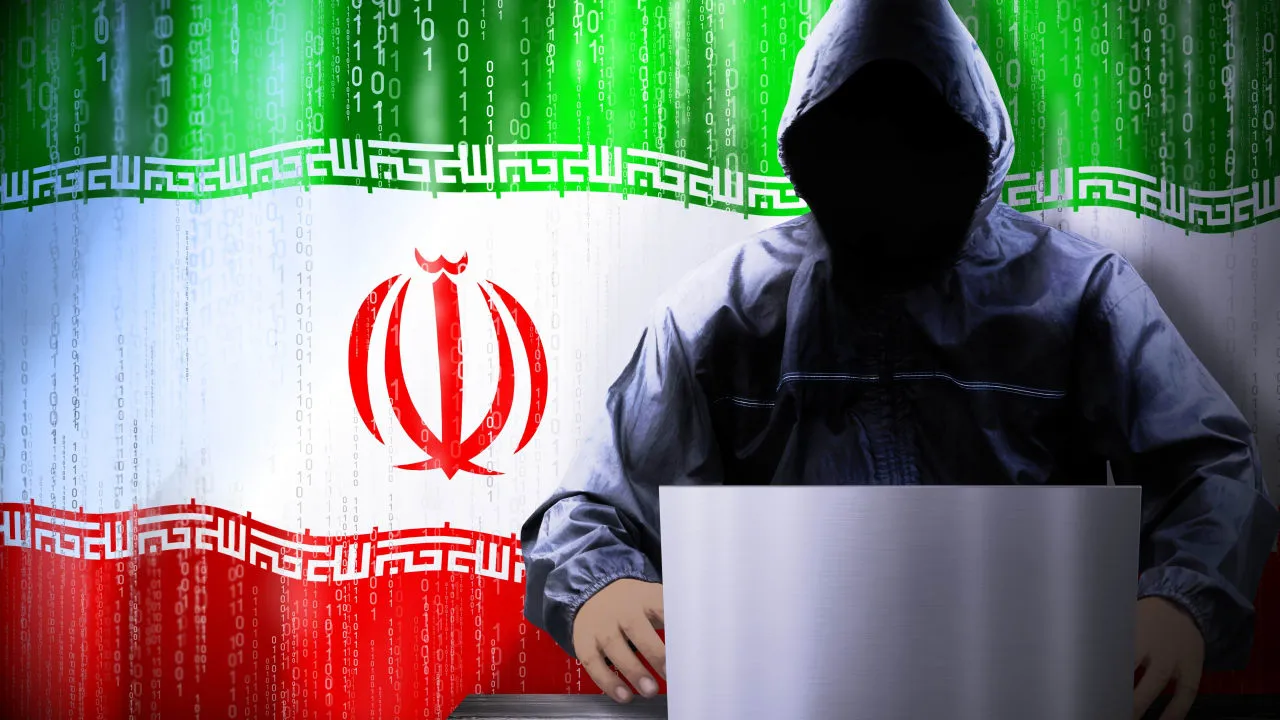
A widespread gas station hack has put U.S. officials on high alert, with suspicion falling squarely on Iran. According to multiple sources briefed on the matter, hackers have breached systems used to monitor fuel levels in storage tanks at gas stations across several states. While the intrusions have not yet caused physical harm, they have exposed serious vulnerabilities in critical infrastructure and reignited concerns about Iran’s growing cyber ambitions.
How the Breach Happened
At the center of the incident are automatic tank gauge (ATG) systems, which track how much fuel is stored in underground tanks at gas stations. Investigators found that many of these systems were left exposed online without password protection, making them an easy target for hackers.
In some cases, the attackers were able to manipulate the display readings on the tanks. Importantly, however, they did not alter the actual fuel levels inside the tanks. The breach affected monitoring data, not the physical fuel supply itself.
Why This Hack Is So Concerning
Although no physical damage or injuries have been reported, security experts and U.S. officials warn that the implications are serious. Gaining control of an ATG system could, in theory, allow a hacker to mask dangerous conditions.
Key safety concerns include:
- The possibility of a fuel leak going undetected
- Manipulated readings that could mislead station operators
- Exposure of weakly secured infrastructure to future attacks
- The potential for more damaging intrusions down the line
In short, while this particular gas station hack caused limited disruption, it highlights how a small vulnerability could escalate into a significant safety hazard.
Why Iran Is the Prime Suspect
Sources briefed on the investigation point to Iran as the leading suspect, largely because of Tehran’s documented history of targeting fuel tank systems. However, officials have cautioned that definitively identifying the perpetrators may prove difficult, as the hackers left behind little forensic evidence.
If Iran’s involvement is confirmed, it would mark another instance of Tehran targeting critical infrastructure on U.S. soil, an arena far beyond the reach of Iranian drones or missiles, amid the ongoing conflict involving the United States, Israel, and Iran.
The timing also carries political weight. The war has contributed to higher gas prices, and a recent CNN poll found that 75 percent of U.S. adults said the conflict had negatively affected their finances. A high-profile attack on fuel systems could draw even more attention to that economic strain.
A Long-Standing Warning Ignored
Cybersecurity researchers have been sounding the alarm about internet-facing ATG systems for more than a decade. As far back as 2015, the security firm Trend Micro set up fake ATG systems online to observe who would target them, and a pro-Iran group quickly emerged.
Further evidence came in 2021, when leaked internal documents reportedly tied to Iran’s Islamic Revolutionary Guard Corps identified ATG systems as potential targets for disruptive cyberattacks on gas stations. Despite these repeated warnings, many infrastructure operators have struggled to secure their systems, even after years of federal urging.
Iran’s Cyber Operations Are Accelerating
For years, U.S. intelligence agencies viewed Iran’s cyber capabilities as inferior to those of China or Russia. But recent events suggest Iran has become a more capable and unpredictable adversary.
Since the war began in late February, hackers linked to Tehran have:
- Caused disruptions at multiple U.S. oil, gas, and water facilities
- Triggered shipping delays at Stryker, a major U.S. medical device manufacturer
- Leaked the private emails of FBI Director Kash Patel
According to Yossi Karadi, head of Israel’s National Cyber Directorate, Iran’s wartime cyber activity has shown a notable rise in scale, speed, and coordination between hacking and psychological campaigns.
Pressure on Iranian Hackers
Iran’s cyber forces appear to be operating under increasing strain. In March, the Israel Defense Forces claimed to have struck a compound housing Iran’s “Cyber Warfare headquarters,” though it remains unclear whether any operatives were killed.
Karadi noted that, from a defensive standpoint, there has been some decline in hostile cyber activity in recent months. Still, he warned that Iranian actors remain under pressure and are actively searching for any opening in cyberspace to exploit.
A New and Evolving Playbook
Experts say Iran’s overall cyber strategy has evolved significantly. Allison Wikoff, a threat intelligence director at PwC with over a decade of experience tracking Iranian hackers, explained that Iran’s operations are accelerating, with faster execution, multiple hacktivist personas, and likely AI-assisted tools for reconnaissance and phishing.
She noted that a particularly new element is Iran’s rapid creation of “good-enough” malware, including destructive wiping software, paired with aggressive hack-and-leak campaigns aimed at media outlets, dissidents, and key U.S. civilian infrastructure.
Part of this strategy involves exploiting a wartime media environment eager to react to dramatic claims. Hackers tied to Iran’s intelligence ministry and paramilitary forces maintain numerous “hacktivist” personas, often using Telegram to exaggerate their successes, publish stolen data, and share polished promotional videos.
The Handala Example
One such group, calling itself Handala after a well-known Palestinian cartoon character, taunted FBI Director Kash Patel and claimed to have breached the FBI’s supposedly impenetrable systems. In reality, the hackers had only accessed Patel’s years-old Gmail account.
Cybersecurity researcher Alex Orleans, who leads threat intelligence at Sublime Security, said the panic surrounding every Handala claim reveals how poorly both government agencies and vendors communicate the actual scale of the Iranian threat.
Orleans also offered two reasons why Iran has not carried out even more attacks. First, Iran appears to lack consistent access needed to deliver sustained damage, or there would likely have been more incidents like the Stryker disruption. Second, the regime has shown a clear intention to survive, which discourages reckless cyber operations that could provoke severe retaliation.
Concerns Ahead of the Midterm Elections
For many current and former U.S. officials, Iran’s unpredictable cyber behavior is especially worrying with the midterm elections approaching.
History offers clear warnings. In 2020, federal agencies blamed Iran for a scheme impersonating the far-right Proud Boys to intimidate voters. During the 2024 presidential election, Iranian hackers breached the Trump campaign and leaked internal documents to news organizations.
Yet for the first election cycle in years, U.S. military and intelligence officials have not activated a specialized team dedicated to countering foreign election threats, a decision one former Cyber Command official described as “strategic malpractice.”
Chris Krebs, who led CISA in 2020, said he would be surprised if Iran sat out the midterms. He predicted the bigger threat would come from information operations rather than direct attacks on election systems, noting that such campaigns are cheap, easy to scale with AI, and rarely punished.
Final Thoughts
This gas station hack may not have caused immediate harm, but it serves as a stark reminder of how exposed critical infrastructure remains. With Iran’s cyber operations accelerating and the midterm elections on the horizon, the incident underscores an urgent need for stronger digital defenses.
As investigators work to confirm responsibility, one lesson stands out clearly: unprotected systems, no matter how minor they seem, can become gateways to far larger threats. Strengthening cybersecurity is no longer optional, it is essential to protecting both public safety and national security.
Author