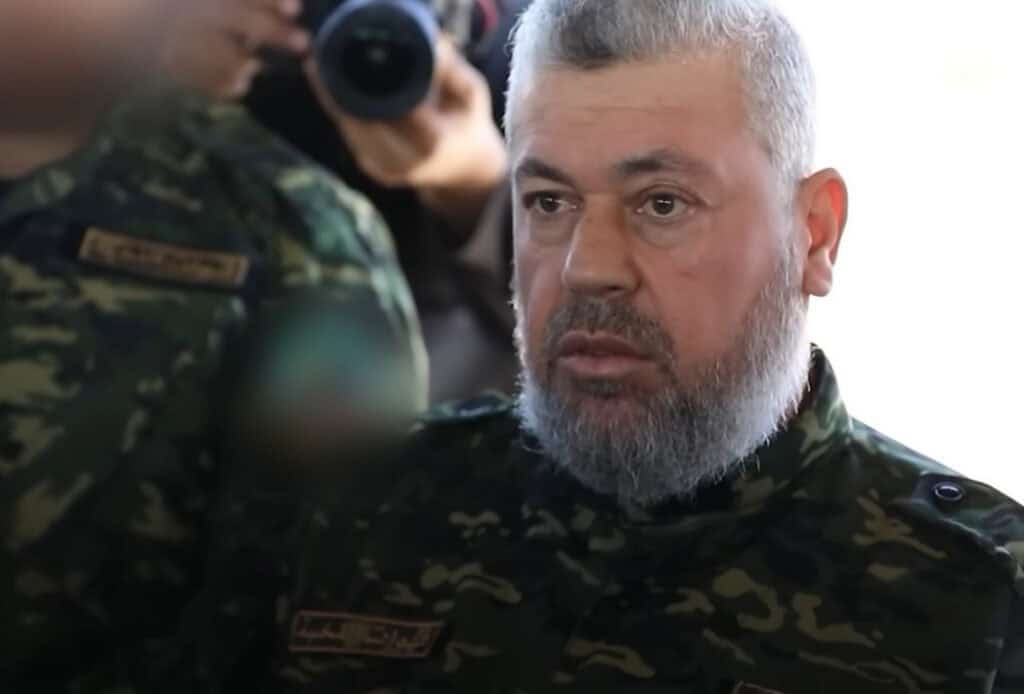
Izz al-Din al-Haddad killed in an Israeli airstrike — that is the message Israeli officials delivered on Saturday, marking what they describe as the end of a long manhunt for one of the central figures behind the October 7, 2023 attacks. According to the Israel Defense Forces (IDF), the senior Hamas commander died in a strike on Gaza City carried out the day before.
Who Was Izz al-Din al-Haddad?
Haddad was no ordinary fighter. He had stepped into the role of head of Hamas’ military wing after the death of Mohammed Sinwar, making him one of the most powerful figures left in the organization’s armed structure. Israeli officials say his fingerprints were all over the planning of the deadly October 7 assault.
His history with Hamas stretched back decades. He joined the group during its earliest days in 1987 and slowly climbed its ranks, moving from a unit commander to overseeing entire brigades across Gaza. Born in the territory in 1970, he became known by the nicknames “Abu Suhaib” and the “Ghost of Al-Qassam” — a reflection of how elusive he proved to be over the years.
A Long-Hunted Target
For Israel, Haddad had been a priority target for a long time. Back in November 2023, authorities offered a reward of $750,000 for information leading to his capture or death. He reportedly survived several assassination attempts and had spent years moving between hideouts to stay out of reach.
The IDF said it finally located him after years of patient intelligence work. According to Israeli media reports, government approval for the operation was given roughly ten days before the strike, once intelligence officials were confident enough about his whereabouts.
How the Strike Was Carried Out
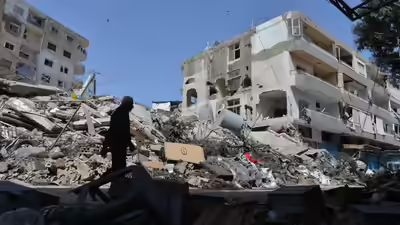
The Israeli military described the operation as a “precise strike” in Gaza City. Reports indicate that the Israeli Air Force hit a residential building in the Rimal neighborhood where Haddad was believed to be hiding. At the same time, forces targeted a vehicle leaving the area — a move designed to block any chance of escape.
The Associated Press reported two separate strikes in Gaza City on Friday: one aimed at a building and the other at a vehicle. Medical officials at facilities including Shifa Hospital said seven people were killed and dozens more were wounded. Haddad’s family told the AP that he died alongside six others.
Hamas and Family Confirm the Death
For a short period, there was no formal confirmation. Israel initially announced only that it had “targeted” Haddad, stopping short of declaring him dead. But within hours, the picture became clearer.
Haddad’s own family confirmed his death to The Associated Press, and his funeral was held in Gaza City on Saturday. Mosques across northern Gaza announced his “martyrdom,” and a senior Hamas official later confirmed to Reuters that the group’s military chief and Gaza leader had been killed.
A Commander Tied to the Hostage Crisis
One of the most disturbing aspects of Haddad’s role, according to Israeli officials, was his connection to the captives held in Gaza. The IDF said he was deeply involved in managing the hostage network and had a habit of surrounding himself with hostages to shield himself from airstrikes.
That detail carries weight because several freed hostages have spoken about him directly. Former captives recalled meeting him during their time in captivity, and some described his demeanor and even moments of unsettling personal interaction.
IDF Chief of Staff Lt. Gen. Eyal Zamir captured the emotional significance of the news. He said that in conversation after conversation with returning hostages, Haddad’s name surfaced repeatedly. For Israel, his death is being framed as the closing of a painful chapter.
Some former hostages reacted publicly, expressing relief that the man they held responsible for their abduction and suffering was gone.
Why This Matters for the Broader Conflict
The timing of the strike is significant. It came during a fragile ceasefire between Israel and Hamas, and Haddad is the most senior Hamas figure killed since a U.S.-backed truce took effect in October 2025.
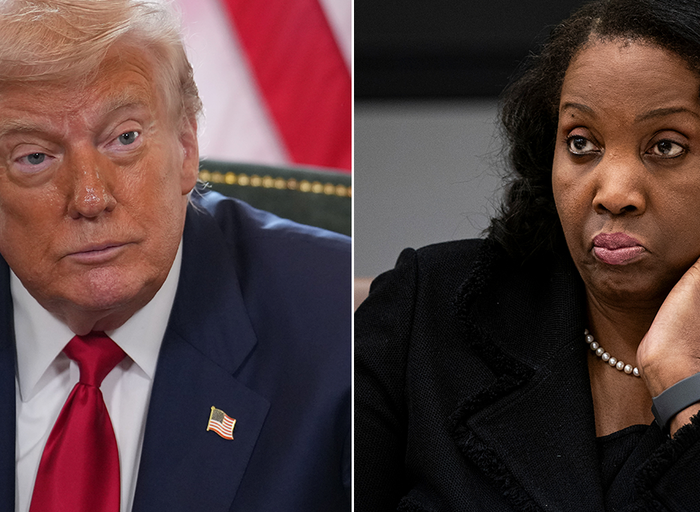
Israeli officials have also framed his death in political terms. In a joint statement, Prime Minister Benjamin Netanyahu and Defense Minister Israel Katz accused Haddad of refusing to cooperate with efforts to disarm Hamas and demilitarize Gaza under a postwar plan backed by U.S. President Donald Trump. One Israeli official went further, suggesting he had been actively undermining that plan.
With Haddad gone, Israel says it has eliminated the last major architect of the October 7 attacks who was still operating inside Gaza. Whether his death changes the trajectory of the stalled negotiations, or simply hardens positions on both sides, remains an open question.
The Bigger Picture
The death of Izz al-Din al-Haddad represents both a symbolic and operational blow to Hamas’ military leadership. For Israel, it is a long-sought outcome years in the making. For the wider region, it lands at a tense moment when a delicate ceasefire is still being tested and diplomatic talks remain unresolved.
What happens next will depend heavily on how Hamas responds and whether the loss of such a senior commander shifts the balance in ongoing efforts to bring a lasting end to the war.
Author