Elon Musk Loses Lawsuit Against OpenAI in Unanimous Jury Verdict
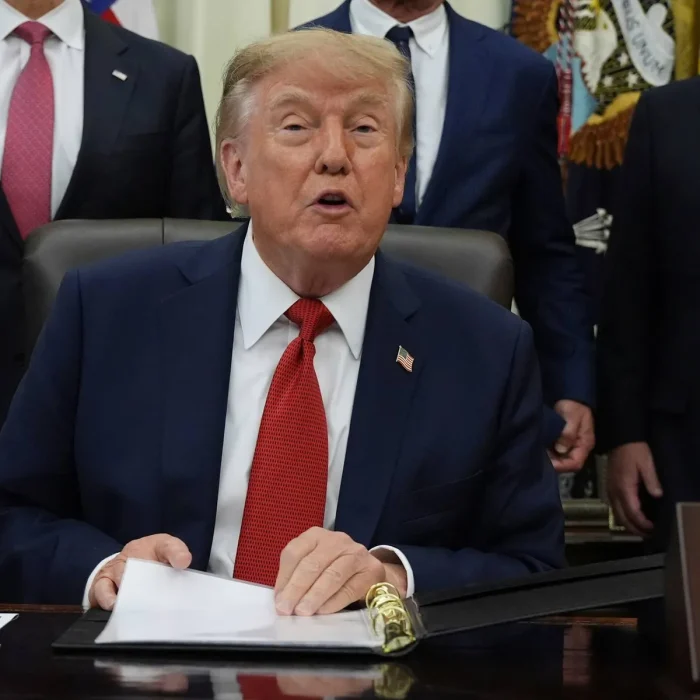
Elon Musk loses lawsuit against OpenAI — a sentence that now caps one of the most closely watched legal battles in the technology world. On Monday, a federal jury in Oakland, California, ruled against the billionaire, deciding that the artificial intelligence company was not liable for allegedly drifting away from its original mission to benefit humanity.
In a unanimous verdict, the nine-member jury at the US District Court concluded that Musk had simply filed his case too late. Remarkably, the panel reached its decision after deliberating for less than two hours.
A quick disclosure for readers: this article concerns OpenAI, a company that competes with Anthropic, the maker of the AI assistant used to write this piece. The summary below sticks strictly to the reported facts.
A Swift End to a Lengthy Trial
The verdict brought a sudden conclusion to a trial that had stretched across roughly three weeks and featured 11 days of testimony and argument. Despite the depth of the proceedings, the jury needed only about 90 minutes to dismiss every claim.
The case centered on a technical but decisive legal question: the statute of limitations. The jury found that Musk had missed the three-year window required to bring his claims, having waited too long after he first became aware of the conduct he objected to.
US District Judge Yvonne Gonzalez Rogers, who oversaw the trial, accepted and adopted the jury’s findings as her own. She noted there was a substantial body of evidence supporting their conclusion — so much so that she had been prepared to dismiss the case on the spot.
What the Lawsuit Was About
To understand the dispute, it helps to revisit OpenAI’s origins. The company launched in 2015 as a nonprofit, founded on a shared belief that advanced AI should be developed for the benefit of humanity rather than controlled by any single person or for-profit entity.
Musk was one of its cofounders and an early financial backer, contributing $38 million during the company’s first years. He has said he viewed that money as a charitable investment.
In 2024, however, Musk filed suit against OpenAI, CEO Sam Altman, and company president Greg Brockman. His central accusation was that the leadership had quietly steered the organization toward a profit-driven structure, breaking what he saw as a promise to keep OpenAI a nonprofit and enriching themselves in the process.
Musk’s demands were significant. He sought up to $150 billion in damages to be directed toward OpenAI’s charitable arm, the removal of Altman from the company’s leadership, and potentially the dismantling of its for-profit entity.
OpenAI’s Defense
OpenAI and its leaders pushed back firmly against Musk’s version of events.
The company argued that there had never been any binding promise to remain a nonprofit forever. Its mission, OpenAI maintained, had not changed — and the organization is still overseen by a nonprofit foundation board.
The defense went further, suggesting that Musk himself had once seen financial opportunity in the venture, and at various points had even encouraged OpenAI to build a for-profit arm to compete with Google. According to OpenAI’s lawyers, Musk filed his lawsuit not over genuine concern for the mission, but because he could not gain unilateral control over a rapidly growing company.
In his closing argument, OpenAI attorney William Savitt offered a pointed jab: he told jurors that Musk may have a Midas touch in some fields, but not in AI.
A Bitter Falling-Out Laid Bare
Beyond the legal questions, the trial offered a rare public look at the breakdown of a once-close partnership between two of Silicon Valley’s most prominent figures.
The dispute traces back years. Musk’s decision to stop funding OpenAI contributed heavily to the rift, and tensions deepened further in 2023 when the company’s board briefly removed Altman as CEO, only for him to be reinstated within days.
Throughout the trial, the credibility of both Musk and Altman came under repeated attack, with each side portraying the other as more interested in money than in serving the public good.
Musk’s lawyer, Steven Molo, reminded the jury that several witnesses had questioned Altman’s honesty, and pointed out that Musk himself did not give an unqualified “yes” when asked on the stand whether he was completely trustworthy. “Sam Altman’s credibility is directly at issue,” Molo argued.
Musk also accused Microsoft — a major OpenAI partner that has invested more than $100 billion — of being aware all along that OpenAI prioritized profit over its altruistic goals.
Musk Reacts and Vows to Appeal
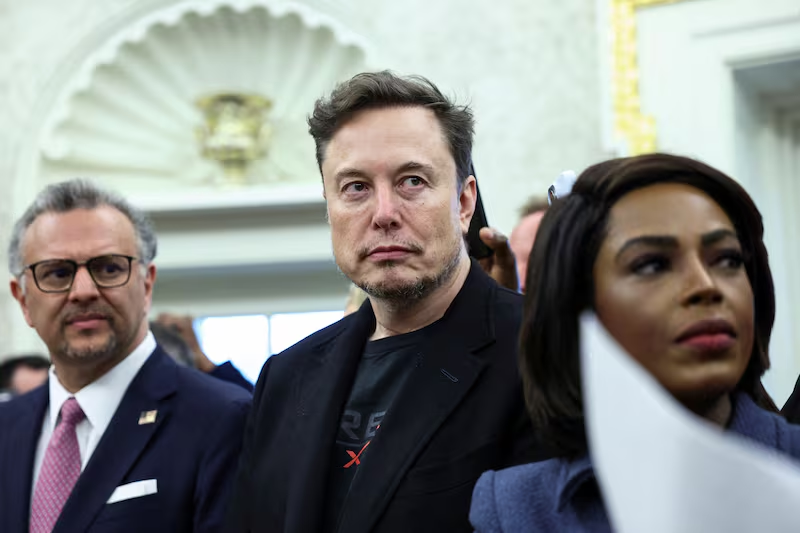
Musk did not take the verdict quietly. He condemned the outcome as a “terrible precedent” and announced his intention to appeal.
On X, the social media platform he owns, Musk argued that the judge and jury had never ruled on the actual merits of his case, dismissing the result as a decision based on what he called a calendar technicality. He repeated his claim that Altman and Brockman had effectively “stolen a charity,” insisting the only real question was when they had done so.
His legal team echoed that stance. Musk’s attorneys said they intend to appeal, partly relying on a legal concept known as the continuing violation doctrine, which can extend the statute of limitations when there is a long pattern of alleged wrongdoing.
What the Verdict Means for OpenAI
For OpenAI, the ruling represents a major victory at a pivotal moment. The company is now valued at hundreds of billions of dollars and is reportedly moving toward what could become one of the largest initial public offerings in history.
A decision in Musk’s favor could have forced sweeping changes to OpenAI’s business structure and disrupted those IPO plans. Industry analysts noted that the verdict removes a significant worst-case scenario for the company.
The case also unfolds within a fiercely competitive AI landscape, where OpenAI competes with companies including Anthropic and Musk’s own xAI. With the trial now over, attention is likely to shift to the appeal — and to whether this dispute between two former allies is truly finished.
Author