The Ebola outbreak in Congo has triggered deep anxiety on the ground, with healthcare workers warning that they are underprepared, undertrained, and overwhelmed as a rare strain of the virus spreads across one of the most fragile regions in the world. In eastern Congo, where conflict and instability have already pushed communities to the edge, the arrival of Ebola has added a frightening new layer of suffering.
For families already struggling with displacement and violence, the outbreak feels like an impossible second blow. Local voices describe a mixture of fear, exhaustion, and quiet determination as the crisis unfolds.
A Rare and Worrying Virus Strain
This particular outbreak involves a less common form of Ebola known as the Bundibugyo strain, which has appeared only a handful of times since it was first identified. While the World Health Organization has classified the global risk as low, the situation inside Congo tells a more troubling story.
The first known death from this outbreak was reported in Bunia, a city in the country’s east. Health experts believe there was a significant delay before the virus was correctly identified, which is now making contact tracing far more difficult. According to the WHO, the original source of the infection, often called patient zero, has not yet been found.
That missing piece of the puzzle is critical. Without knowing where the outbreak began, public health teams are essentially trying to map the spread of a fire without knowing where the spark started.
A Region Already Under Strain
What makes this outbreak especially dangerous is the environment in which it is happening. Eastern Congo has been plagued by years of armed conflict, with various rebel groups controlling key territories. One major city in the region, where Ebola cases have now been confirmed, is under the influence of armed forces, making it extremely difficult for health workers to operate safely.
Reaching affected communities requires navigating both geographical barriers and security risks. Roads are often unsafe, supplies can be intercepted, and medical teams sometimes need protection just to reach remote villages. This combination of disease and conflict creates a uniquely dangerous public health emergency.
Voices From the Ground
For residents of Bunia, the outbreak feels deeply personal. Justin Ndasi, a local resident, expressed the heartbreak many in the community share. He described the painful reality of facing a deadly virus on top of an already heavy security crisis, calling the situation both sad and frightening.
His words echo what many others feel in the area. Years of instability have worn down the community’s resilience, and now Ebola has added a new and invisible threat that does not discriminate between civilians, soldiers, or aid workers.
Shortages, Rising Prices, and Stretched Supplies
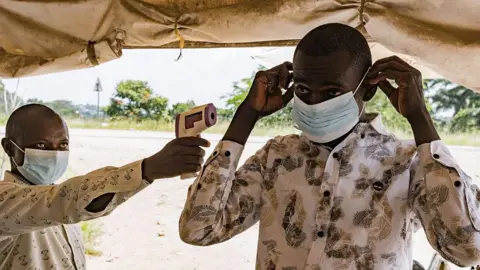
While tons of medical supplies have been flown into Bunia to support the response, residents say that essentials remain difficult to find at the local level. Masks have become scarce in many neighborhoods, and prices for everyday protective items have climbed sharply.
For example, certain disinfectants that previously sold for around 2,500 Congolese francs, roughly one US dollar, are now being sold at nearly four times that price. For families with limited income, this kind of inflation can mean the difference between protection and exposure.
Some of the most pressing challenges currently facing health workers include:
- Insufficient protective equipment such as masks and gloves
- Limited training for frontline medical staff
- Restricted access to communities controlled by armed groups
- Rising prices for sanitation and hygiene supplies
- Difficulty tracing contacts due to delayed detection
Each of these factors makes the outbreak harder to contain and treatment efforts more dangerous.
Why Detection Delays Matter
Time is one of the most valuable resources during any Ebola outbreak. The longer it takes to identify the virus, the more chances it has to spread silently between people. In this case, experts believe the delayed detection in Bunia allowed the virus to move further than it otherwise might have.
Ebola spreads through direct contact with bodily fluids of an infected person, including blood, sweat, and saliva. In a region where families care for sick relatives at home and burial traditions often involve close physical contact with the deceased, this delay carries serious consequences.
Health workers are now racing to identify everyone who may have come into contact with confirmed cases. That work, however, depends on cooperation, trust, and safe access to affected neighborhoods. All three are difficult to secure in a conflict zone.
The Global and Local Response
International organizations, including the WHO and the Red Cross, are working alongside Congolese health authorities to coordinate the response. Treatment centers are being set up, supplies are being delivered, and vaccination strategies are being explored where possible.
However, experience from past outbreaks shows that the most effective response often comes from local healthcare workers who know the community, speak the language, and understand cultural practices. Supporting them with the right tools, training, and protection is now a top priority.
A Reminder of the Fragility of Health Systems
The current Ebola outbreak in Congo serves as a stark reminder of how quickly a public health crisis can develop when systems are already under strain. Conflict, poverty, displacement, and weak infrastructure all create conditions in which dangerous viruses can take hold and spread.
For now, the focus is on slowing the outbreak, protecting communities, and supporting the brave healthcare workers risking their lives every day. Whether this outbreak remains contained or grows into something larger will depend on the speed of the response, the cooperation of local groups, and the strength of the international support that follows.
In the words of those living through it, the people of eastern Congo are weary but not without hope. They have survived crises before, and with the right help, they aim to survive this one too.
Author