Ebola Travel Restrictions Force Air France Flight to Detour From Detroit to Montreal
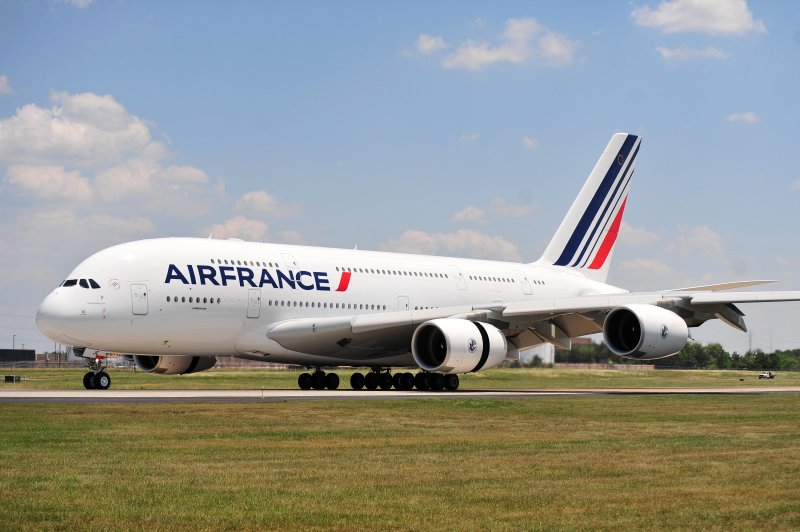
The new Ebola travel restrictions imposed by the United States made headlines this week after an international flight bound for American soil was suddenly redirected mid-journey. An Air France plane traveling from Paris to Detroit was forced to land in Montreal instead, all because one of its passengers had recently been in the Democratic Republic of Congo, a country currently dealing with a serious Ebola outbreak.
The incident has drawn fresh attention to the sweeping border measures recently put in place by the Trump administration and the practical complications they are already creating for international air travel.
What Happened on Flight 378
The flight in question, identified as Air France Flight 378, took off from Paris on Wednesday with Detroit as its scheduled destination. However, the plane never made it across the US border. According to a statement issued by the airline on Thursday, the diversion happened because a Congolese national onboard was refused entry into the United States.
Air France was clear in noting that no medical emergency took place during the flight. The decision had nothing to do with anyone showing symptoms or feeling unwell. The diversion was entirely the result of new American policies designed to limit who can enter the country during the current outbreak.
The plane ultimately landed safely in Montreal, where it was allowed to disembark its passengers under Canadian jurisdiction.
US Border Restrictions in Effect
Earlier in the week, on Monday, the Trump administration officially closed American borders to anyone who had recently traveled to the Democratic Republic of Congo, Uganda, or South Sudan. The decision was made in direct response to the rising Ebola outbreak spreading across central Africa.
These restrictions are scheduled to remain in place for thirty days, after which officials will reassess and decide whether to extend them. American citizens and members of the US military are exempt from the entry ban, although they are still subject to enhanced screening procedures upon arrival.
The State Department has also issued strong warnings urging Americans to avoid travel to any of the three affected nations. For those who must return from the region, the rules have become significantly stricter.
All Affected Travelers Must Use Dulles Airport
In an announcement made Thursday, the State Department confirmed that any traveler heading to the United States, whether a citizen, permanent resident, or visitor, who has been in the affected African countries within twenty-one days of arrival must enter the country exclusively through Washington Dulles International Airport. This single point of entry is being used to centralize enhanced health screening efforts and reduce the chances of the virus reaching American communities undetected.
This narrow funnel is meant to streamline medical inspections and ensure that any travelers potentially exposed to Ebola can be quickly evaluated and monitored by trained medical staff.
Customs and Border Protection Confirms the Decision
US Customs and Border Protection confirmed that the agency had refused permission for the Air France plane to land in Detroit. According to officials, Air France had inadvertently boarded a passenger originating from the Democratic Republic of Congo, an action that violated the new entry rules.
In a public statement, the agency explained that because of the active travel restrictions designed to limit the risk of Ebola entering the country, the passenger should never have been allowed onto the flight in the first place. Customs officials did not immediately respond to follow-up questions about additional details regarding the traveler’s history or destination.
Inside the Ebola Outbreak
The events come against the backdrop of a growing Ebola crisis declared just days earlier. On Sunday, the World Health Organization officially labeled the outbreak a public health emergency of international concern. The classification is reserved for situations that pose serious cross-border health risks and require coordinated global responses.
Current estimates suggest that the outbreak has already caused more than one hundred thirty deaths and produced nearly six hundred infections across the affected region. Despite the alarming numbers, the WHO Director General offered reassurance on Wednesday that the situation is not likely to develop into a worldwide pandemic. While the outbreak is serious and demands immediate attention, public health leaders believe it can be contained with the right resources and international cooperation.
A Glimpse at Larger Tensions
The diversion of Flight 378 highlights some of the friction created by sudden policy shifts during evolving health crises. Airlines, passengers, and customs agencies are all forced to adjust on extremely tight timelines. Mistakes like the one Air France acknowledged, where a passenger from a restricted region was accidentally allowed to board, can result in significant operational disruptions and frustrating outcomes for travelers caught in the middle.
International health experts have generally been critical of travel bans as a primary response to outbreaks. Many argue that such measures often fail to stop the spread of disease and instead create economic and humanitarian hardship for affected countries. The Africa CDC, for example, has publicly called on nations to avoid fear-driven travel restrictions and instead focus on supporting outbreak containment at the source.
Still, the Trump administration has firmly defended its approach, presenting the restrictions as a necessary precaution to protect American public health. Whether the policy proves effective in limiting Ebola’s reach, or simply causes more diplomatic and logistical strain, will become clearer in the weeks ahead.
What This Means for Travelers
For anyone planning international travel in the near future, the Air France incident serves as a clear reminder of how quickly policies can change during a public health emergency. Travelers should carefully check entry requirements before booking flights, particularly if their journey involves stopovers or recent travel through any country experiencing an active outbreak.
Airlines are also being pushed to tighten their boarding procedures and screening protocols to avoid similar incidents in the future. The cost of getting it wrong, as Air France learned, can mean a major mid-flight diversion and a stranded passenger thousands of miles from where they had planned to be.
A Story Still Developing
As the outbreak continues and global responses evolve, more travel disruptions could follow. The thirty-day window of the current US restrictions means that by mid-June, the policy will be revisited, possibly extended, or modified. For now, travelers, airlines, and border officials will all be watching closely as the situation unfolds.
Author