Department of War Europe Troop Reduction Marks Major Strategic Shift
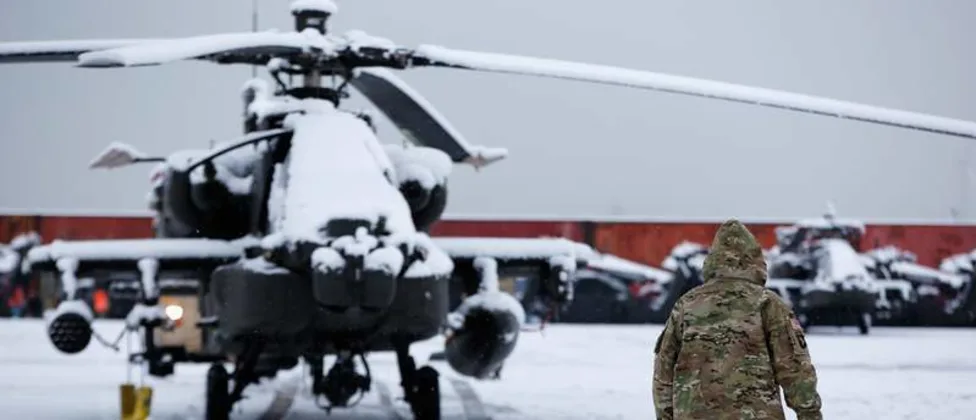
In a significant development for U.S. military posture overseas, the Department of War has officially announced a reduction in the number of Brigade Combat Teams (BCTs) stationed in Europe. The shift drops the total from four BCTs down to three, bringing the American footprint back in line with where it stood in 2021. The decision, revealed in a statement from the Assistant to the Secretary of War for Public Affairs, also creates a temporary delay in the planned deployment of U.S. forces to Poland.
The announcement adds another layer of complexity to an already fluid conversation about America’s role in European defense, particularly as NATO allies continue to navigate ongoing security threats from Russia.
What the New Decision Actually Means
According to the official statement, the move was not made impulsively. Department officials describe it as the result of a thorough, multilayered review focused specifically on U.S. force posture across Europe.
Key points from the announcement include:
- The number of Brigade Combat Teams in Europe drops from four to three
- The reduction returns U.S. presence to 2021 levels
- The deployment of American forces to Poland will be temporarily delayed
- Poland is still considered a model U.S. ally
- Future force levels in Europe will depend on continued strategic and operational analysis
Officials emphasized that this is not a finalized long-term posture but rather a current adjustment that will continue to evolve.
Why the Department Is Making This Move
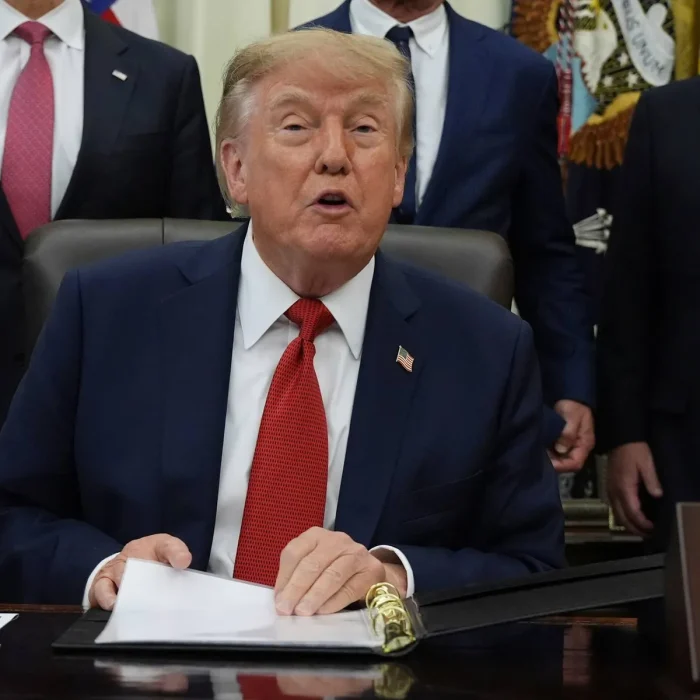
The reasoning behind the change ties directly into President Trump’s broader America First strategy. According to the Department, the shift is designed to encourage NATO allies to take on a larger share of responsibility for Europe’s conventional defense.
In other words, the U.S. is signaling that European nations need to step up and shoulder more of the burden when it comes to defending their own continent. This approach mirrors a recurring theme of the Trump administration’s foreign policy: emphasizing burden-sharing within NATO and pushing allies to contribute more both financially and militarily.
The statement makes clear that the goal isn’t to retreat from Europe but to reshape the U.S. role there in a way that aligns more closely with current strategic priorities.
Poland Remains a Priority Despite the Delay
Even though the deployment to Poland is being pushed back, the Department of War went out of its way to emphasize that Poland remains an essential partner. The statement praised Poland for demonstrating both the willingness and the capability to defend itself, calling on other NATO members to follow that example.
To reinforce the message of continued cooperation, Secretary Pete Hegseth personally spoke with Polish Deputy Prime Minister Władysław Kosiniak-Kamysz earlier in the day. The Department confirmed that ongoing communication with Polish counterparts will continue throughout the analysis process.
Officials also stressed that the U.S. intends to maintain a strong military presence in Poland over the long term, despite the temporary pause in deploying additional forces.
A Confusing Week for U.S. Military Posture
This latest announcement comes during a particularly turbulent stretch for U.S. military planning in Europe. Just a day earlier, President Trump publicly stated that the U.S. would be sending an additional 5,000 troops to Poland, citing his support for newly elected Polish President Karol Nawrocki.
That announcement appeared to contradict the Department’s broader direction. Now, with the Department of War clarifying that troop levels are actually being reduced and that the Poland deployment is on hold, observers are left trying to reconcile two seemingly opposing messages within the same week.
This back-and-forth has raised questions about coordination between the White House and the Pentagon, and what the actual long-term strategy for Europe might look like.
What This Means for NATO and European Defense
The implications of the BCT reduction extend well beyond Poland. The change sends a clear signal to NATO that the United States expects allies to step up. Several European nations have already begun ramping up defense spending and modernizing their militaries in response to Russia’s continued aggression in the region.
Key takeaways for NATO allies include:
- The U.S. will continue to support European defense but expects more contribution from partners
- Countries with strong defense investment, like Poland, will likely be viewed as models
- Allies relying heavily on American protection may need to rethink their long-term strategies
- Future U.S. troop placements will be tied to performance and contribution, not just legacy commitments
For nations near Russia’s border, this approach may be both motivating and concerning. While it reinforces the importance of self-reliance, it also raises questions about how quickly the U.S. would respond if a crisis escalated.
The Broader America First Strategy
The Department’s statement explicitly frames the BCT reduction as part of Trump’s America First agenda. This strategy prioritizes refocusing U.S. resources, reducing what the administration views as overcommitments abroad, and encouraging partners to take a more active role in their own defense.
While critics worry this approach could weaken alliances and embolden adversaries like Russia, supporters argue it forces necessary updates to a defense structure that has remained largely unchanged for decades. They believe a more balanced division of responsibility within NATO is long overdue.
What Comes Next
The Department of War has indicated that more details will be released when appropriate. For now, what’s clear is that:
- The U.S. is rebalancing its military presence in Europe
- Poland will not see immediate troop reinforcements
- Diplomatic communication between Washington and Warsaw remains active
- Final decisions about future deployments will depend on ongoing strategic reviews
European allies, NATO leadership, and global observers will be watching closely to see how this evolving posture takes shape over the coming months.
Final Thoughts
The Department of War Europe troop reduction marks a meaningful turning point in how the United States approaches its role on the continent. By scaling back to three Brigade Combat Teams and pausing the Poland deployment, the administration is reinforcing its message that European nations must take greater ownership of their defense. While Poland is praised as a strong example, the broader implication is clear: the era of relying primarily on U.S. forces to safeguard Europe may be transitioning into something new. Whether that shift strengthens or strains the transatlantic alliance will become clearer in the months ahead.
Author