The fragile path toward a Trump Iran peace deal appears to be holding, even after fresh American military strikes struck Iranian targets on Tuesday. While Tehran sharply condemned the attack as a betrayal, it stopped short of pulling out of ongoing negotiations, signaling that both sides may still be willing to walk the final mile toward an agreement.
Iran Reacts Strongly but Stays at the Table
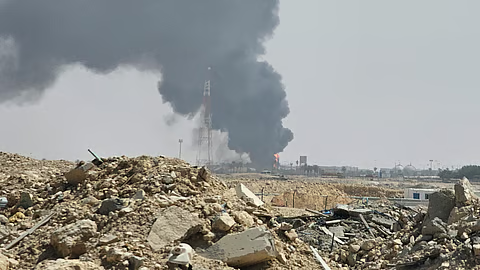
The Iranian foreign ministry wasted no time in criticizing the United States after American forces hit missile launchers and disrupted what officials described as efforts to plant new mines in the Strait of Hormuz. Tehran labeled the strikes as “an act of bad faith” and accused Washington of committing a clear violation of the existing ceasefire.
Iranian officials warned that the aggression would not go without a response. However, in a notable diplomatic move, Iran did not withdraw from the active peace discussions being mediated jointly by Pakistan and Qatar. This decision suggests Tehran is calculating carefully, weighing public outrage against the strategic benefits of a finalized deal.
Four Soldiers Killed, but No Immediate Retaliation
The US strikes reportedly killed four Iranian soldiers, a significant loss that could have easily escalated tensions further. Yet the Iranian military stopped short of announcing any specific retaliatory measures. Analysts suggest this restraint reflects Tehran’s broader strategic priorities at this delicate stage of diplomacy.
Iran reportedly views the upcoming agreement as a potential historical milestone, one it plans to celebrate as a triumph of resistance and negotiation. Allowing the strike to derail months of careful diplomacy would risk losing that symbolic victory.
Key factors shaping Iran’s restrained response include:
- The desire to preserve the diplomatic gains made under Pakistan and Qatar’s mediation
- Concerns about further military escalation with the United States
- The chance to frame an eventual deal as a national triumph
- Economic pressures that make a peace agreement increasingly attractive
Oil Markets React Quickly
Financial markets responded almost immediately to the news of renewed hostilities. Brent crude oil futures jumped by around 4 percent following reports of the fresh fighting, reflecting global investor anxiety over potential disruptions to energy supplies. The Strait of Hormuz remains one of the most strategically important waterways in the world, and any instability in the region tends to send oil prices climbing.
Trump Postpones Rare Cabinet Meeting
President Donald Trump appeared to recognize the gravity of the moment. He had been scheduled to host a rare cabinet meeting at Camp David, the presidential retreat tucked away in the Maryland mountains. Cabinet meetings at this location are uncommon and usually reserved for matters of significant national importance.
However, Trump announced on his Truth Social platform that the meeting had been postponed due to poor weather conditions. Whether the delay was purely weather-related or also influenced by the rapidly evolving situation with Iran remains unclear. Either way, the planned gathering underscored how seriously the administration is treating the current crisis.
What’s Next for US Iran Relations
The coming days will likely prove critical for the future of US Iran relations. With talks still underway and mediators from Pakistan and Qatar working behind the scenes, there is cautious optimism that a deal could still be reached. At the same time, the recent strikes have introduced fresh uncertainty into an already complicated diplomatic process.
Observers will be watching closely for several developments:
- Whether Trump reschedules the postponed cabinet meeting and what topics dominate the agenda
- How Iran balances domestic pressure for retaliation with its diplomatic goals
- Movement in global oil prices as the situation evolves
- Any public statements from Pakistani or Qatari mediators about progress in talks
For now, both Washington and Tehran appear to be navigating a tightrope, with each side trying to project strength while leaving the door open to a historic agreement. The world is watching to see whether diplomacy can survive this latest test or whether the situation will spiral into broader conflict.
Author