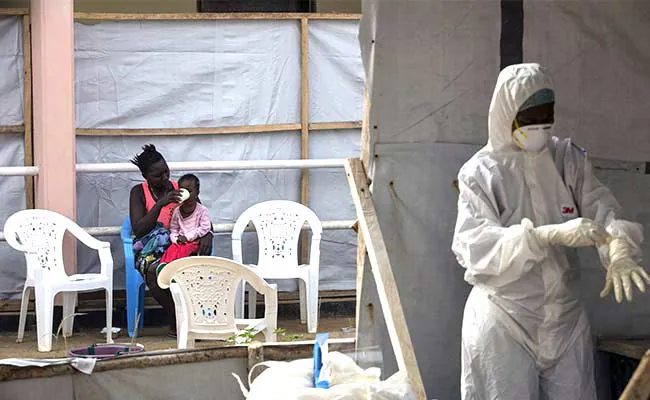
The Congo Ebola outbreak has now reached at least 282 confirmed cases, the central African nation announced late Sunday, as the country grapples with a disease that has no approved treatment or vaccine. Yet amid the alarming figures, stories of survival are offering a measure of hope, with recovered patients describing their indescribable joy at having beaten the illness.
The outbreak presents a difficult balance between sobering numbers and genuine reasons for optimism.
The Scale of the Outbreak
According to Congo’s Ministry of Health, the outbreak remains concentrated in the country’s eastern Ituri province. Of the 282 confirmed cases, 264 have been recorded in that region, making it the clear epicenter of the crisis.
The broader picture is even more concerning. Congo has reported over 1,000 suspected cases involving the Bundibugyo virus, the species of Ebola currently circulating. Compounding the difficulty, this virus has no approved treatment or vaccine, leaving health workers with limited tools to fight it directly.
The Challenges of Containment
Stopping an Ebola outbreak is a complex undertaking, and Congo’s health ministry has been candid about the obstacles it faces. Containing the spread depends on several interlocking efforts.
The main challenges include:
- Early detection and rapid isolation of cases.
- Rigorous contact tracing to identify those who may have been exposed.
- Safe and dignified burials, which are critical to preventing transmission.
- Strengthening infection prevention and control within health facilities.
Progress on these fronts has been mixed. The contact tracing coverage rate stands at just 45%, with 220 suspected cases currently under investigation, underscoring how much work remains to bring the outbreak under control.
Survivors Speak of Their Relief
Against this backdrop, the stories of those who have recovered shine through as beacons of hope. Some of the five people who have so far beaten the disease shared their experiences in interviews, offering a deeply human perspective on the crisis.
Baraka Bulambulu, a nurse, described being overjoyed after his final Ebola tests came back negative. Recalling the anxious sequence of results, he explained that the first test had returned positive, but the second and third were both negative. For him, emerging from the illness alive was a joy beyond words.
A Frightening Beginning
For another survivor, the onset of the disease came suddenly and without warning. Ezo Étienne, also a nurse, recounted how he first began feeling dizzy during ward rounds while checking on patients.
He described realizing something was seriously wrong, calling his team over and alerting them. After checking his blood pressure and finding it dangerously low, he decided to rest, only to begin vomiting minutes later. His account captures how quickly the illness can take hold, even among trained medical professionals.
Health Workers Bear the Brunt
A striking and troubling feature of this outbreak is who it has affected most. The World Health Organization has noted that all five survivors are health workers, comprising four nurses and a laboratory worker.
This pattern reflects a painful reality: those on the front lines of caring for the sick are among the most vulnerable to infection. Their willingness to continue working despite the danger has been essential to the response, even as it has placed them at heightened risk.
A Symbolic Moment in Bunia
The recoveries were marked by a significant event on Sunday. WHO Director-General Tedros Adhanom Ghebreyesus presented certificates of recovery to survivors, including Bulambulu, as he opened a new Ebola treatment center in Bunia, the capital of Ituri province.
Addressing the health workers, Tedros offered words of encouragement, telling them that their courage gives hope and that their living story proves the outbreak can be stopped. The opening of the new facility, paired with the celebration of survivors, represented a moment of resolve amid the ongoing struggle.
A Cross-Border Threat
The outbreak’s reach has not been confined to Congo. Neighboring Uganda has also reported nine cases of Ebola and has taken decisive action by closing its border with Congo in an effort to limit further spread.
This regional dimension highlights the broader danger the outbreak poses and the importance of coordinated responses across national lines. The closure reflects how seriously neighboring countries are treating the threat.
A Rare and Difficult Virus
While Ebola is not new to the region, the current strain is unusual. Although more than 20 Ebola outbreaks have occurred in Congo and Uganda over the years, the Bundibugyo virus has been comparatively rare.
Several factors have made this particular response especially challenging:
- The absence of approved vaccines and treatments.
- The remote locations where many cases are emerging.
- Ongoing armed violence in some of the affected hot spots.
These conditions complicate every aspect of the effort, from delivering care to tracing contacts and maintaining safe facilities. With treatments so far mostly targeting patients’ symptoms rather than the virus itself, the recoveries become all the more remarkable.
A Victory Worth Celebrating
Despite the many difficulties, health officials are determined to draw hope from the survivors. Dr. Dieudonne Mwamba Kazadi, the director-general of Congo’s National Institute of Public Health, called the recoveries a victory worth celebrating.
He emphasized the broader lesson embedded in these successes, noting that they send a strong message that recovery from Ebola is possible when patients seek care early in a dedicated health facility. That message could prove vital in encouraging others to come forward quickly at the first sign of symptoms.
Looking Ahead
As the Congo Ebola outbreak continues, the situation remains precarious. With confirmed cases climbing past 282 and over a thousand suspected, the road to containment is long and fraught with obstacles, from limited contact tracing to the dangers posed by conflict and remoteness.
Yet the stories of the five survivors, and the opening of a new treatment center, offer something invaluable: proof that the disease can be survived and that the outbreak can be confronted. For the health workers who have endured the illness and returned to share their joy, their recoveries stand as both a personal triumph and a source of encouragement for an entire region facing one of its most challenging health crises in years.
This article discusses a serious and ongoing disease outbreak. The information here is for general awareness. Anyone experiencing symptoms or concerned about exposure should seek guidance from local health authorities or qualified medical professionals as soon as possible.
Author