New World Screwworm Texas has become an urgent concern after the flesh-eating parasite turned up in a calf, marking the first time the pest has appeared on US soil since 1966. The discovery, confirmed by the US Department of Agriculture (USDA) on Wednesday evening, ends a decades-long absence and raises fresh worries for the country’s cattle industry.
The parasite has been steadily working its way north through Mexico over the past year. Authorities had been racing to slow its approach as cases climbed across Central America and Mexico, but it has now crossed into the United States.
Where the Case Was Found
The infected animal was identified in the town of La Pryor, Texas, roughly 30 miles (48km) from the southern border with Mexico. The case involved a three-week-old calf, with larvae discovered in the area around its umbilical cord.
For American ranchers, the news lands hard. Many have feared that an outbreak could shrink herds, cut into beef production, and push prices higher for consumers down the line.
How the Parasite Works
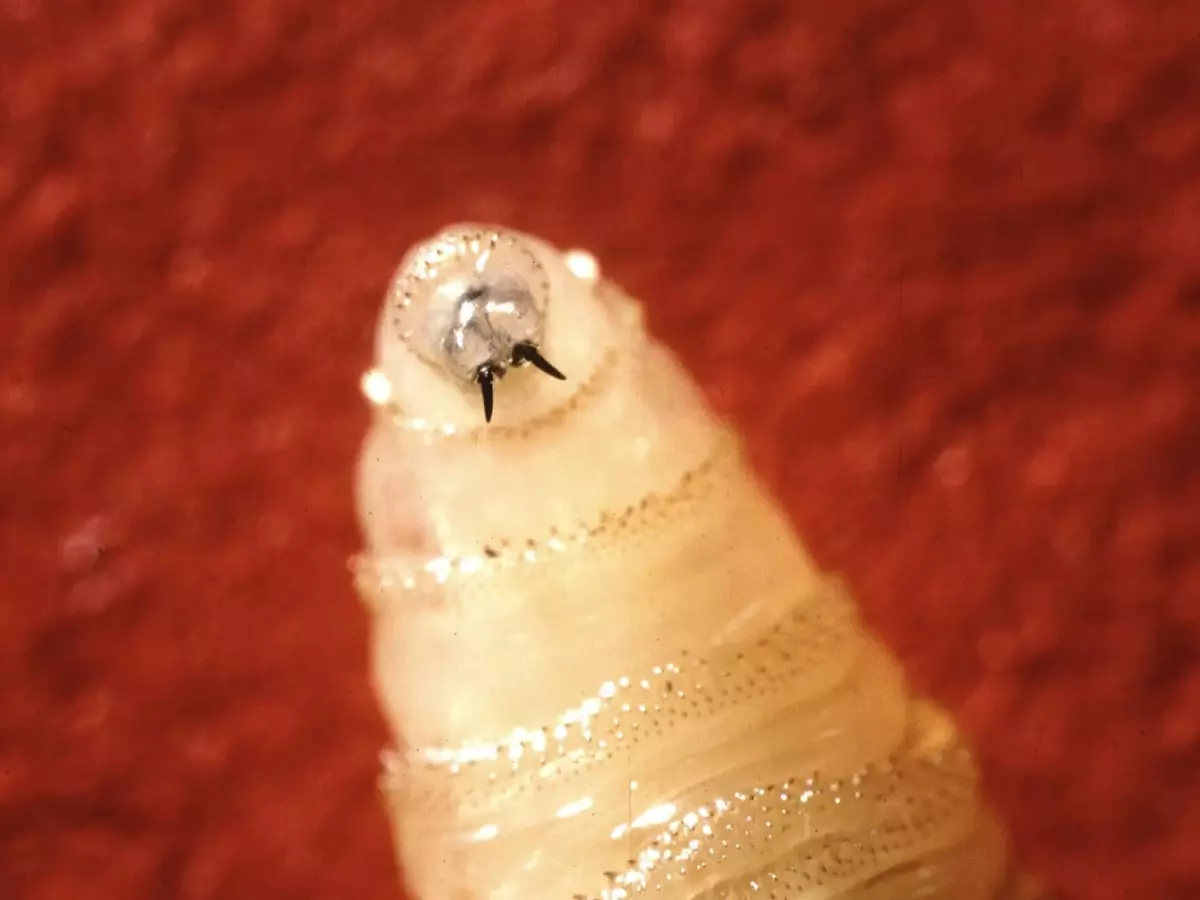
Screwworms are parasitic flies with a particularly gruesome life cycle. Females lay their eggs in open wounds and mucous membranes on warm-blooded animals. Once those eggs hatch, hundreds of larvae use sharp mouths to burrow into living flesh, and without treatment, they can eventually kill the host.
While the parasite can infest people and pets, the threat to humans remains low and human cases are uncommon. Officials also stress that the fly poses no food safety risk.
The Response Underway
Because infested animals moving from place to place are the primary way the parasite spreads, the USDA and Texas officials are setting up a 20km (12.4-mile) detection and quarantine zone around the affected area.
A central part of the strategy involves releasing millions of sterile screwworm flies. The approach exploits a quirk of the species: females mate only once in their lifetime. Any eggs they produce after pairing with a sterile male go unfertilized and never hatch, gradually collapsing the population.
The USDA says its preparations have already paid off, estimating that its efforts delayed the parasite’s arrival by about a year. Agriculture Secretary Brooke Rollins reassured ranchers that department personnel have arrived in South Texas to assist with operations, and she urged livestock producers to stay alert for signs of infestation.
Criticism of the Federal Approach
Not everyone is satisfied with how the situation has been handled. Texas Agriculture Commissioner Sid Miller has been pointedly critical of the federal effort, arguing that the USDA acted too slowly and leaned on a partial fix that takes years to fully roll out. He was referring specifically to the sterile fly program, suggesting that officials should have deployed a broader range of tools to confront the threat more aggressively.
Author