The California slow ballot count is once again at the center of a political storm, with results from this week’s primary still trickling in days after polls closed. Voters remain in limbo over marquee contests, including the races for governor and Los Angeles mayor, along with several tightly contested congressional seats. For California, this waiting game is entirely routine, but that hasn’t stopped it from becoming a lightning rod for accusations of fraud.
A Familiar Delay Meets Familiar Complaints
Anyone who follows California elections knows the state often takes days, and sometimes weeks, to finish tallying its votes. Equally predictable is President Donald Trump’s frustration with the pace, paired with allegations of cheating, a complaint he has aired many times before.
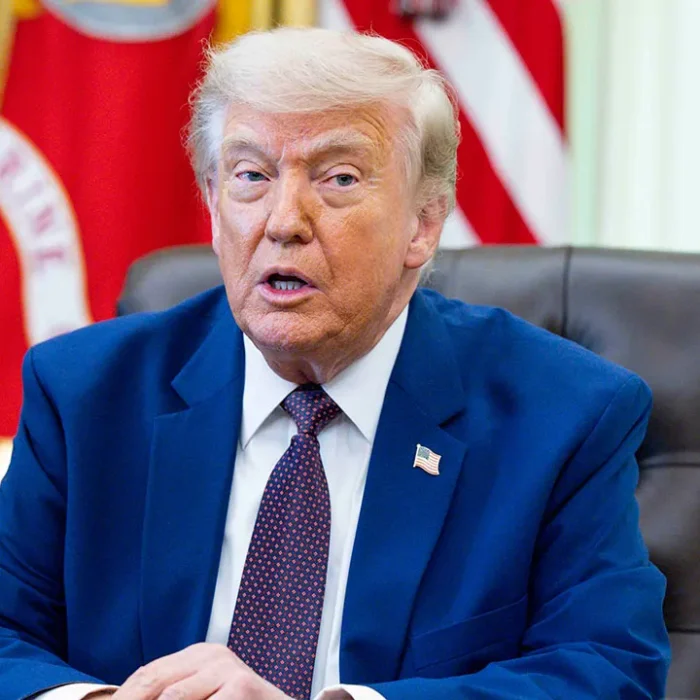
What set this round apart was Trump’s announcement that his Department of Justice was looking into the count, punctuated by a social media post demanding to know the reason for the delay. He suggested that California Democrats were rigging the outcome to push two candidates he favors out of contention: Republican Steve Hilton in the governor’s race and Spencer Pratt in the nonpartisan mayoral contest. Speaking to reporters in the Oval Office, he flatly accused the state of rigging the election.
The pushback came quickly. Democratic Governor Gavin Newsom’s office shared a CNN clip explaining how the nation’s most populous state deliberately favors accuracy and accessibility over speed, and added that they too wished the votes could be counted faster. The U.S. Attorney’s Office in Los Angeles declined to say whether any investigation was actually underway.
Why the Count Takes So Long
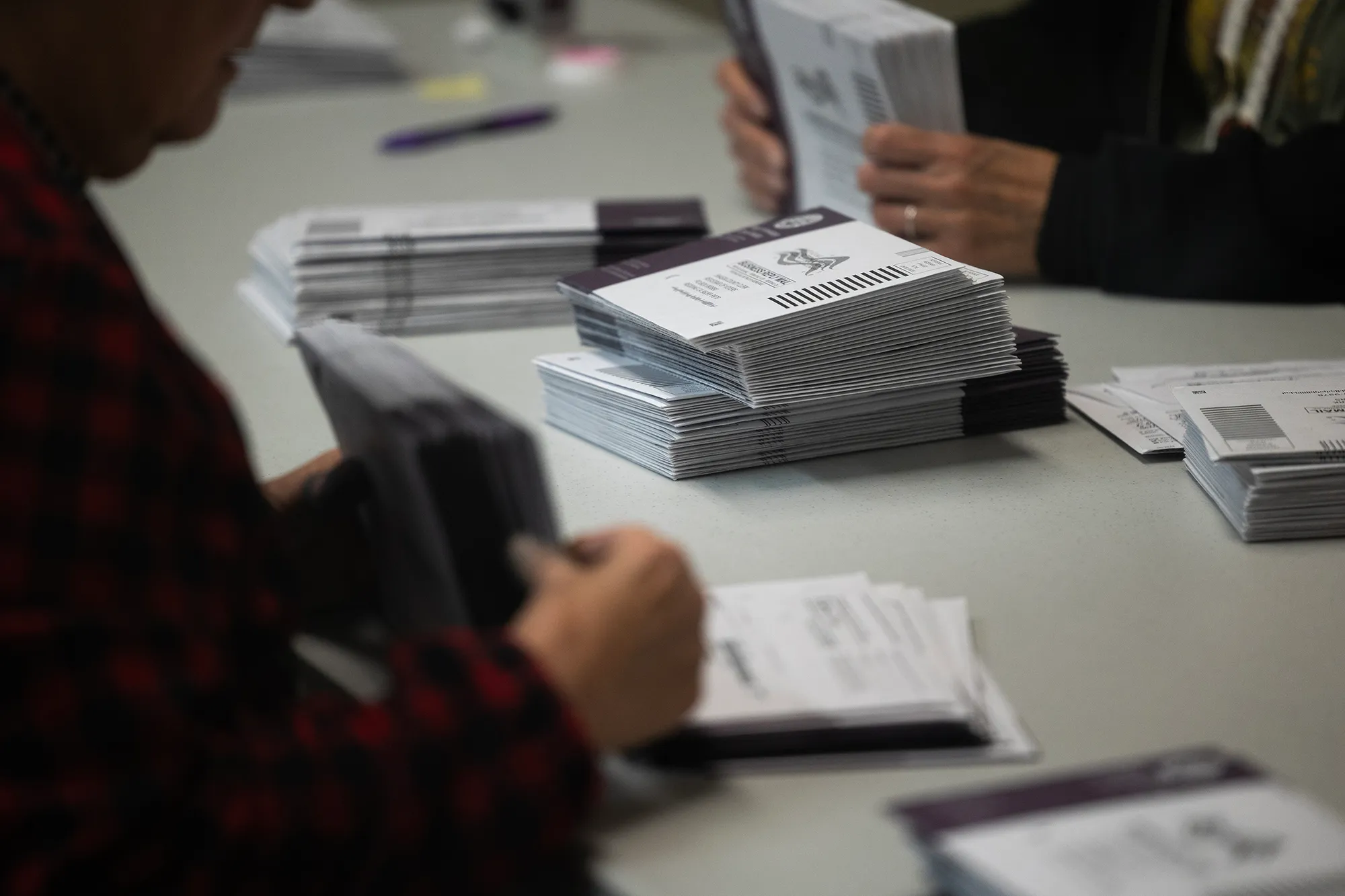
The lengthy count isn’t an accident or a sign of mischief. It is essentially built into California law. The state mails ballots to every eligible voter, roughly 23 million of them, and allows generous rules for returning them. A ballot counts as long as it is postmarked by Election Day and reaches an election office within seven days.
That structure creates unavoidable delays. Several steps stretch the timeline:
- Election workers can only begin verifying late-arriving mail ballots after polls close, often working through the night and beyond.
- Each ballot envelope’s signature must be checked against records on file.
- When a signature doesn’t match, officials are required to give the voter a chance to come in and confirm their identity so the vote still counts.
Last year, Newsom signed a law tightening the deadline, requiring counts to wrap within 13 days rather than the previous 30. Counties seeking more time must explain the holdup to the Secretary of State’s office.
Even voices critical of California’s system have rejected the fraud framing. Stephen Richer, a former Republican election official in Arizona, acknowledged he dislikes how the state runs its elections but stressed that disliking the process does not make it fraudulent. State Assemblymember Marc Berman, the Democrat who authored the law to speed up counting, called Trump’s claims disappointing and a lie, arguing the real goal is to erode public trust and justify restrictive voting policies.
Notably, even Hilton, the candidate Trump claims is being cheated, said his campaign had seen nothing suggesting it would need to go to court. He encouraged supporters to use the very ballot-fixing process that contributes to the delays.
Why Democrats Are Driving the Slowdown This Year
This particular count may stretch longer than usual, and the reason has little to do with foul play. UCLA law professor Rick Hasen pointed out that Democrats have been unusually slow to return their ballots this cycle.
The dynamic ties directly to California’s top-two primary, in which the two highest finishers advance regardless of party. With a crowded and shifting governor’s race, many Democratic voters apparently held onto their ballots until the last moment, waiting to see which of their candidates was pulling ahead. Democrats had also worried for months that fielding too many candidates could split their vote and hand both top spots to Republicans. That late surge of ballots all but guarantees a slower finish.
Secretary of State Shirley Weber reinforced the state’s stance, saying the priority is getting the tally right. Accuracy, she emphasized, comes before speed.
The Stakes of the Uncounted Ballots
Although millions of votes have already been tabulated, it’s the outstanding ones that matter most in close races. Despite being a heavily Democratic state, California has produced some of the country’s tightest congressional contests, occasionally decided by just a few hundred votes. In 2024, one House race wasn’t even called until December.
Primaries add another layer of complexity. The outcome hinges not only on who finishes first but also on who lands in second, since both advance. Determining that often requires counting nearly every ballot.
How the Count Feeds Conspiracy Theories
There’s a predictable pattern that fuels suspicion. As late mail ballots get counted, results tend to drift more Democratic. That happens because Republicans are more likely to vote early or in person on Election Day, so their ballots are tallied first. The gradual blue shift, though entirely explainable, has become fertile ground for conspiracy theories.
Republican grievances about California’s count are long-standing, even though the GOP performed well in the state’s close House races in 2024. The Republican National Committee has challenged the legality of counting mail ballots that arrive after Election Day in other states, and the U.S. Supreme Court is expected to weigh in on the matter this month.
Still, frustration with the slow count isn’t purely partisan. Voting advocates have pressed lawmakers to better fund local election offices so they can process the flood of late ballots more quickly. As Hasen put it, the legislature needs to commit far more money if it wants faster results. Until then, California’s deliberate, accuracy-first approach will keep producing slow counts, and with them, an opening for those eager to cast doubt on the results.
Author