The Georgia governor race delivered a stunning lesson this week: even a presidential endorsement has its limits when it collides with an ocean of personal wealth. In a contest that captured national attention, Republican voters showed that money — lots of it — can sometimes outmuscle the most powerful political brand in the party.
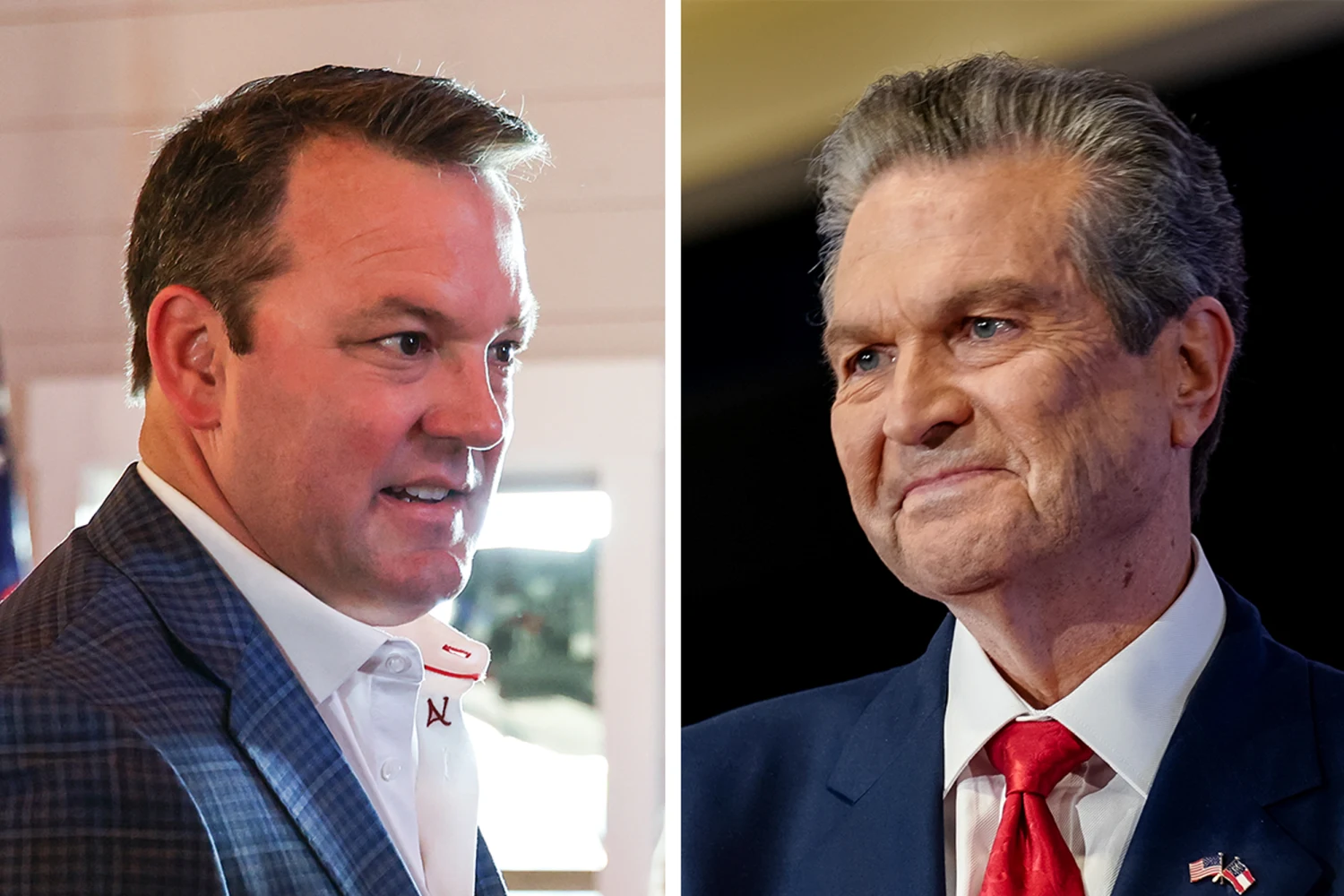
Health care executive Rick Jackson came out on top in Georgia’s GOP gubernatorial primary on Tuesday, toppling Lt. Gov. Burt Jones despite Jones carrying the backing of President Donald Trump. The deciding factor? More than $100 million of Jackson’s own fortune poured into the campaign.
A Costly Win That Shook the Establishment
Jackson didn’t just win — he steamrolled the Republican establishment in the process. By tapping into his personal fortune, he financed one of the most expensive primary efforts the state has ever seen, and the strategy delivered exactly what he hoped for.
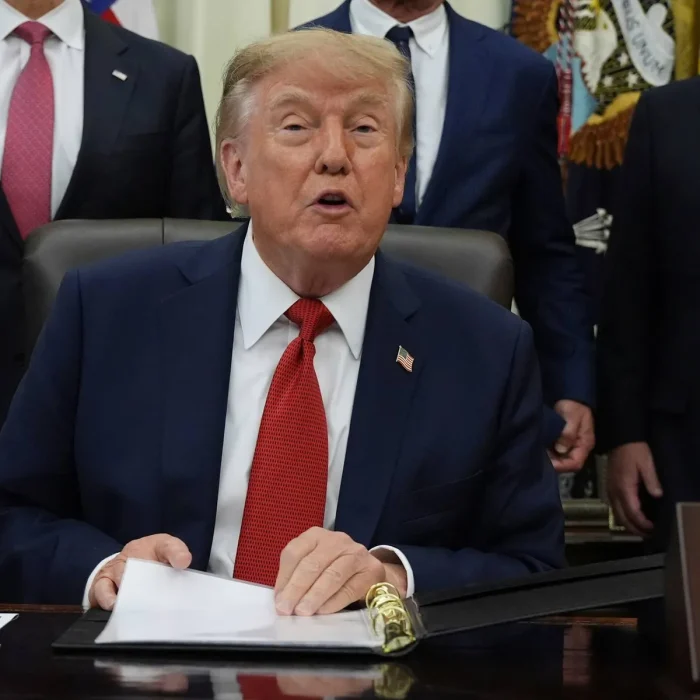
For Trump, the outcome stings. Georgia is one of the country’s most closely watched battleground states, and seeing his chosen candidate fall short is a significant setback. It also echoes a pattern from 2022, when several Trump-endorsed contenders either stumbled in their primaries or lost in the general election.
The defeat wasn’t Trump’s alone to absorb. Republican Gov. Brian Kemp, who had stayed quiet for much of the race, finally stepped in to endorse Jones just before primary day. That late bet didn’t pay off either, making the loss a rare misstep for a governor known for his political instincts.
What stands out most is that the combined clout of both Trump and Kemp still couldn’t blunt the sheer force of Jackson’s spending.
Building a Coalition Beyond the Cash
While money fueled Jackson’s campaign, he wasn’t relying on his checkbook alone. He managed to pull together an impressive roster of supporters from inside Georgia and across the national stage.
One notable backer was Attorney General Chris Carr, a former competitor in the race. After finishing last in May’s primary, Carr threw his weight behind Jackson rather than the Trump-endorsed alternative. Jackson also picked up endorsements from two prominent Republican senators:
- Ted Cruz of Texas, who appeared alongside Jackson at a rally the night before the runoff
- Rick Scott of Florida, who lent his support ahead of the decisive vote
That mix of establishment defectors and national figures gave Jackson momentum that complemented his financial firepower.
Drowning Out the Competition
Jackson’s spending didn’t just shape the governor’s contest — it reshaped the entire Republican landscape in Georgia. GOP strategists noted that his relentless wave of advertising essentially absorbed all the available attention, leaving other Republicans struggling to make their voices heard.
Candidates running for offices up and down the ballot found it harder to break through the noise. When one campaign blankets the airwaves so completely, everyone else gets pushed into the background. In effect, Jackson’s millions didn’t just buy him a victory; they crowded out the field.
From Foster Care to the Governor’s Mansion Bid
Jackson’s personal story adds another layer to his unlikely rise. A Georgia native now in his seventies, he frequently speaks about growing up in the foster care system, moving from place to place as a child without a stable home.
He eventually built substantial wealth in the health care sector, and this primary marked his very first attempt at running for public office. For a political newcomer to win a high-stakes gubernatorial nomination on the first try is rare — and doing so by defeating a Trump-backed opponent makes it all the more remarkable.
Navigating the Trump Loyalty Test
Jackson’s path wasn’t without friction. Throughout the primary, the most conservative wing of Georgia’s Republican Party questioned his loyalty to Trump. Their main concern stemmed from his earlier financial support for former Rep. Liz Cheney of Wyoming, a figure deeply at odds with the president.
Jackson worked to repair that image. He later contributed $1 million to one of Trump’s leading super PACs — though critics were quick to point out the donation only came after Trump had already secured his 2024 win.
Despite the skepticism, Jackson leaned hard into a pro-Trump persona on the campaign trail. He repeatedly told voters he intended to be the president’s “favorite governor” and raised doubts about Georgia’s 2020 election results, even though those outcomes had been examined and upheld through extensive legal review.
What Comes Next
The general election now sets up a high-profile clash. In November, Jackson will square off against Democrat Keisha Lance Bottoms, the former mayor of Atlanta. Bottoms has already launched her campaign, appearing alongside Sen. Jon Ossoff as she gears up for the fall showdown.
The matchup promises to be one of the most closely watched governor’s races in the country. On one side stands a self-funded political outsider who muscled past his party’s establishment. On the other is an experienced Democratic figure with deep roots in Georgia’s largest city.
The Bigger Takeaway
Jackson’s victory raises a question that will linger well beyond this single contest: How much can money reshape modern politics? His win suggests that, under the right conditions, a determined candidate with enough resources can override even the most influential endorsements.
For Trump, it’s a reminder that his backing — while still powerful — isn’t guaranteed to carry a candidate across the finish line. For Republicans nationwide, the Georgia governor race offers a case study in how personal wealth can rewrite the rules of a primary.
Whether Jackson’s spending advantage translates into success this November remains to be seen. But for now, his improbable journey from the foster care system to the brink of Georgia’s highest office stands as one of the most surprising political stories of the year.
Author