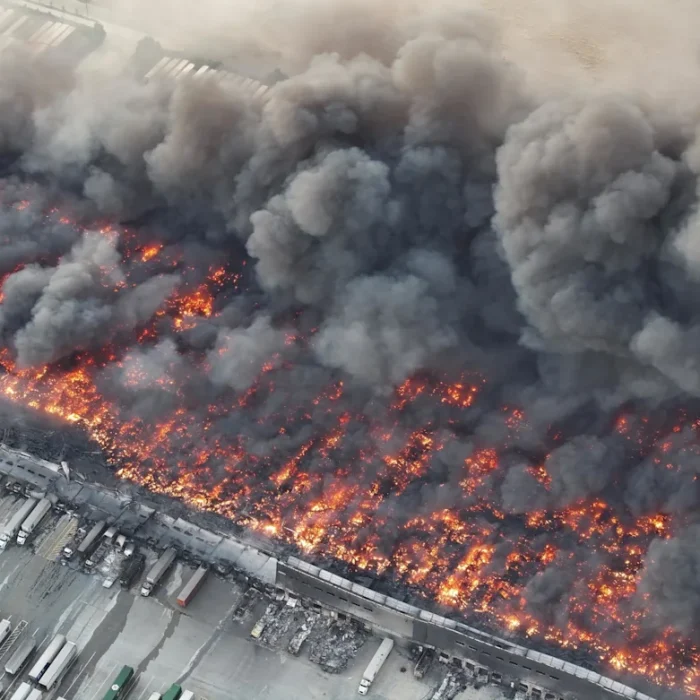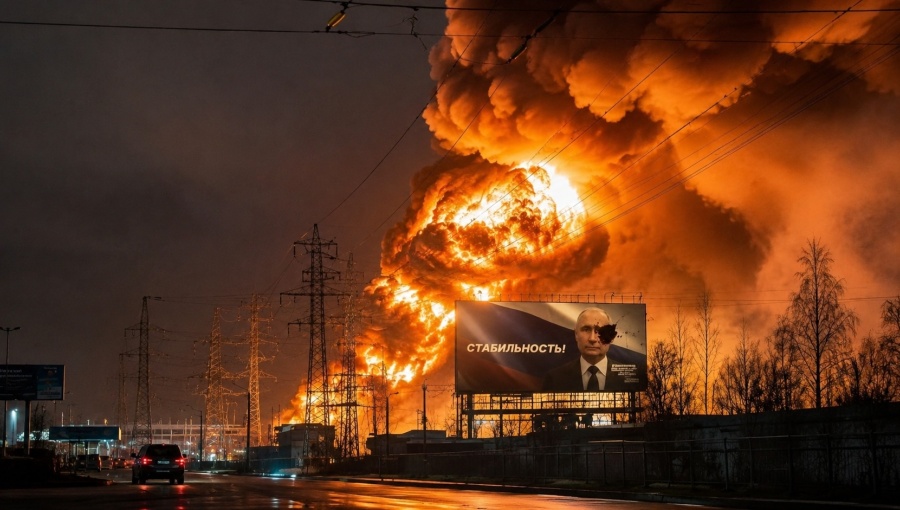
The Russia gasoline import shortage has reached a remarkable turning point, with Moscow now preparing to import fuel by sea, a striking reversal for one of the world’s largest oil exporters. The unusual move comes as relentless Ukrainian drone strikes on Russian refineries strain domestic supplies and push the country toward a looming fuel crisis.
A Rare and Telling Reversal
For a nation that has long dominated global energy exports, importing gasoline is almost unthinkable. Yet that is precisely what Russia is now doing.
According to four industry sources, Russia is expected to receive a cargo of gasoline through one of its western ports in June. One source revealed that the shipment will come from Asia, though specific details about volumes and suppliers were not disclosed.
The significance of this step cannot be overstated. It signals just how much pressure Russia’s fuel supply chain is currently under.
Why Now?
The decision marks a clear departure from previous years.
One source noted that Russia had considered importing fuel by sea last year as well, but ultimately decided against it because domestic supply proved sufficient at the time. This year, however, the situation has shifted dramatically.
The key difference lies in the sustained damage inflicted on Russia’s energy infrastructure.
The Drone Campaign Behind the Crisis
At the heart of the shortage is Ukraine’s persistent campaign targeting Russian energy facilities.
For months, Ukrainian drone attacks have struck refineries, pipelines, and fuel storage sites across Russia. The strategy is deliberate: by crippling these facilities, Ukraine aims to undermine Moscow’s ability to finance its war effort.
Some of the most recent and damaging strikes include:
- An attack on the TANECO refinery
- A strike on the Moscow refinery
Both incidents led to the suspension of processing operations at the affected plants, further tightening fuel availability across the country.
Shortages Spreading Across Regions
The effects of these disruptions are now being felt widely.
Media reports indicate fuel shortages in around a dozen Russian regions, according to data compiled by Reuters. Among them, Russian-held Crimea and two regions in Siberia have officially confirmed that they are experiencing shortages.
This geographic spread underscores how the crisis is reaching beyond isolated areas and into multiple corners of the country.
Government Steps to Contain the Damage
In response, Moscow has taken several measures to manage the situation.
One of the most significant moves was a ban on gasoline exports for producers until the end of July. The goal is to maximize domestic supplies during the summer months, when driving demand traditionally peaks.
Beyond restricting exports, Russia has also turned to its neighbors for help, including:
- Importing fuel from neighboring Belarus to ease shortages
- Previously sourcing small volumes from Kazakhstan
However, these options have clear limits.
The Limits of Regional Support
Relying on neighboring countries may not be enough to weather a deeper crisis.
According to the sources, neither Belarus nor Kazakhstan possesses sufficient spare capacity to support Russia if the supply situation worsens significantly. This lack of regional backup is part of what has pushed Moscow toward the unusual step of seaborne imports.
Even so, the imports themselves may offer only limited relief. One source cautioned that seaborne deliveries are likely a temporary measure, unlikely to provide substantial volumes due to logistical challenges and high costs.
A Notable Shift for a Major Exporter
The contrast between Russia’s export power and its current predicament is stark.
Industry sources note that Russia exported nearly 5 million metric tons of gasoline last year, equivalent to roughly 117,000 barrels per day. For a country accustomed to supplying fuel to the world, the need to import even modest quantities highlights the severity of the disruption.
Notably, Russia’s Energy Ministry did not respond to a request for comment, and the sources spoke on condition of anonymity, as they were not authorized to discuss the matter publicly.
The Bottom Line
The Russia gasoline import shortage represents far more than a logistical inconvenience, it is a visible symptom of the mounting strain Ukraine’s drone campaign is placing on Russia’s war economy. By targeting the refineries and infrastructure that keep fuel flowing, Ukraine has managed to force one of the world’s energy giants into an uncomfortable and revealing position.
While seaborne imports, export bans, and regional support may provide temporary relief, the underlying vulnerability remains. As long as attacks on energy facilities continue, Russia may find itself repeatedly scrambling to keep its own tanks full, a challenge that could carry significant implications for both its domestic stability and its broader war effort.
Author