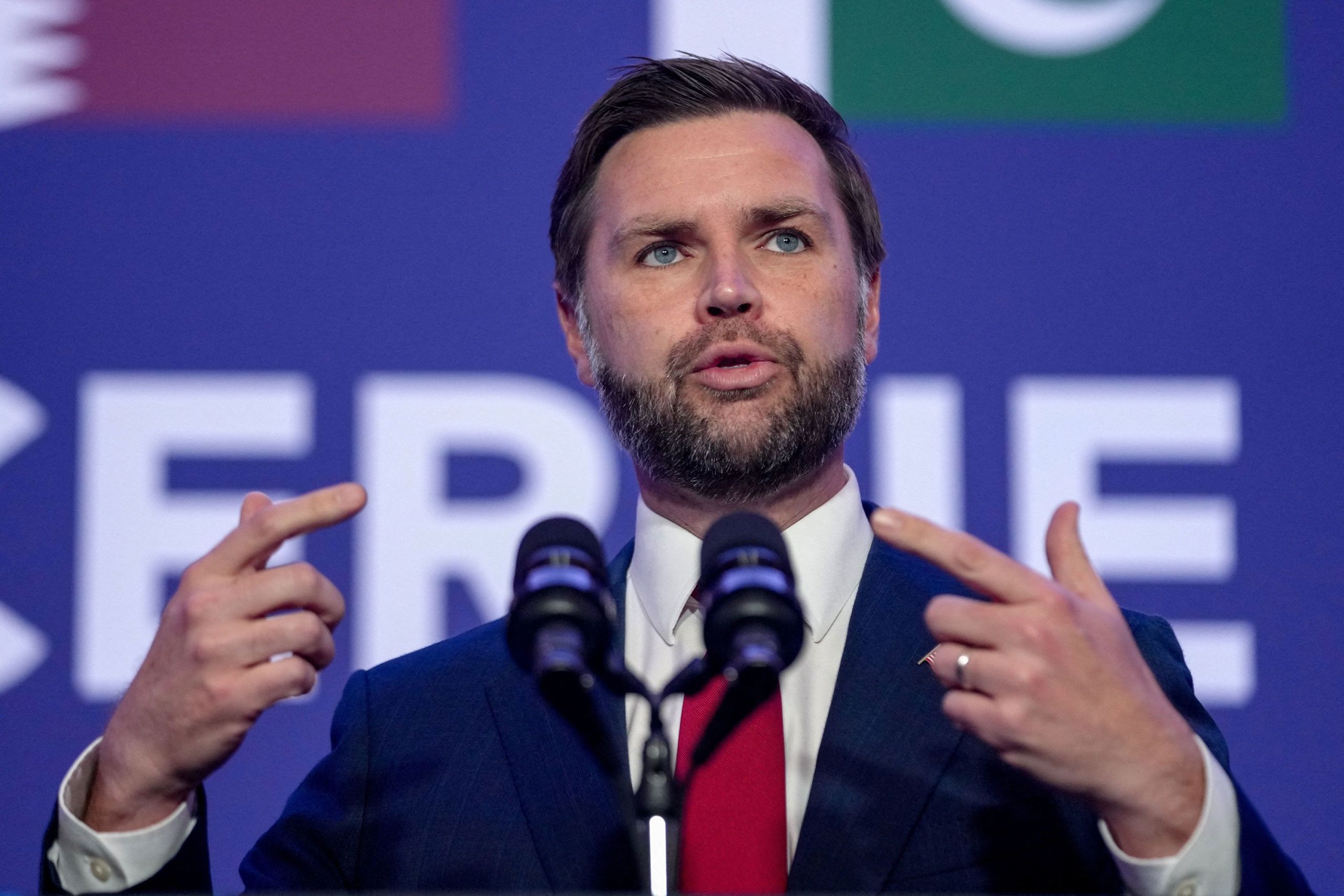
The latest round of U.S.-Iran talks wrapped up on what Vice President JD Vance described as a strongly positive note, with Tehran reportedly agreeing to let international nuclear inspectors back into the country. Speaking in Switzerland after the first day of negotiations, Vance called it a “very, very good day” and pointed to several areas of progress, even as Iranian officials offered a more cautious read on where things actually stand. Ynetnews
The discussions, held near Lake Lucerne, represent an early attempt to build on a memorandum of understanding signed last week. While both sides signaled movement, the gap between American optimism and Iranian restraint suggests there’s still a long road ahead.
A Promising First Day, With Caveats
Vance struck a confident tone as he addressed reporters, saying the U.S. team had accomplished four key objectives during the opening session. According to Vance, those included securing Iran’s agreement to readmit nuclear inspectors, establishing a mechanism to keep the Strait of Hormuz open, building a deconfliction process for the regional ceasefire involving Lebanon, and laying the groundwork for future negotiations.
He framed the day’s results as a foundation rather than a finished product. “We laid a very good foundation for a successful final deal,” Vance said, comparing the eventual agreement to a house whose base has been set but whose structure still needs to be built. The Times of Israel
Iran, however, was quick to temper expectations. Foreign ministry spokesman Esmaeil Baqaei said that while there had been a very brief discussion on the nuclear topic, no details were addressed and it could not be said that negotiations on the nuclear issue had actually begun. That mismatch in messaging underscores how fragile the early progress remains. CBS News
The Return of Nuclear Inspectors
The most closely watched development was Iran’s reported willingness to welcome back inspectors from the International Atomic Energy Agency. Vance described it as the part of the deal Americans should be most excited about, calling it a major milestone and a first step toward permanently ending a nuclear weapons program in Iran. The Times of Israel
This would restore a safeguard that existed under the earlier nuclear agreement negotiated during the Obama administration, which President Trump later abandoned. The last such inspection visit took place before the war in June 2025, and the IAEA has accused Iran of obstructing inspections and failing to fully account for its highly enriched uranium stockpile. Axios
Vance suggested coordination on the inspections could begin almost immediately, possibly within the same week. Still, he offered no specifics about the level of access inspectors would receive, and Iran had not publicly confirmed the arrangement.
Keeping the Strait of Hormuz Open
Another major focus was the Strait of Hormuz, the critical waterway through which much of the world’s oil and natural gas flows. Mediators said both sides agreed to set up a direct line of communication aimed at avoiding incidents and miscommunication in the strait, helping ensure that commercial vessels can pass through safely. CBS News
Vance noted that the waterway remains open and that energy shipments are continuing without interruption. The goal of the new mechanism, he explained, is to create coordination procedures that prevent escalation during any incidents at sea.
The issue is significant enough that Iran’s top negotiator, Mohammad Baqer Qalibaf, traveled from Tehran to Muscat, Oman, on Monday to discuss management of the strait. According to a post on his Telegram channel, Qalibaf planned to meet Oman’s sultan and prime minister, Haitham bin Tariq, to strengthen cooperation and reinforce Iranian arrangements for the waterway. Foreign Minister Abbas Araghchi accompanied him on the trip.
A “Deconfliction Cell” for Lebanon
Beyond the nuclear file and the strait, the negotiations touched on the volatile situation in Lebanon. Iran, the United States, and Lebanon reportedly agreed to create what officials called a “deconfliction cell” intended to uphold the ceasefire across all fronts laid out in the broader agreement.
Vance explained the reasoning behind it plainly, noting that if Hezbollah fires at Israel or Israel responds, the parties need a way to communicate directly and figure out how to stop the shooting. He acknowledged criticism that parts of the mechanism were developed without direct Israeli involvement but insisted the overall aim is de-escalation and regional stability.
Iran’s foreign minister framed this element as especially important, describing it as the first real test of whether the negotiations can hold.
What Happens Next
Even with the upbeat framing, Vance was candid that significant work remains. He confirmed that while he and other senior officials would return to the U.S., technical teams would stay behind in Switzerland to continue the negotiations in the days and weeks ahead.
A few threads are worth watching as the process moves forward:
- Whether IAEA inspectors actually gain access to Iran’s nuclear sites and on what terms.
- How the Strait of Hormuz communication line functions in practice if tensions rise.
- Whether the Lebanon deconfliction mechanism succeeds in preventing renewed fighting.
- How frozen Iranian funds are handled, with Vance noting the parties agreed on a mechanism for spending such money on the needs of the Iranian people, including purchases like American soybeans.
Rubio to Visit Gulf Allies
The diplomacy is set to extend beyond Switzerland. Secretary of State Marco Rubio is scheduled to visit several U.S.-allied Gulf nations this week that endured Iranian missile and drone attacks during the recent fighting.
Rubio is expected to travel to the United Arab Emirates, Kuwait, and Bahrain between Tuesday and Thursday to discuss the memorandum of understanding signed by Trump and his Iranian counterpart, along with efforts to guarantee safe transit through the Strait of Hormuz and broader regional stability, according to State Department spokesperson Tommy Pigott.
The stakes for these countries are deeply personal. Six American service members were killed in an Iranian drone strike in Kuwait in March, and the U.S. Embassy in Kuwait City remains closed with operations suspended.
A Foundation, Not a Finish Line
For now, the first day of talks has produced cautious momentum rather than a breakthrough. The American side is emphasizing progress while Iran is careful not to overstate what has been agreed, a dynamic that captures the uncertainty surrounding these U.S.-Iran talks.
Given how difficult it was just to reach the initial memorandum of understanding, and the delays caused by fighting in Lebanon, a final nuclear deal is far from guaranteed. Whether this foundation can support the larger structure both sides claim to want will become clearer as technical negotiators continue their work in the days ahead.
This is a developing diplomatic story, and details may shift as both governments release further statements.
Author